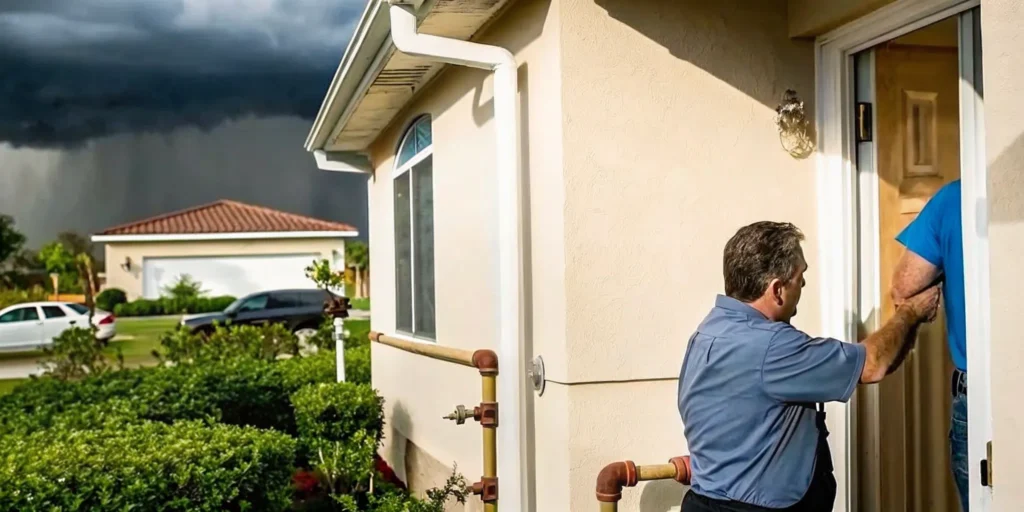
When storm clouds gather over Southwest Florida, most homeowners focus on boarding up windows and stockpiling bottled water, but neglecting your home plumbing system can lead to severe and costly property damage during a major storm. In Florida, hurricane season plumbing preparation is just as critical as protecting your roof or windows. From high winds shifting outdoor fixtures to municipal sewer systems backing up, the unique climate challenges of Lee County demand a proactive approach to protecting your property’s water and drainage lines.
Need immediate help securing your home plumbing before a major storm? Call Whiskey Creek Plumbing today at (239) 785-9022 to schedule a fixed-price plumbing system inspection with our Southwest Florida experts.
Why Hurricane Season Is Hard on Florida Plumbing
Southwest Florida is famous for its beautiful summers, but June through November brings a dramatic shift in weather patterns that puts immense pressure on residential utilities. Understanding why storm season is particularly brutal on home infrastructure is the first step in effective plumbing preparation.
During a hurricane or tropical storm, several unique phenomena occur simultaneously:
- Saturated Soils and Shifting Pipes: Weeks of heavy daily rain saturate the sandy Florida soil. When the ground becomes waterlogged, underground water and sewer lines lose their stable foundation. The weight of saturated earth combined with high wind vibrations can cause pipes to shift, crack, or completely separate.
- Tree Root Intrusion: High storm winds rock large oak and palm trees back and forth. This movement destabilizes underground root networks, which can compress or puncture nearby sewer lines. If you already have minor root intrusion, storm vibrations can quickly turn a small crack into a major sewer line collapse.
- Municipal Sewer Overload: Torrential rainfall and storm surges overwhelm municipal wastewater plants and storm sewers in Fort Myers and Cape Coral. When municipal systems reach capacity, excess water has nowhere to go but backward. Without proper backflow prevention, this wastewater can backup directly into your home toilets and drains.
- Electrical Outages and Pump Failures: Power outages are practically guaranteed during a major storm. If your home relies on a well pump or a sump pump to manage high water tables, a loss of electricity will render these systems useless, quickly leading to flooded crawlspaces or a complete lack of fresh water.
For extensive details on maintaining your home pipe network against environmental stress, read our comprehensive water pipe maintenance basics guide to keep your system in top condition year-round.
Pre-Storm Plumbing Checklist for Fort Myers Homeowners
Do not wait until a storm is named to start thinking about your pipes. Implementing a structured checklist weeks before a tropical system threatens Lee County is the best way to safeguard your property. As a family-owned local business, we recommend running through these essential tasks every year in May or June.
1. Inspect and Clear All Outdoor Drains
Your property’s drainage network is its first line of defense against flooding. Clear away leaves, grass clippings, mulch, and debris from any yard grates, gutter downspout exits, and driveway drains. If water cannot flow freely away from your foundation, it will collect around your home, putting immense pressure on your foundation and low-lying plumbing entry points.
2. Test Your Sewer Cleanout
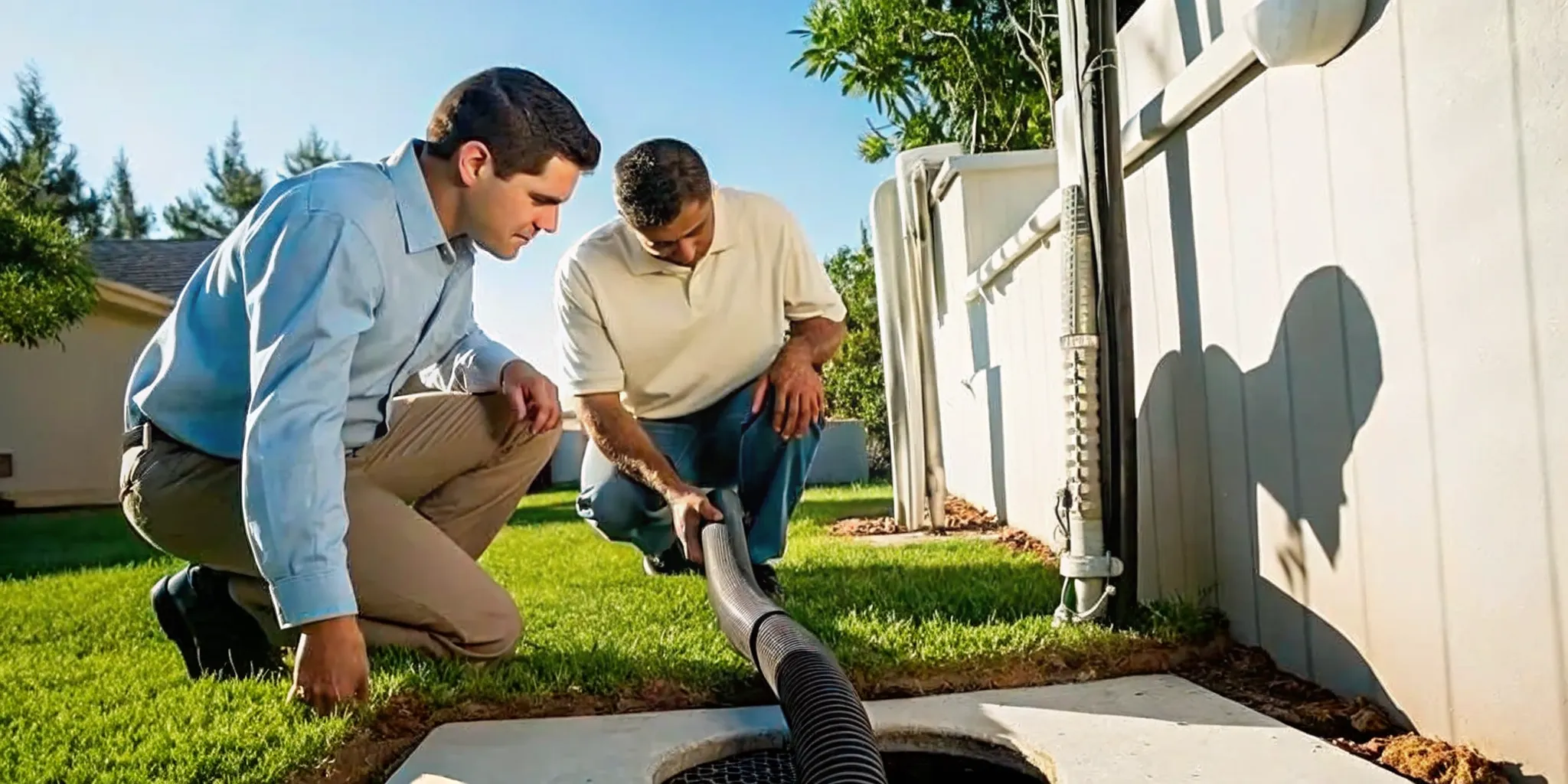
Locate your sewer cleanout cap, which is typically a white plastic pipe extending slightly above the grass in your yard. Ensure the cap is threaded securely and undamaged. A loose cleanout cap allows storm debris, sand, and floodwaters to pour directly into your private sewer line, accelerating blockages and overloading your home’s main drain.
3. Protect Your Water Heater
Your water heater is one of the most expensive plumbing appliances in your home. If a hurricane threatens to bring flooding to your area, take steps to protect the electrical components. For traditional tank systems, turn off the dedicated circuit breaker at your electrical panel. If you have a premium tankless system, unplug it from the outlet and wrap the unit securely in plastic sheeting if it is located in an area vulnerable to wind-driven rain or rising waters.
If you suspect your water heater has existing issues before storm season begins, consult our guide on a water heater repair guide or check out our water heater installation cost guide to explore modern, durable options with flat-rate quotes.
4. Test Sump Pumps and Well Pumps
If your home has a basement, crawlspace, or relies on a well system, check that your pumps are operating perfectly. Pour water into your sump pit to ensure the float switch activates the pump. Because power outages are common during hurricanes, consider investing in a high-quality battery backup system or a generator capable of running your pumps when the main electrical grid goes dark.
How to Shut Off Your Water During a Mandatory Evacuation
If local authorities issue an evacuation order for Fort Myers, Cape Coral, Sanibel, or surrounding coastal areas, shutting off your main water valve is one of the most important protective steps you can take before leaving your home.
If a major storm damages municipal water mains, pressure can drop rapidly, allowing bacteria and soil to enter the public drinking water system. More importantly, if high winds or falling debris damage the piping inside your home while you are away, a pressurized water system will continuously flood your house until the water is shut off. Turning off the water at the main valve prevents this nightmare scenario entirely.
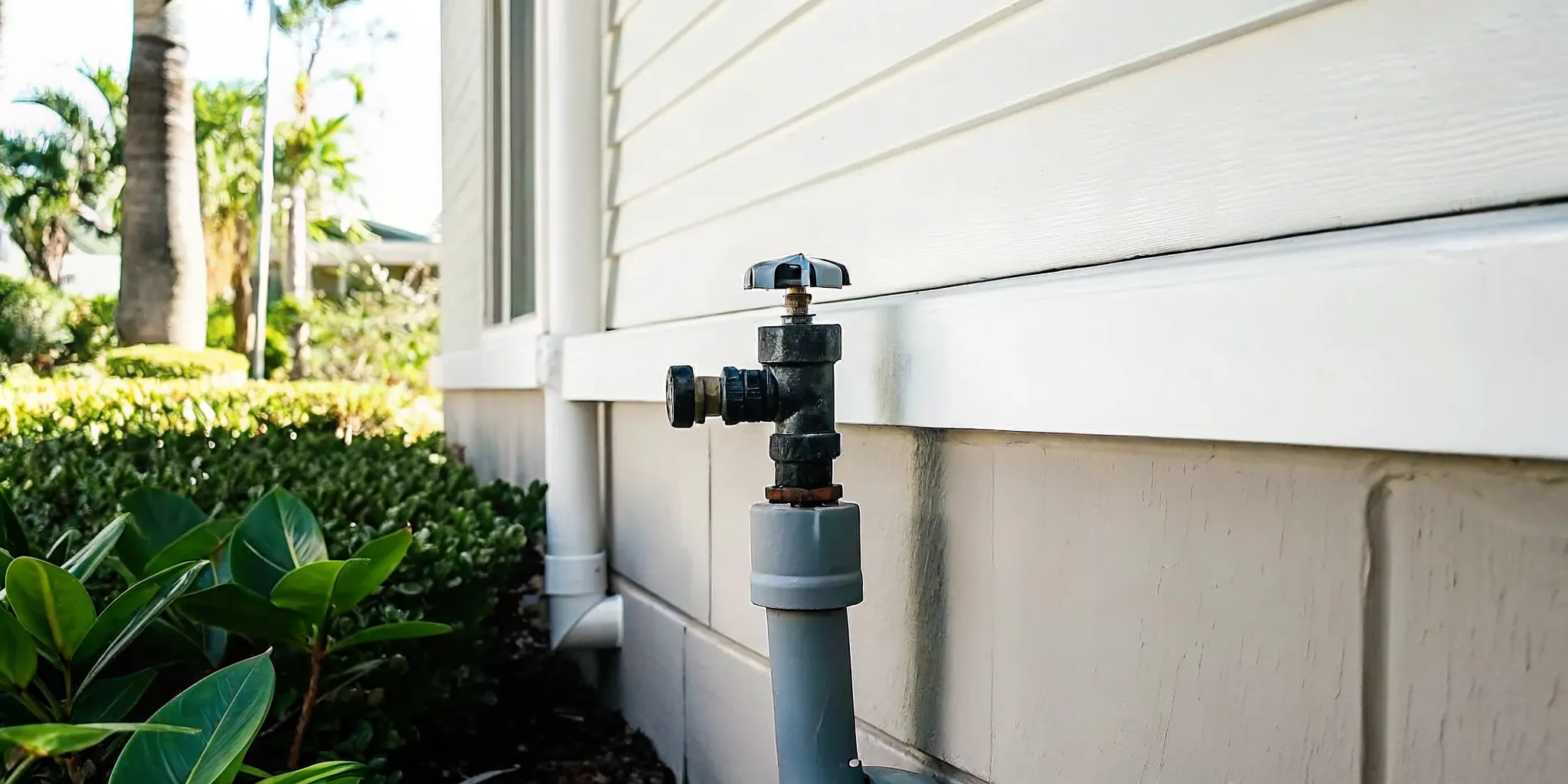
Follow these steps to safely shut off your home water main:
- Locate the Main Valve: The main shutoff valve is typically located on the exterior wall of your home, close to where the main water line enters the structure. It is often near an outdoor hose bib. In some homes, it may be located in a valve box near the street curb.
- Identify the Valve Type: You will generally find either a gate valve or a ball valve. A gate valve has a round dial handle that must be turned clockwise until it stops. A ball valve has a single lever handle that must be turned 90 degrees so that the lever is perpendicular to the pipe.
- Test the Valve: Try turning the valve gently. Over time, salt air and mineral deposits in Southwest Florida can cause these valves to seize. If the valve is stuck, do not force it, as you could snap the handle or damage the pipe. Contact a professional plumber to replace the valve before storm season arrives.
- Drain the System: Once the main valve is fully closed, open a hose bib or a faucet inside your home to drain the remaining water from the pipes. This relieves pressure within your home utility network.
- Turn Off the Water Heater: Never leave a water heater running when the water supply is shut off. For electric systems, flip the breaker in your main panel to off. For gas systems, turn the gas valve on the unit to pilot or off. If you have a tankless system, unplug it to prevent damage from power surges.
What to Inspect After a Storm Passes
Once the hurricane passes and it is safe to return to your property, conduct a thorough inspection of your plumbing system before resuming normal water usage. Many post-storm plumbing issues are hidden and can worsen if left unaddressed.
- Check for Low Water Pressure: If municipal water mains are damaged, pressure will be low. Check for local boil water notices before drinking or cooking with tap water. If your neighbors have normal pressure but yours is low, you may have a private leak on your property.
- Examine Exposed Piping: Inspect all outdoor backflow preventers, hose bibs, and pool plumbing lines. Look for cracks, leaks, or loose fittings caused by high winds or falling tree limbs.
- Listen and Look for Water Leaks: Walk around your property and listen for running water. Check your yard for unusually soggy patches of grass, which could indicate an underground water line break. Inside, check walls, ceilings, and floors for discoloration or mold growth, which are classic signs of storm-related leaks. If you suspect an issue, scheduling a professional leak detection inspection is the fastest way to pin down hidden damage without unnecessary wall destruction.
- Test Your Drainage and Fixtures: Flush toilets and run faucets to ensure wastewater is draining smoothly. If drains are slow or bubbling, there may be debris blocking your sewer line, or the municipal sewer system may still be backed up. Avoid using large appliances like washing machines or dishwashers until you are certain your drains are clear.
If you encounter a ruptured water line or severe leak, act fast by following the immediate steps for burst pipes to minimize structural water damage to your residence.
When to Call a Plumber Before or After a Hurricane
Some plumbing tasks are safe DIY projects, but others require professional tools and licensing to guarantee safety. In Florida, plumbing contractors must be certified and fully insured to perform major work. Whiskey Creek Plumbing operates under active Florida License #CFC1431877, giving Southwest Florida homeowners peace of mind that every job is performed to the highest industry standards.
You should call a licensed plumber immediately if you experience any of the following situations:
- Seized Main Shutoff Valve: If you cannot turn your main water valve, do not risk breaking it. We can install a modern, reliable ball valve quickly and affordably.
- Sewer Backup or Bubbling Drains: If wastewater is backing up into your sinks, showers, or toilets, this is a major biohazard that requires professional drain cleaning or sewer pipe camera inspections.
- Soggy Ground or Suspected Slab Leaks: If you suspect an underground line has ruptured due to shifting soil, professional leak detection is required to find the exact location of the break.
- Water Heater Storm Damage: If your water heater was submerged in floodwaters, do not turn the power back on. The electrical or gas components must be professionally inspected, repaired, or replaced to prevent electrical fire or gas leak hazards.
Whether you need a pre-storm system tune-up or urgent post-storm repairs, Whiskey Creek Plumbing is here to support our neighbors across Fort Myers, Cape Coral, Sanibel, and Lee County. We treat every customer like family, providing upfront, fixed-price quotes and backing all of our craftsmanship with a 100% satisfaction guarantee. When you got a leak, call Whiskey Creek!
Contact Whiskey Creek Plumbing today at (239) 785-9022 to schedule your storm preparation plumbing inspection or get reliable, flat-rate help with any post-hurricane plumbing repairs.
Frequently Asked Questions
Should I fill my bathtub with water before a hurricane?
Yes, filling your bathtub with water before a hurricane is an excellent precautionary measure. This water is not for drinking, but it can be used to manually flush your toilets if municipal water services are interrupted. Simply pour a bucket of tub water directly into the toilet bowl to trigger a flush.
How do I prevent sewer backup in my home during a flood?
The most effective way to prevent municipal sewer backup is by installing a sewer backwater valve. This one-way valve allows wastewater to exit your home but automatically seals shut if water attempts to flow backward from the public sewer main. Keeping your sewer cleanout capped tightly also prevents surface floodwaters from overloading your private drain lines.
Is it safe to use my plumbing if municipal water pressure is gone?
If municipal water pressure is lost, your drains and toilets may still function, but you must be extremely cautious. Without water pressure to refill toilet tanks, you will need to manually fill them using stored water. Additionally, follow all local health department guidelines and assume a boil water notice is in effect until authorities declare the water safe.