When you think about your home’s plumbing, the specific material of the pipes probably doesn’t come to mind. Yet, whether you have copper, PEX, or older galvanized steel behind your walls plays a huge role in your water quality, pressure, and the system’s overall lifespan. Choosing the right water pipe is a critical decision when building a new home or planning a renovation. Understanding the differences between these materials can help you make an informed choice that fits your budget and stands up to the unique demands of the Fort Myers climate, ensuring your plumbing system serves you well for decades.
Need a Plumber in Fort Myers?
Whiskey Creek Plumbing has delivered five-star, fixed-price plumbing services to Southwest Florida homeowners and businesses 25 years of experience, proudly serving Lee County and surrounding areas since 2022. No surprises — just guaranteed work.
Locally owned & operated · Fixed-price guarantee · 25 years of experience, proudly serving Lee County and surrounding areas since 2022
Key Takeaways
- Identify Your Pipe Type: Knowing if you have modern PEX, classic copper, or older galvanized steel is the first step to understanding your plumbing’s health and potential lifespan.
- Watch for Red Flags: Don’t ignore signs like low water pressure, discolored water, or a surprisingly high water bill; these are your plumbing’s way of telling you it needs a professional check-up.
- Choose Repair or Replace Wisely: A single, small leak often just needs a repair, but widespread issues like frequent leaks, old pipes, or poor water quality signal it’s time to consider a full replacement to protect your home.
What Are Water Pipes?
It’s easy to take your home’s plumbing for granted. You turn on the faucet, and clean water comes out. But behind your walls is a complex network of water pipes making it all happen. Simply put, a water pipe is any tube designed to transport treated drinking water into and throughout your home. Understanding a little about this system isn’t just for plumbers; it can help you identify potential problems before they turn into major headaches. Let’s walk through the basics of how your plumbing works and the different materials used to keep the water flowing.
How Your Home’s Plumbing Works
Think of your home’s plumbing as two separate but connected systems. The first is the water supply system, which brings fresh, pressurized water into your house from the municipal line or a well. These pipes branch off to deliver water to your faucets, toilets, showers, and appliances. The second is the drain-waste-vent (DWV) system, which uses gravity to carry wastewater and sewage away. Over the years, the materials used for these pipes have changed quite a bit, moving from traditional clay and cast iron to more modern copper and plastics. Each part of this network plays a crucial role in the comfort and safety of your home, which is why our plumbing services focus on keeping it in top shape.
A Look at Common Pipe Materials
When you look under your sink, you’ll likely see one of a few common types of pipes. Today, most homes use a combination of PEX, PVC, and copper. PEX is a flexible plastic tubing often used for water supply lines because it’s affordable and resists corrosion. You’ll typically find white or cream-colored PVC pipes used for drains under sinks and toilets since they are durable and easy to work with. Copper has been a reliable choice for decades, known for its long lifespan of 50 years or more. If you live in an older Fort Myers home, you might still have galvanized steel or cast iron pipes, which are more prone to rust and corrosion over time and may require piping and repiping services.
Exploring Water Pipe Types for Your Home
When you think about your home’s plumbing, the pipes doing all the heavy lifting behind the walls probably don’t come to mind often. But the material they’re made from plays a huge role in your water quality, pressure, and the long-term health of your plumbing system. Whether you’re building a new home, planning a renovation, or dealing with a leak, understanding the different types of pipes can help you make an informed decision. Let’s walk through the most common materials you’ll find in Florida homes.
Copper Pipes
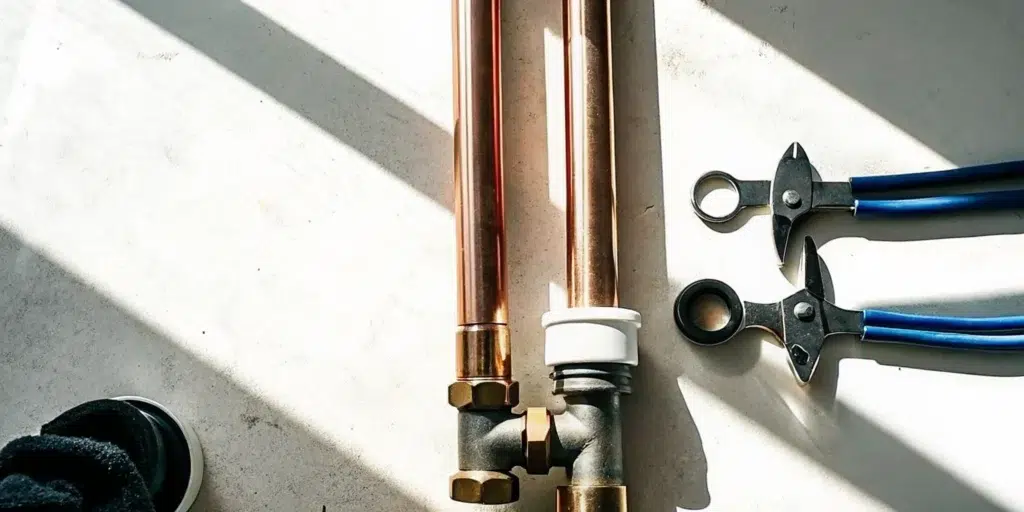
Copper has been the gold standard for plumbing for decades, and for good reason. These pipes are incredibly durable, often lasting more than 50 years, and they are highly resistant to rust and corrosion. This means they do a great job of preserving your water quality over time. Copper can handle high water pressure and is safe for both hot and cold water lines. The main drawback is the cost; copper is the most expensive option. Its rigidity can also make it challenging to install in tight or awkward spaces, requiring more fittings and labor.
PVC Pipes
You’ve likely seen white or gray PVC pipes used for sink, toilet, and shower drains. Polyvinyl chloride (PVC) is a type of plastic pipe that is very durable because it doesn’t rust or corrode. Its smooth interior lining helps prevent clogs and maintain strong water flow. While it’s a great, affordable material for many drainage applications, standard PVC can’t handle hot water, which limits its use. For homeowners looking at their main water supply, it’s important to know that some states have restrictions on its use due to concerns about its chemical composition.
PEX Pipes
Cross-linked polyethylene, or PEX, is a flexible plastic pipe that has become extremely popular for residential water supply lines. Its flexibility makes installation much easier and faster than rigid pipes, especially when navigating corners and tight spaces. PEX is also affordable and resistant to rust and corrosion. You’ll often see it color-coded, with red for hot water and blue for cold, which simplifies the installation process. Because PEX systems use fewer fittings than copper, they can reduce the potential for leaks, making them a reliable choice for a piping and repiping project.
CPVC Pipes
Think of CPVC (chlorinated polyvinyl chloride) as PVC’s tougher sibling. It’s a thermoplastic that can withstand higher temperatures than standard PVC, making it safe for both hot and cold water supply lines. Like PVC, it won’t rust or corrode, offering a long service life. CPVC is more affordable than copper but a bit more expensive than PEX. It provides a reliable middle-ground option for homeowners who want the benefits of a plastic pipe but need something that can handle the heat from a water heater or appliance.
Galvanized Steel Pipes
If your home was built before the 1960s, you might have galvanized steel pipes. These pipes are coated with zinc to prevent rusting, but this coating erodes over time. As they age, galvanized pipes are very prone to rust and corrosion from the inside out. This can lead to low water pressure, discolored water, and even leaks as the pipe walls weaken. While they were once a standard material, they have been almost entirely replaced by copper and PEX in modern construction. If you have galvanized pipes, it’s a good idea to have them inspected by a professional.
Is Your Water Pipe Damaged? Watch for These Signs
Your home’s plumbing system is great at its job, but pipes don’t last forever. Catching a problem early can save you from a major headache and expensive water damage. Luckily, your pipes will often give you a few warning signs when something is wrong. If you notice any of these issues, it’s a good idea to pay attention and call in a professional to take a look.
Dropping Water Pressure
If your morning shower feels more like a gentle sprinkle than a refreshing stream, a drop in water pressure could be the culprit. This is one of the most common signs of a plumbing problem. A sudden decrease can happen when water is escaping through a leak somewhere in the line. It can also be caused by a blockage from mineral buildup or corrosion that is restricting the flow. The American Society of Home Inspectors suggests that a significant pressure drop often points directly to a leak or blockage that needs professional attention.
Murky or Discolored Water
The water coming from your taps should always be clear. If you fill a glass and notice a brown, yellow, or reddish tint, it’s a clear signal that something is off with your pipes. This discoloration is often caused by rust and corrosion inside older galvanized steel or iron pipes. As the pipes break down, small particles flake off into your water supply. The Environmental Protection Agency notes that discolored water can result from rust or sediment, indicating that your pipes may be deteriorating and in need of repair or replacement.
A Sudden Spike in Your Water Bill
Your monthly water bill is usually pretty predictable. If you suddenly receive a bill that’s much higher than usual without any change in your family’s water habits, you might have a hidden leak. Even a small, steady drip from a cracked pipe can waste a surprising amount of water over time. These “phantom” leaks are often out of sight, like under your home’s foundation or behind a wall. According to the American Water Works Association, these unexplained spikes in water usage are frequently traced back to hidden leaks that require a professional plumber to locate and fix.
Visible Rust or Puddles
Sometimes, the signs of a damaged pipe are right in front of you. Take a look at any exposed pipes you have in your basement, garage, or under your sinks. Do you see any flaky, orange-colored rust spots, especially around the joints? This is a sign of corrosion that can eventually lead to a leak. You should also be on the lookout for damp spots on your drywall, ceiling stains, or small puddles on the floor. The National Association of Realtors advises homeowners that these visible signs of rust and moisture are clear indicators of plumbing issues that can cause significant damage if ignored.
How to Choose the Right Pipe Material
Selecting the right pipes for your home is a big decision that impacts everything from your budget to your home’s long-term health. It’s not just about fixing a leak; it’s about investing in a system that will serve you well for decades. When we help homeowners with piping and repiping, we focus on three key things: how long the pipes will last, what they cost, and how they’ll hold up in our unique Florida climate. Thinking through these factors will help you make a choice you feel confident about.
Compare Durability and Lifespan
You want pipes that are built to last. Different materials have varying lifespans and resistance to things like corrosion and pressure. For example, PVC pipes are a popular choice because they are incredibly resistant to corrosion and can last for more than 50 years. Copper pipes are also very durable, but their lifespan of 20 to 50 years can be affected by your water’s quality and other environmental factors. Engineering studies show that different materials have varying resistance to the daily demands placed on them, so it’s important to weigh the pros and cons of each.
Understand the Cost
It’s easy to focus on the upfront price tag, but the true cost of plumbing pipes includes installation, maintenance, and potential future repairs. Cheaper materials might save you money initially but could lead to more frequent issues down the road. For instance, the average cost of installing pipes can vary widely. PVC is often more affordable per foot than copper. The key is to find a balance between the initial investment and the long-term value. We can help you compare the costs to find a solution that fits your budget without compromising on quality.
Pick What’s Best for the Fort Myers Climate
Here in Fort Myers, our plumbing faces unique challenges. The high humidity and heavy rainfall mean we need materials that can stand up to constant moisture without corroding. Following recommendations for our state’s water supply, materials like PVC and HDPE are excellent choices because they are highly resistant to both moisture and corrosion. For any pipes that will be exposed to the sun, it’s also critical to choose a material that won’t degrade from UV rays. Selecting pipes suited for our subtropical climate is one of the best ways to protect your plumbing system for years to come.
How Are Water Pipes Installed?
Understanding how water pipes are installed can give you a better appreciation for the complexity of your home’s plumbing system. The process isn’t a one-size-fits-all job; it changes quite a bit depending on whether you’re building a new home or updating an existing one. Either way, it’s a precise task that requires careful planning and expert hands to get right.
New Construction vs. Repiping
In a new home, plumbers have a bit of an advantage. They typically install the entire plumbing system during the framing phase, long before any drywall goes up. This open access makes it much easier to run pipes, make connections, and ensure everything is perfectly placed. It’s a clean slate where the plumbing can be laid out according to a detailed plan.
Repiping an existing home is a different story. This job involves replacing old, failing pipes with new ones, which is more complex because we have to work within finished walls and floors. It’s often necessary when you’re dealing with problems like corrosion, persistent leaks, or outdated materials that could affect your water quality. While it’s more intricate, a professional repipe can give an older home a brand-new circulatory system.
The Installation Process, Step-by-Step
Whether it’s a new build or a repipe, a professional installation follows a clear, methodical process. First comes planning and design, where a licensed plumber maps out the entire system to meet local codes and your home’s specific needs. Next is material selection, which involves choosing the best pipes for the job.
Once the plan is set and materials are chosen, the hands-on work begins. Pipes are carefully cut and fitted together. Then, the new plumbing lines are installed according to the design, with close attention paid to proper slope and support. Finally, the entire system is tested for leaks and pressure to confirm everything is working perfectly before the walls are closed up. Proper plumbing installation is critical to preventing headaches down the road.
Why You Should Always Call a Licensed Plumber
While it might be tempting to tackle a plumbing project yourself, installing water pipes is a job best left to a licensed professional. A licensed plumber has the training and experience to ensure the entire installation complies with Fort Myers’ specific building codes and safety regulations. According to the Plumbing-Heating-Cooling Contractors Association, improper installation can lead to serious safety hazards and expensive water damage.
Hiring a professional from a trusted, family-run company like ours means you get the job done right the first time. We provide guaranteed, fixed-price plumbing services, so you have peace of mind knowing your home is in good hands and there are no surprise costs.
Maintain Your Home’s Water Pipes
Your home’s plumbing is a lot like your car; a little preventative maintenance goes a long way in avoiding major, expensive problems down the road. Taking care of your water pipes doesn’t have to be complicated. By incorporating a few simple habits into your home care routine, you can extend the life of your plumbing system, maintain good water pressure, and ensure your water stays clean and clear. These small steps help protect your investment and give you peace of mind, knowing your pipes are in great shape.
Flush Your Pipes on a Regular Basis
Think of this as a quick detox for your plumbing. Over time, sediment, rust, and other tiny particles can settle in your pipes, especially in areas where water sits for a while. This buildup can lead to clogs, lower water pressure, and even affect your water’s taste. A simple flush once a year can clear out this debris. The process is straightforward: just turn on every faucet in your home (hot and cold) and let them run for several minutes. Learning how to flush your water pipes is an easy task that helps keep your system flowing freely and your water quality high.
Protect Pipes from Corrosion
Corrosion is one of the biggest threats to your pipes, causing them to weaken and eventually leak. In areas with hard water, mineral buildup is a primary culprit that accelerates this process. One of the most effective ways to prevent pipe corrosion is to install a water softener, which removes the minerals that damage your plumbing. It’s also a good idea to visually inspect any exposed pipes for signs of rust, discoloration, or moisture. Catching these early warning signs allows you to address small issues before they become major headaches. If you spot anything concerning, it’s always best to have a professional take a look.
Consider Water Treatment for Cleaner Pipes
A whole-house water treatment system does more than just improve the taste and smell of your drinking water; it also protects your entire plumbing network. These systems filter out contaminants and minerals that cause scale buildup and corrosion, which helps your pipes and water-using appliances last longer. From water softeners to reverse osmosis filters, there are many water treatment systems to choose from. Our team at Whiskey Creek Plumbing can help you find the right water treatment solution for your home’s specific needs, ensuring cleaner water and healthier pipes for years to come.
When Is It Time to Repipe Your Home?
Deciding to repipe your home is a major decision, but it’s one of the most important investments you can make in your property’s health and safety. While a full replacement sounds intimidating, it can save you from the stress and expense of constant emergency repairs. If you’re seeing several warning signs at once, it’s a good idea to get a professional opinion. A failing plumbing system doesn’t get better on its own, and waiting too long can lead to serious water damage.
Knowing when to move from simple repairs to a full repipe comes down to three key factors: the age of your pipes, the frequency of leaks, and the quality of your water. If your home is showing symptoms in any of these areas, it might be time to consider a fresh start for your plumbing. At Whiskey Creek Plumbing, we can help you assess the situation with a clear, fixed-price quote, so you know exactly what to expect.
Your Pipes Are Getting Old
Just like any other part of your home, your pipes have a limited lifespan. The material they’re made of plays a big role in how long they last. For example, galvanized steel pipes, common in homes built before the 1960s, can start to fail after about 20 to 50 years. Copper pipes generally last longer, sometimes over 50 years. If your home is several decades old and still has its original plumbing, you could be living on borrowed time. The American Society of Home Inspectors suggests that if a home is over 50 years old and has never been repiped, its plumbing systems are likely outdated and may need a full replacement.
You’re Dealing with Frequent Leaks
One or two leaks over several years might not be a cause for alarm, but if you’re calling a plumber for repairs every few months, you’re likely dealing with a systemic problem. These recurring leaks are often a sign that your pipes are corroding from the inside out. Patching one weak spot doesn’t solve the problem when the entire system is deteriorating. Beyond the repair bills, the EPA notes that household leaks can waste thousands of gallons of water each year. This not only drives up your water bill but also creates the perfect environment for mold and mildew to grow behind your walls, which can cause even more damage.
Your Water Quality Is Consistently Poor
Your water should always be clear and free of strange tastes or smells. If you turn on the tap and see brown or yellow water, it’s a major red flag. This discoloration is often caused by rust breaking away from the inside of your pipes. You might also notice a metallic taste or sediment in your water. This isn’t just unpleasant; it can also be a health concern. According to the CDC, corroded pipes can leach harmful substances like lead and copper into your drinking water. If you have persistent issues with water quality, repiping your home is the most effective way to ensure the water your family uses is clean and safe.
Repair or Replace? Making the Right Choice
Deciding whether to patch up a problem or go for a full repipe can feel like a huge decision. On one hand, a simple repair is faster and cheaper upfront. On the other, a replacement can save you from future headaches and expenses. The right answer depends on the age of your pipes, the material they’re made of, and the extent of the problem. Let’s walk through the signs that point toward a repair versus a full-on replacement, so you can feel confident in your choice.
A professional plumbing inspection is the best way to get a clear picture of your pipes’ condition. At Whiskey Creek Plumbing, we provide honest assessments and fixed-price quotes, helping you understand your options without any pressure. We’re here to help you make the most practical and cost-effective decision for your home.
When to Choose Repair
If you’re dealing with a minor issue, a repair is almost always the best first step. Think small, contained problems like a slow drip under the sink, a single leaky joint, or a tiny crack in an otherwise healthy pipe. When the damage is isolated to one spot, a targeted fix from a professional is efficient and cost-effective. A plumber can often resolve these issues quickly by tightening a fitting or replacing a small section of pipe. This approach extends the life of your plumbing system without the disruption and cost of a major overhaul, which is great news for your schedule and your wallet.
When to Choose a Full Replacement
Sometimes, a simple fix is just a temporary solution for a much bigger problem. A full replacement, or repiping, is the smarter long-term investment if you notice these signs. If your home was built more than 50 years ago, your pipes are likely nearing the end of their lifespan. Older materials like galvanized steel can corrode from the inside out, and some very old homes may even have lead pipes, which pose serious health risks from lead in drinking water. If you’re calling for frequent leak repairs or see widespread rust and corrosion, it’s a clear signal that your entire system is failing and a full replacement is the safest, most reliable option.
What to Expect for Water Pipe Costs in Fort Myers
Let’s talk about one of the biggest questions homeowners have: “How much is this going to cost?” When it comes to your home’s water pipes, the answer isn’t a single number. The final price depends on your specific situation, but understanding the key factors that shape the cost will help you feel more prepared and confident when you get a quote. It’s all about knowing what goes into the price so you can make an informed choice for your home and your budget. From the pipes themselves to the scope of the work, several elements play a role in the total investment.
What Influences the Final Price
The final bill for a plumbing project is a mix of a few key components. First, the pipe material itself is a major factor. For example, durable copper pipes typically cost more per foot than versatile PEX or PVC pipes. Your plumber can help you weigh the pros and cons of each. Next is labor. The cost of plumbing services often reflects the complexity of the job and the technician’s experience. A simple, accessible pipe repair will naturally require less time and effort than a full-home repiping that involves opening walls. Finally, the overall scope of the project plays a huge part. Replacing a small section of a damaged pipe is a much different undertaking than a complete plumbing overhaul for an older home.
The Benefit of Fixed-Price Plumbing
Instead of watching the clock on an hourly rate, you can opt for a plumber who offers fixed-price services. This approach is exactly what it sounds like: you receive a single, guaranteed price for the entire job before any work begins. The biggest advantage is the certainty it provides. You know the exact cost upfront, which eliminates the stress of surprise fees and makes budgeting for your project much simpler. Here at Whiskey Creek Plumbing, we believe in this transparent model because it builds trust. It also means our focus is entirely on doing the job right, with high-quality materials and workmanship, not on how many hours we can bill. This commitment to clear, upfront pricing ensures you get the best value and peace of mind.
Related Articles
- Plumbing Water Leak Detection 101: A Full Guide
- Before you buy a water heater from a big box store | Whiskey Creek Plumbing
Need a Plumber in Fort Myers?
Whiskey Creek Plumbing has delivered five-star, fixed-price plumbing services to Southwest Florida homeowners and businesses 25 years of experience, proudly serving Lee County and surrounding areas since 2022. No surprises — just guaranteed work.
Locally owned & operated · Fixed-price guarantee · 25 years of experience, proudly serving Lee County and surrounding areas since 2022
Frequently Asked Questions
How can I tell what kind of pipes are in my house? A great place to start is by looking at the exposed pipes under your sinks or in your basement or garage. Copper pipes will have a distinct metallic look, similar to a penny. PVC is a rigid white or cream-colored plastic, while PEX is a more flexible plastic tubing that is often color-coded red for hot and blue for cold. If you see dull, gray metal pipes, you might have older galvanized steel. If you’re still not sure, a professional plumber can easily identify them for you.
My water pressure has dropped. Does this definitely mean I need to repipe my whole house? Not necessarily, so don’t panic. While a significant pressure drop can be a sign of a leak or widespread corrosion that might require repiping, it can also be caused by something much simpler. A single clog, a malfunctioning valve, or even an issue with the city’s water main can affect your pressure. The best course of action is to have a professional diagnose the root cause before assuming the worst.
Is it safe to have different types of pipes, like copper and PEX, in the same system? Yes, it is quite common for homes to have a mix of pipe materials, especially after a renovation or repair. The most important thing is that the connections between the different types of pipes are made with the correct fittings. Using the wrong connector can lead to corrosion and leaks down the road. This is one of the key reasons why having a licensed plumber handle any pipe work is so important; they have the expertise to join different materials securely.
Why is repiping an older home so much more involved than installing pipes in a new one? When we work on a new home, we install the plumbing in an open frame before any drywall goes up, which gives us easy access. Repiping an existing home is more like performing surgery. We have to work within finished walls and floors, carefully planning how to remove the old system and install the new one with minimal disruption to your home. It requires a lot more precision and strategy to get the job done right.
If my pipes are old but I don’t see any leaks, should I still consider replacing them? This is a smart question to ask. Even if there are no active leaks, pipes have a finite lifespan. Older materials like galvanized steel corrode from the inside out, which means they can be affecting your water quality with rust or be on the verge of failing without showing obvious outward signs. Proactively replacing an aging system allows you to avoid the stress and potential water damage of an emergency burst pipe, giving you total peace of mind.