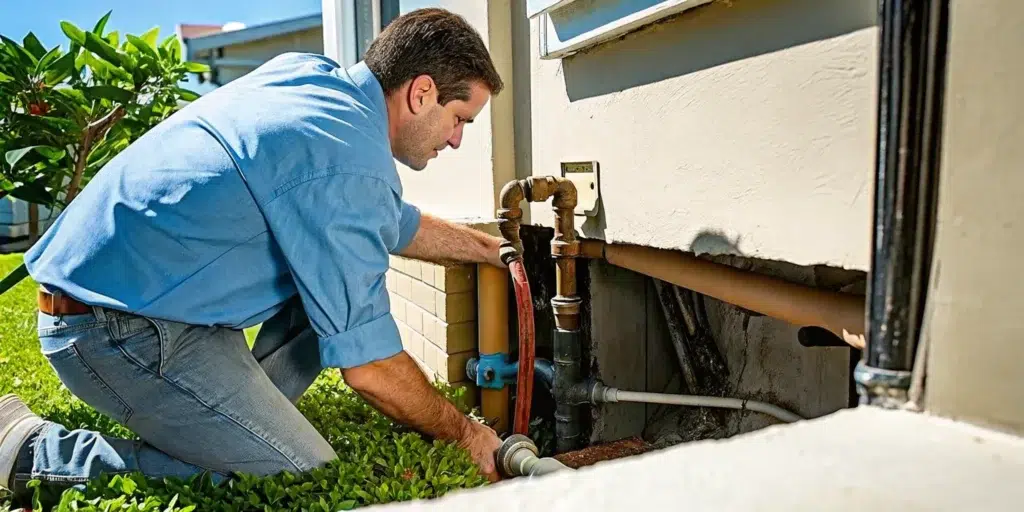
A burst pipe can send water across a Fort Myers home in minutes. The first goal is not to repair the pipe yourself. It is to stop the water, stay away from electrical hazards, and call a plumber who can locate and repair the failure safely. If you need burst pipe repair Fort Myers homeowners can start by shutting off the main water valve. Opening a low faucet to release pressure, moving people away from wet electrical areas, and calling Whiskey Creek Plumbing at (239) 785-9022.
Call Whiskey Creek Plumbing at (239) 785-9022 for immediate burst pipe repair in Fort Myers.
Do not enter standing water near outlets, appliances, or an electrical panel. Leave the area and call for help if a ceiling is sagging, water is near energized equipment, or the leak may involve wastewater. Once the immediate hazards are controlled, the steps below can help limit damage and give your plumber useful information.
Burst pipe repair Fort Myers: what to do immediately
Move quickly, but do not trade speed for safety. A few careful actions can reduce the amount of water entering the home and make the repair visit more efficient.
- Keep everyone away from hazards. Do not touch wet switches, cords, outlets, appliances, or the electrical panel. Keep children and pets out of the affected room.
- Stop the water supply. Use a nearby fixture shutoff if the break is clearly limited to one fixture. Otherwise, turn off the home’s main water valve.
- Release remaining pressure. After the main is off, open a faucet at a low point in the home. This allows water still in the piping to drain in a controlled place.
- Contain water only when safe. Use buckets and towels for accessible clean water. Do not stand beneath a sagging ceiling or enter a wet electrical area.
- Move belongings from the dry side. Relocate furniture, rugs, boxes, and electronics only if you can reach them without crossing a hazardous area.
- Document visible damage. Take photos and short videos from a safe location. Include the pipe area, nearby surfaces, and affected belongings.
- Call a plumber. Explain what happened, whether the water is off, and whether any safety hazards are present.
When to leave the area
Leave the affected area if water is touching electrical equipment, a ceiling is bowed or sagging, building materials are falling, or the source may be a sewer line. Call emergency services when there is an immediate threat to life or a serious electrical hazard. A plumber can address the water line, but other qualified professionals may be needed for electrical, structural, or water-removal work.
What not to do
Do not force a stuck valve, cut into a wall, or attempt a pressurized pipe repair. Tape and clamps may appear to slow a leak, but they do not replace a proper repair. Avoid turning the water back on just to see whether the leak has stopped. Doing so can restart water damage and make the failed section worse.
How do I find and shut off the main water valve?
The main shutoff controls the water entering the home. Its location varies, so every household should identify it before a leak happens. In Fort Myers homes, it may be near the water meter, on an exterior wall, in a garage, or where the main supply line enters the building. Some properties also have separate irrigation or equipment valves, so confirm that you have the domestic water shutoff.
Turning the valve safely
A lever-style ball valve usually closes when the handle is turned one-quarter turn until it sits perpendicular to the pipe. A round gate-style handle typically closes by turning clockwise. Apply steady, moderate pressure. Stop if the valve is corroded, damaged, or will not move. Forcing it may break the valve and create another leak.
After closing the valve, open a faucet to check whether the flow slows and stops. Water already stored in pipes may continue briefly. If strong flow continues, you may have closed the wrong valve or the valve may not be working. Tell the plumber exactly what you observed.
If you cannot reach or operate the shutoff
Do not enter an unsafe space or use excessive force. Call a plumber and explain that the main valve is inaccessible or stuck. If the situation involves a utility-side line or meter equipment, contact the appropriate utility rather than handling equipment you do not own. Once the emergency is resolved, consider having an aging or difficult shutoff evaluated so it is dependable next time.
When is a burst pipe an electrical or structural emergency?
Water damage can become more dangerous than the failed pipe itself. Treat water near electricity and visibly weakened building materials as safety issues, not cleanup projects.
Electrical warning signs
- Standing water near outlets, power strips, appliances, or electrical panels
- Sparking, buzzing, burning smells, or flickering lights
- Water entering walls or ceilings that contain wiring
- A wet path that blocks safe access to the main shutoff
Do not walk through water to reach a breaker panel. Do not touch the panel if it or the surrounding area is wet. Move away and contact qualified help. Turning off power may be appropriate only when the panel is completely dry and safely accessible.
Structural warning signs
Leave rooms with sagging ceilings, bulging drywall, falling material, or floors that feel unstable. Water held above a ceiling can make the material heavy and unpredictable. Never puncture a swollen ceiling while standing underneath it. Keep people out until the area has been assessed.
Clean water versus contaminated water
A broken supply pipe often releases clean water, but that water can pick up contaminants as it moves through walls, flooring, and stored materials. A break involving a sewer or drain line requires stronger precautions. Avoid contact, keep others away, and report the suspected source when you call.
What should I tell the plumber when I call?
A clear description helps the plumber understand the likely scope and prepare for the visit. You do not need to diagnose the failure. Share what you can observe safely.
Useful information to provide
- Your address, best callback number, and any access instructions
- Where water first appeared and where it has spread
- Whether the main water valve is off and whether flow stopped
- Whether the leak is visible, behind a wall, above a ceiling, or underground
- Any electrical, structural, or wastewater concerns
- The affected fixtures and whether nearby fixtures still work
- The pipe material or home age, if known
- Photos or video taken from a safe location
Also explain what happened before the leak appeared. Changes in water pressure, recent repair work, storm-related activity, or a recurring damp area may help guide the inspection. Be honest about any temporary action you took, including which valves you operated.
Questions worth asking
Ask what you should do while waiting and whether the water should remain off. Ask how the repair options will be explained before work begins. Whiskey Creek Plumbing emphasizes fixed-price services with a guarantee and transparent pricing, so the repair decision can be discussed clearly before work proceeds.
What does professional burst pipe repair involve?
A professional visit begins with confirming that the area is safe and the water is controlled. The plumber then identifies the failed section, considers why it failed, and determines whether a localized repair or a broader piping solution makes sense. The goal is not only to stop visible water, but also to restore reliable service and test the completed work.
Inspection and isolation
The plumber may inspect exposed piping, valves, fixtures, and nearby materials. A concealed leak may require focused access or professional leak detection and repair. Once the damaged area is identified, the affected section is isolated. The plumber can then explain the condition of the pipe and the practical repair choices.
| Approach | Often considered when | What to discuss |
|---|---|---|
| Localized repair | Damage is limited to one accessible section and nearby pipe is sound | Cause of failure, access needs, and testing |
| Section replacement | A longer area is weakened, corroded, or damaged | Replacement material, connection points, and affected finishes |
| Broader repiping | Failures recur or the piping system shows widespread deterioration | Scope, sequencing, materials, and long-term reliability |
Repair, testing, and restoration
After the damaged pipe is repaired or replaced, water is restored carefully and the work is checked for leaks. The plumber may also evaluate pressure or related conditions that could have contributed to the failure. Plumbing repair does not always include drying, drywall replacement, flooring work, or other restoration. Ask what is included and which follow-up services may be needed.
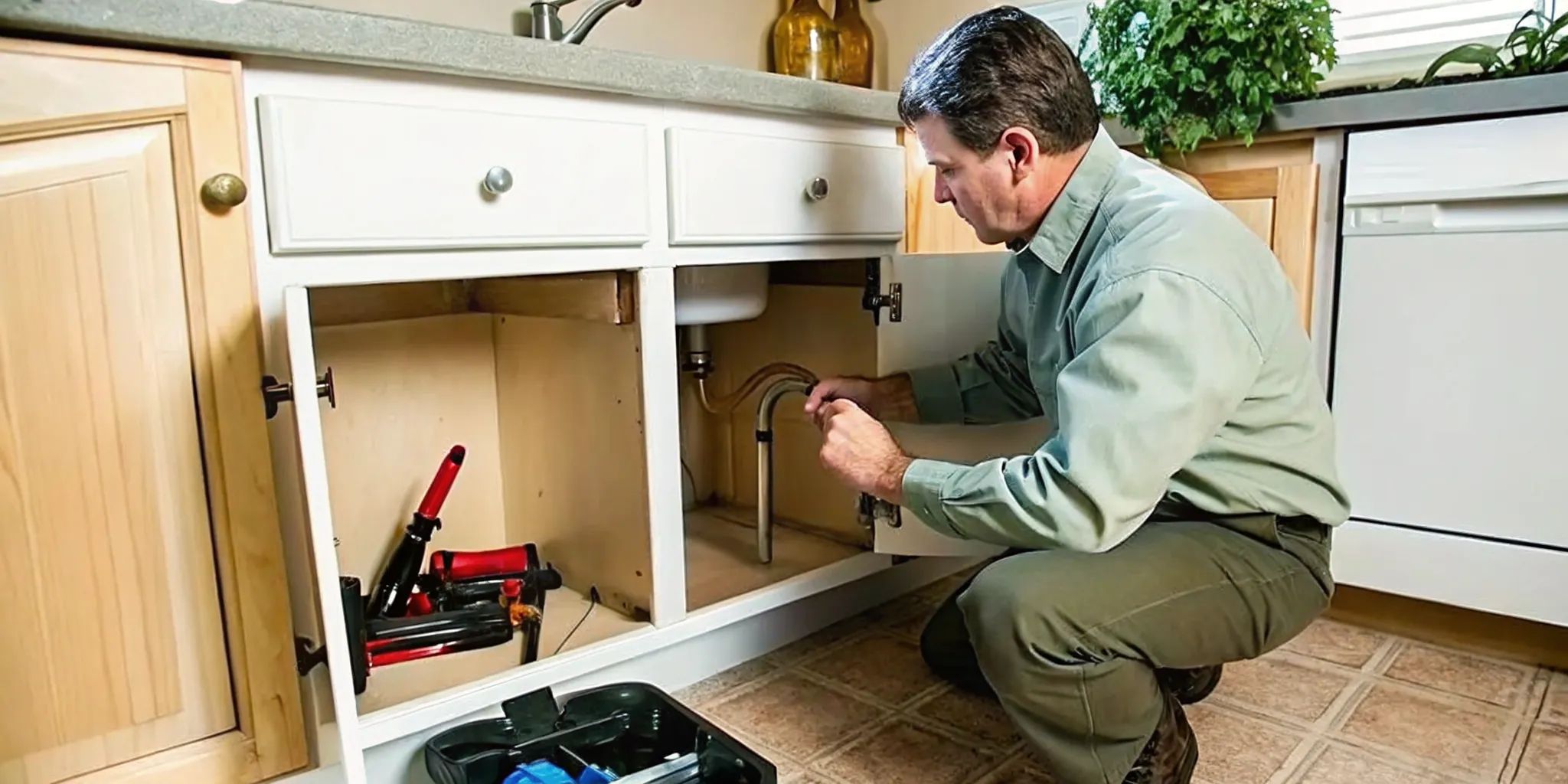
For more information about the company’s plumbing capabilities, visit Whiskey Creek Plumbing’s plumbing service overview. Commercial property managers can also review commercial plumbing services. A professional evaluation is especially useful when the leak is concealed or the home has experienced repeated pipe problems.
Contact Whiskey Creek Plumbing to arrange a professional pipe inspection and repair.
Why fast burst pipe repair matters in Fort Myers
Stopping the water quickly limits how far it can travel. Water may move under flooring, into cabinets, through wall cavities, and into rooms below the visible leak. Even after the pipe is repaired, materials can remain damp and may need professional drying or restoration.
Humidity can slow natural drying
Fort Myers has a humid climate, so opening a window is not a dependable drying plan. Damp drywall, insulation, wood, and flooring may retain moisture where it cannot be seen. Ask the appropriate restoration professional to evaluate affected materials when water has spread beyond a small, easily dried area.
A small visible leak may hide a larger path
The spot where water appears is not always the spot where the pipe failed. Water can follow framing, pipes, and gravity before becoming visible. That is why a plumber may inspect beyond the first wet stain. Prompt diagnosis helps locate the source before the water is turned back on.
Documentation supports the next steps
Keep your photos, notes, and repair records together. Document what you observed, when you shut off the water, and which areas were affected. If you plan to contact your insurance provider, ask what documentation it needs. Coverage decisions belong to the insurer, so avoid assumptions about what will be covered.
How to reduce the risk of another burst pipe
Not every pipe failure can be prevented, but routine awareness can reveal problems before they become emergencies. After the repair, ask what caused the failure and whether nearby piping shows similar wear.
Know your shutoffs
Label the main water shutoff and make sure responsible household members know its location. Keep the route clear. Operate or service valves only according to professional guidance, especially if they are old or corroded. A dependable shutoff is one of the most valuable tools during a plumbing emergency.
Watch for early warning signs
- Recurring damp spots or unexplained stains
- Changes in water pressure
- Corrosion, discoloration, or buildup on exposed pipe
- Unexplained water sounds when fixtures are off
- Repeated leaks in the same piping system
- Worn appliance and fixture supply lines
Arrange an inspection when these signs appear. Repeated patch repairs may indicate that a larger section needs attention. A plumber can explain whether maintenance, a valve replacement, section replacement, or repiping is the better long-term choice.
Plan before storms and extended absences
Before leaving the property for an extended period, decide how the water supply should be managed and make sure a trusted person knows how to respond. Follow professional guidance for your specific plumbing system and connected equipment. After severe weather, look for visible piping damage and signs of new leaks without entering unsafe areas.
Frequently asked questions about burst pipes
Should I turn off the water if I only see a small leak?
Yes, if the leak is active and you can safely operate the correct shutoff. A small visible stream can still spread into concealed spaces. Use the nearest fixture shutoff when the source is clear. Otherwise, close the main valve and call a plumber.
Can I use tape or a clamp until a plumber arrives?
Do not rely on a temporary patch as a repair. Working on a pressurized or damaged pipe can worsen the break. Shut off the water when safe, contain accessible water, and wait for a professional assessment.
Can I turn the water back on after the leak stops?
Not unless a plumber advises that it is safe. The leak may stop because the pressure dropped, not because the pipe is sound. Turning the water back on can restart the leak and increase damage.
Why would a pipe burst in Fort Myers?
Possible causes include corrosion, aging materials, pressure problems, accidental damage, movement, and weakened connections. The exact cause requires inspection. Understanding it can help determine whether a localized repair is enough.
Who should I call for burst pipe repair in Fort Myers?
Call a local plumbing professional who can inspect the failed line, explain repair options, and test the completed work. Whiskey Creek Plumbing serves Fort Myers and surrounding Southwest Florida communities. Call (239) 785-9022 to discuss the problem.
Call Whiskey Creek Plumbing for burst pipe repair
A burst pipe requires a calm, safe response and a dependable repair. Shut off the water if you can do so safely, avoid electrical and structural hazards, and call Whiskey Creek Plumbing. The family-run team has 25 years of experience, proudly serving Lee County and surrounding areas since 2022 and provides transparent, fixed-price plumbing services with a guarantee.