
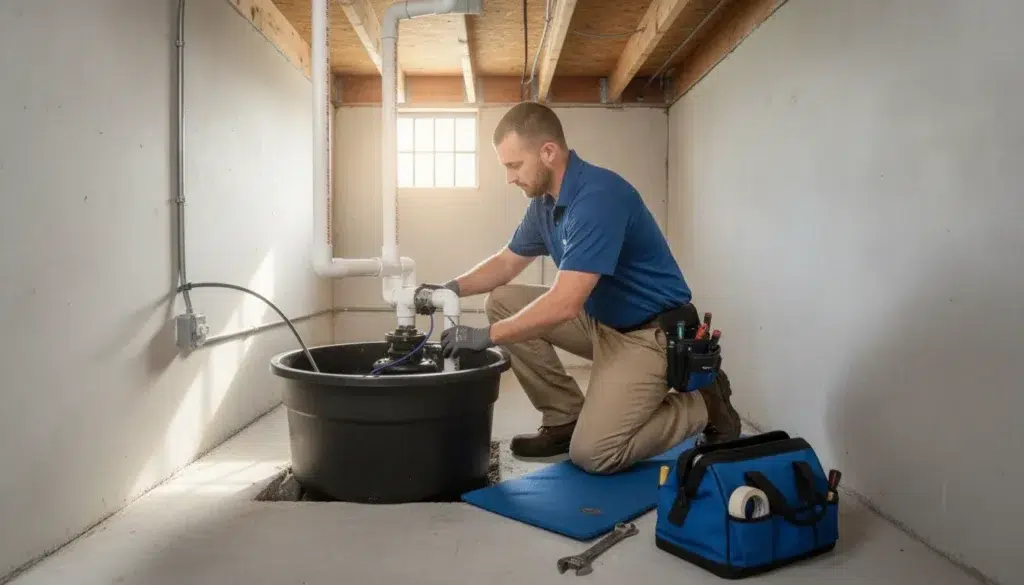
Water that collects around a Fort Myers home can become more than a nuisance during heavy rain. A properly planned sump system gives that water a controlled path away from vulnerable areas, but reliable protection depends on more than choosing a pump from a shelf.
Get help reviewing your sump pump installation options.
Sump pump installation is the process of designing and setting up a complete drainage system. It includes the collection basin, pump, float or sensor, check valve, discharge line, and safe electrical connection. The right setup depends on where water gathers, how it will be discharged, and how the system will perform during a power interruption.
For homeowners in Fort Myers and Lee County, the most important questions are practical: Which components belong together? Where should discharge water go? What should be tested before the system is trusted? We will walk through the installation process, local drainage considerations, routine maintenance, and the situations where a licensed plumber should evaluate the work.
What Does Sump Pump Installation Include?
A sump pump installation is a complete water-collection and drainage system, not simply placing a pump inside a hole. The finished setup must collect water, activate at the right level, move water through a discharge line, and release it safely away from the home. The basin, pump, float or sensor, check valve, piping, power connection, and discharge route all work together.
Learn about sump pump installation and repair or call (239) 785-9022.
The basin or sump pit collects water
The basin, also called the sump pit, is the collection point. Depending on the home’s drainage layout, water may reach it from foundation drains, drain tile, or the surrounding area. A sump may serve the footings, the entire basement, or only the area near the pit, so the existing drainage system should be understood before choosing equipment. Our guide to sump pump basin installation explains how the basin differs from the pump and why its placement matters.
The pump and float control water removal
The pump removes collected water from the basin. Pedestal pumps keep the motor above the water, while submersible pumps sit at the bottom of the pit and operate underwater. Either design can work when properly selected and maintained. A float or electronic sensor turns the pump on as water rises and off after the level drops. The switch needs enough room to move freely without catching on the basin wall or discharge piping.
The discharge line carries water away
After the pump starts, water travels through an outlet pipe and away from the home. A check valve helps prevent discharged water from flowing back into the basin when the pump shuts off. Without appropriate discharge routing, backflow can make the pump cycle more often and place unnecessary stress on the system. Installation also includes confirming that the outlet is clear and that water can leave the property without returning toward the foundation.
A complete installation should finish with electrical and safety checks, a test of the float or sensor, and confirmation that the pump moves water as intended. If the system involves digging, drainage changes, electrical work, or recurring water intrusion, a licensed plumber can evaluate the setup before a small problem becomes property damage.
How to Choose the Right Sump Pump Setup
The right setup depends on more than the pump motor. A sump pump installation should match the basin, drainage layout, discharge route, and the conditions your Fort Myers home may face. Start by treating the system as a group of parts that must work together.
- Pump type: A submersible pump sits at the bottom of the basin and is common in residential applications. A pedestal pump keeps its motor above the pit, which can make it easier to observe and service and may suit a smaller basin. Both types can work reliably when properly maintained. North Dakota State University Extension explains the differences.
- Basin and float: The basin must provide enough room for the pump and its float switch to move freely. A float that catches on the wall, cord, or piping may fail to start the pump when water rises. Your existing drainage tile also matters because some homes collect water from only part of the foundation, while others direct water from a larger area into the pit.
- Check valve: A check valve on the outlet pipe helps prevent discharged water from flowing back into the basin after the pump shuts off. Without proper backflow control, the pump can cycle more often than necessary, adding wear over time. The same extension guidance covers check valves and backflow.
- Discharge pipe: The pipe should move water away from the home and end at an outlet that can release it freely. A technically sound pump cannot protect the home if the discharge line is restricted, poorly routed, or sending water back toward the foundation.
- Backup power: Consider what happens if heavy rain arrives during an outage. A battery backup pump can continue operating when the primary pump loses electricity. A water-powered backup uses household water pressure instead of electricity or batteries, but it is not appropriate for every home or plumbing system. This Old House outlines common backup options.
For Fort Myers homeowners, the best choice is the setup that fits the home’s actual drainage path, available power, basin dimensions, and discharge conditions. If those details are unclear, have a licensed plumber evaluate them before choosing equipment.
Component checks before you approve a sump pump installation
| Component | What to confirm |
|---|---|
| Basin | It collects water at the right low point and leaves room for the pump and float. |
| Pump and float | The pump matches the system and the float moves freely without catching. |
| Discharge line | Water exits freely and does not return toward the foundation. |
| Power and backup | The connection is safe for the installation and outage planning is addressed. |
Call (239) 785-9022 to discuss your sump pump installation needs.
Sump Pump Installation in Fort Myers: A Step-by-Step Process
A dependable sump pump system is built around more than the pump itself. The basin, float switch, discharge line, check valve, power connection, and drainage path all need to work together. During a professional assessment, we look at where water collects, how it reaches that point, and where it can be discharged safely. That matters because a sump may connect to drainage tile serving the footings, the whole basement, or only the area around the pit, according to North Dakota State University Extension.
The exact work varies by home, but the installation usually follows this sequence:
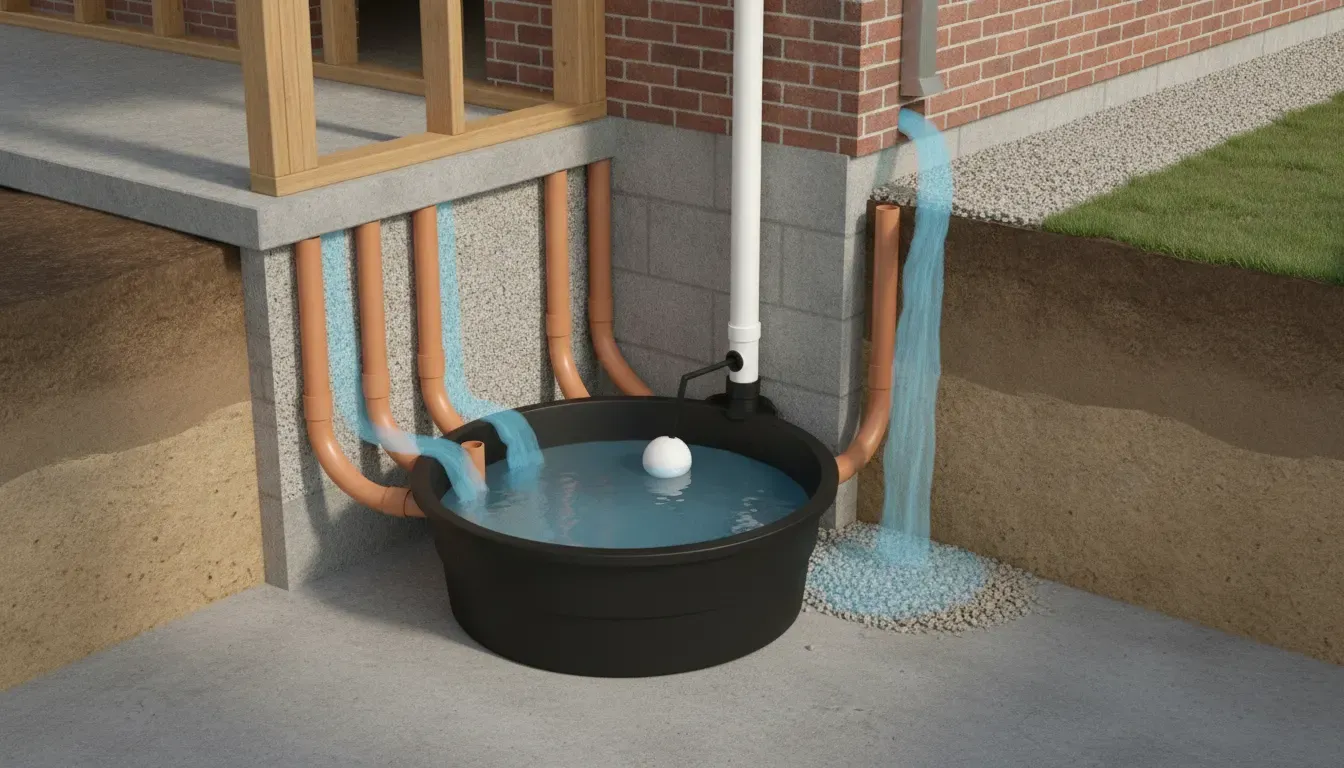
- Assess the water path. We identify the areas where water gathers and determine whether existing foundation drainage or another collection route feeds the sump. This helps avoid installing a pump in a location that does not receive the water it needs to manage.
- Choose the collection point. The basin should sit where it can collect water effectively while leaving room for service and safe access. Before any excavation, underground utilities must be located. The installation location also needs enough basin diameter for the float and piping to move freely. A float or its cord can become trapped when the pit is too narrow, as NDSU Extension explains.
- Prepare the basin. The pit is excavated to the appropriate depth, the base is prepared, and the basin is set level. A properly prepared basin allows water to enter while keeping soil and debris from interfering with the pump. The surrounding opening is then secured and sealed as appropriate for the installation.
- Install the pump and float. The pump is positioned at the bottom of the basin, or the motor is kept above the water when a pedestal model is appropriate. The float switch must have unobstructed movement so it starts and stops the pump at the intended water levels. A submersible pump, for example, is designed to sit at the bottom of the sump while submerged.
- Route the discharge line. The outlet pipe carries collected water away from the home. We plan the route to reduce unnecessary bends and protect the pipe from discharging back toward the foundation. A check valve on the outlet helps stop water from flowing back into the basin after the pump shuts off. Backflow can otherwise cause extra cycling and shorten pump life.
- Address electrical safety. The power connection must be suitable for a wet-area pump installation and protected according to applicable electrical requirements. Do not handle a pump or inspect its intake while it is energized. Extension guidance from South Dakota State University says the pump should be unplugged before it is touched.
- Test the complete system. We clear the exterior outlet, add water gradually, and confirm that the float moves freely and activates the pump. The pump should move water through the discharge line without unusual noise, repeated short cycling, or visible leaks. Testing the entire path is the final check that the installation is ready for actual rain.
Call Whiskey Creek Plumbing at (239) 785-9022 to discuss sump pump installation in Fort Myers.
Why Discharge Routing and Florida Weather Matter
A sump pump only helps when it can move collected water away from the home. The discharge line carries water from the sump to an approved outdoor release point, so its route matters as much as the pump itself. If the outlet is blocked, aimed back toward the foundation, or placed where water pools. The system can send moisture right back toward the problem it was meant to reduce.
Fort Myers and Lee County homeowners should pay close attention to low points around the property. A discharge outlet that ends in a shallow depression may release water successfully during a test but create standing water after a longer rain. That water can saturate soil near the foundation. Heavy rain can saturate soil and allow groundwater to enter through a sump pit. Sump pumps direct that groundwater away through drainage pipes. Treat the outlet as part of the home’s broader drainage plan, not as an afterthought.
Before installation, examine where water naturally travels across the yard. Consider roof runoff, nearby grading, walkways, landscaping, and any low areas that could collect discharge. The outlet should release water where it will not undermine soil, flow toward the foundation, create a slip hazard, or send water onto a neighboring property. The right destination depends on the home’s layout and the local drainage situation, so a site assessment is important when the route is unclear.
Storm preparation also means checking the system before severe weather arrives. Clear leaves and debris from the exterior outlet, confirm that the float moves freely, and test the pump according to the manufacturer’s instructions. If the home depends on electric equipment, ask about backup options and make sure the surrounding plumbing is ready for heavy rain. Our guide to Florida hurricane plumbing preparation covers additional steps for reducing plumbing risks before a storm.
When Should You Hire a Plumber?
A sump pump deserves professional attention when the problem is bigger than a simple, safe test. If the pump has stopped working, runs without removing water, or makes an unusual sound, do not wait for the next heavy rain. A defective pump can allow water to build up in the sump and increase the risk of flooding. Extension guidance also notes that a pump that struggles or sounds irregular may need repair or replacement: review the safety and testing guidance before attempting hands-on work.
Call a licensed plumber for an evaluation when you notice any of the following:
- Water keeps returning. Recurring water may point to a drainage problem, a blocked intake, an undersized or failing pump. Or a discharge route that is not carrying water far enough away from the home.
- You cannot trace the water path. A sump may connect to drainage tile around the footing, beneath a larger portion of the home, or only near the basin. Understanding that layout matters before changing the pump or digging.
- The discharge line is restricted or sends water back. The outlet should release water freely, and a check valve helps prevent discharged water from flowing back into the sump. Backflow can make the pump cycle too often and shorten its useful life.
- Electrical work is involved. Unplug the pump before touching it. If the outlet, wiring, breaker, float switch, or backup power setup is questionable, stop and have the electrical portion evaluated rather than troubleshooting around standing water.
- The basin, pit, or surrounding structure needs work. A new basin or collection point can involve excavation, drainage connections, sealing, and utility safety. It is not simply a matter of dropping in a replacement pump.
- You want a complete system evaluation. Professional help is reasonable when you are replacing an older pump, preparing for a wet season. Or unsure whether the pump, float, check valve, discharge, and drainage system work together.
Homeowners can often observe a float and confirm that water exits the discharge point, but do not force a stuck component or work on energized equipment. A careful evaluation should explain what failed, whether the problem is isolated to the pump, and what repair or replacement options fit the home. For related service information, see our plumbing services in Fort Myers and Lee County, or review the sump pump installation and repair destination.
Call Whiskey Creek Plumbing at (239) 785-9022 for a clear next step.
Get help reviewing your sump pump installation options.
Frequently Asked Questions
How do I know which sump pump is right for my home?
Start with the basin size, how water reaches it, the discharge route, and whether you need backup protection during an outage. Pedestal and submersible pumps can both work well when properly maintained. A submersible pump sits in the water, while a pedestal pump keeps its motor above the basin. The right choice depends on the available space, expected water volume, and access for service.
Where should a sump pump discharge line send the water?
The discharge line should move collected water away from the home without allowing it to flow back into the basin. A check valve helps limit backflow when the pump shuts off. The outside outlet also needs to remain clear so water can leave freely. Poor routing can send water back toward the foundation, so review the complete drainage path rather than focusing only on the pump.
How often should I test and maintain a sump pump?
Test the pump by slowly adding water and confirming that the float moves freely and starts the pump at the appropriate level. Inspect the intake for debris, check the discharge outlet, and listen for unusual sounds while it runs. Assess the pump at least once a year. Clean its inlet screen more often when needed.
When should I call a plumber for sump pump installation?
Get professional help when installation involves cutting a floor, identifying drainage or utility lines, routing a discharge pipe, connecting electrical components, or correcting recurring water intrusion. Call promptly if the pump struggles, sounds irregular, fails to start, or water continues collecting around the foundation. A licensed evaluation can determine whether the problem is the pump, the basin, the discharge route, or the broader drainage system.
Ready to Plan Your Sump Pump Installation?
A properly selected and installed sump pump can give your Fort Myers home a dependable way to manage unwanted water. We can help you review the setup, understand the installation process, and identify practical next steps for your property.
Call Whiskey Creek Plumbing at (239) 785-9022 to talk with our team about sump pump installation and repair.