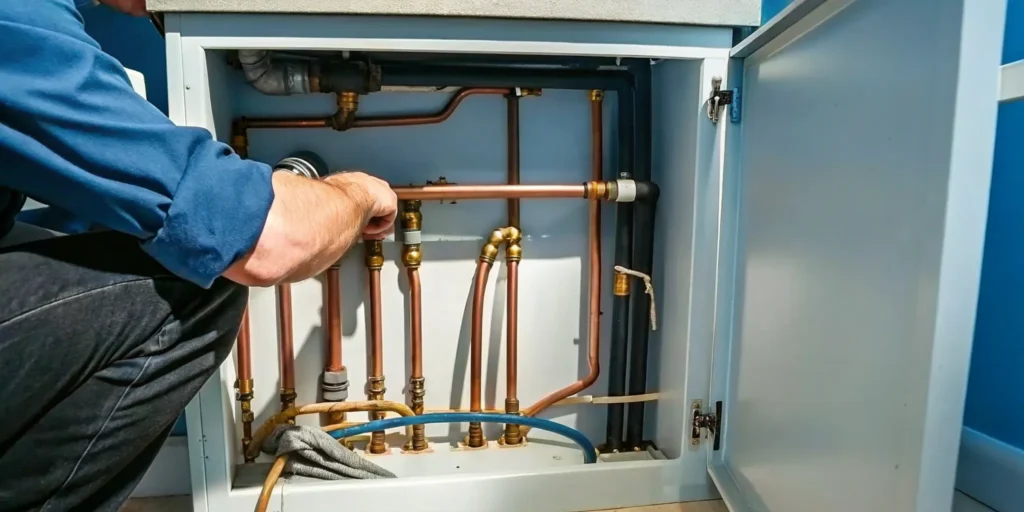
A single leaking pipe might seem like a small problem until water damage spreads. In Southwest Florida and across the country, the EPA reports that home leaks waste nearly one trillion gallons of water every year.
Repiping signs often start with small leaks that keep coming back even after expert repairs; you may also see water that looks dark or dirty. Low water pressure in the shower or slow toilets also show that your pipes have reached the end of their life and need a change. These problems often happen in older homes built with steel or plastic pipes that break down; you might even hear loud banging in your walls. If you see damp spots or a high water bill, catching these signs early can save you from the high cost of major water damage. Our team at Whiskey Creek Plumbing provides expert piping and repiping services to fix your home, restore flow, and keep your family safe.
Finding out if you need new pipes is the first step toward a dry home. You should know why these leaks keep happening. Our guide explores the topic of Is It Time to Repipe? When Recurring Plumbing Problems Point to a Larger Issue. The path begins with
Do you need an expert opinion on your home’s pipes? Schedule a professional plumbing inspection with Whiskey Creek Plumbing or call us at (239) 785-9022 for fast, fixed-price service in Fort Myers.
Is It Time to Repipe? When Recurring Plumbing Problems Point to a Larger Issue
Fixing a single leak might seem like a simple chore. But when you face the same issues month after month, the root cause is often deep within your home’s plumbing. In many cases, these recurring problems are clear warnings that point to whole-house repiping to keep your home safe.
The cost of ignoring leaks
Small drips can lead to massive waste over time. According to the Environmental Protection Agency (EPA), household leaks waste nearly 1 trillion gallons of water across the US each year. This waste drives up your bills and can cause hidden damage to your walls and floors. If you call for a quick fix every few weeks, you may be wasting money on repairs that do not solve the real problem.
Homeowners often try to save money by patching one pipe at a time. This can work for a one-off break, but it is not a long-term plan for an aging house. When pipes reach the end of their life, they become thin and brittle. A patch in one spot might just put more pressure on another weak area, leading to a new break shortly after.
Identifying systemic piping failure
You can often spot the signs of failing water pipes before a major flood occurs. If your water looks brown or yellow, it is a sign that rust is flaking off the inside of your metal lines. This rust can clog your shower heads and faucets, leading to low water pressure that makes daily tasks hard. You might also notice a metallic taste in your water, which is a common sign that your pipes are breaking down.
Strange sounds are another warning to watch for in your home. If you hear banging, whistling, or rattling when you turn on a tap, your pipes may be loose or poorly supported. Over time, these movements cause wear that leads to cracks. If you notice these issues, it is wise to seek professional leak detection to see if a full repipe is needed. Catching these repiping signs early can save you from a major mess later on.
Why professional inspection matters
A pro plumber can look beyond the surface to find out why your drains are slow or your pressure is low. At Whiskey Creek Plumbing, we use video tools to see exactly what is happening inside your lines. This tech helps us find out if you have a simple clog or a systemic break that needs a full change. We give fixed-price quotes so you know the cost of the work before we start. This help lets you make the best choice for your home and your budget.
5 Critical Repiping Signs Every Fort Myers Homeowner Should Watch For
Living in Southwest Florida means your home deals with high humidity and hard water. These local factors can speed up the wear on your pipes. While a small leak might seem simple, it often points to a larger problem with your plumbing system. Watching for specific repiping signs can help you avoid a major flood or high repair costs.
Common warning signs of pipe failure
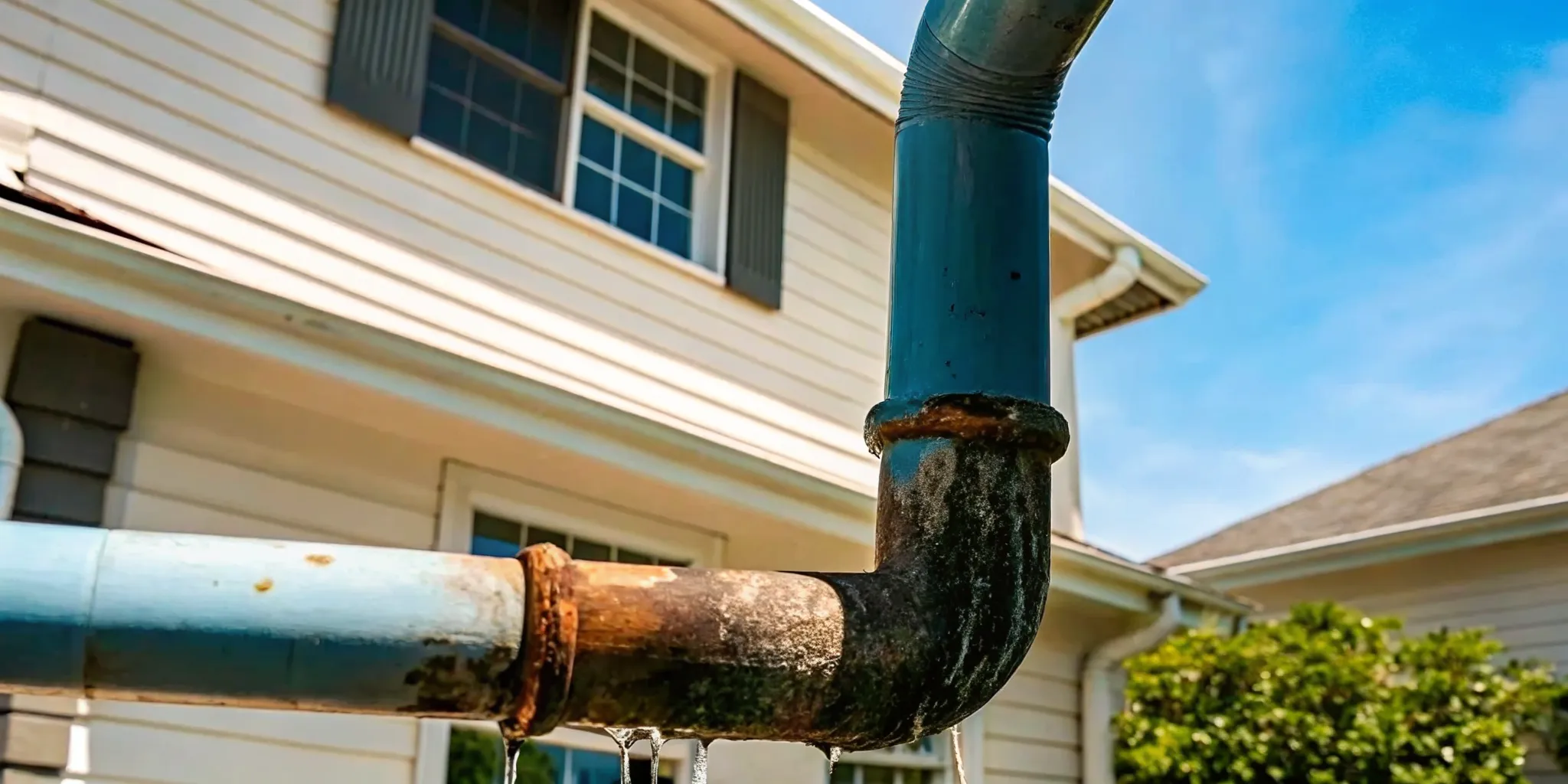
Old pipes do not just stop working one day. They give off clear signals that they are reaching the end of their life. If your home was built before 1980, you may still have galvanized steel or polybutylene pipes. These materials are known to fail as they age. If you notice these issues, you should consider scheduling an expert pipe replacement evaluation to keep your home safe.
- Frequent Pipe Leaks
If you find yourself calling a plumber for a new leak every few months, your pipes are likely failing. Patching a single spot does not fix the weak points in the rest of the line. Recurring leaks are a top sign that the entire system is brittle. Addressing these early can help you avoid serious plumbing emergencies like a burst main line.
- Rusty or Discolored Water
When you turn on the tap, the water should be clear. Red, brown, or yellow water often means there is rust inside your pipes. This rust can flake off and enter your drinking water or stain your sinks. Corrosion is a major sign that the metal is breaking down. Internal rust also narrows the path for water, which leads to other performance issues.
- Low Water Pressure
Do you notice a weak flow in your shower or kitchen sink? Low pressure is more than just a nuisance. It often happens because of a buildup of sediment or rust inside your pipes. As this gunk grows, it blocks the flow of water. This is common in older homes with original metal plumbing. If your pressure stays low after a basic fix, it is time to check for our guide to residential water pipes.
- Strange Plumbing Noises
Your pipes should be quiet when the water is off. Rattling, banging, or whistling sounds are not normal. These noises can mean that pipes are loose or that air is trapped due to a leak. In some cases, loud thumps called water hammers happen when valves wear out or pressure is uneven. Unusual sounds often point to structural wear that requires a full inspection.
- Visible Corrosion or Staining
Check the exposed pipes under your sinks or in your garage. Look for blue-green stains, white crusty buildup, or dark spots. These are clear signs of corrosion. Even if you do not see a puddle, these stains show that the pipe is “weeping” water through small holes. According to the Environmental Protection Agency (EPA), even small leaks can waste a lot of water and drive up your monthly bills.
Why a professional check matters
It is hard to see what is happening inside your walls. Our team uses video tools to look deep into your lines. We provide an upfront, fixed-price quote so you know the cost before any work starts. This helps you make a smart choice for your home without any surprise fees.
Pipe Material Lifespans: How Long Do Your Home’s Pipes Last?
Every plumbing system has a limit. The type of pipe in your home tells you how many years it may last. Knowing these dates helps you find repiping signs before a leak starts. If your home is over 40 years old, you should check your pipe type. Old pipes often wear out and lead to water damage or low pressure.
Typical Life of Metal Pipes
Metal pipes were common for years in Fort Myers homes. Galvanized steel was used in older builds but rusts from the inside out. This rust leads to the common home piping issues many people see today. Brass and copper last much longer but can still fail from hard water or acidic soil.
Copper is a top pick for its strength. It stays strong for a long time. Experts at the Environmental Protection Agency (EPA) say that fixing leaks can save water and money. While copper can last over 50 years, thin pipes may fail fast if your water has a low pH.
Modern Plastic and Synthetic Pipes
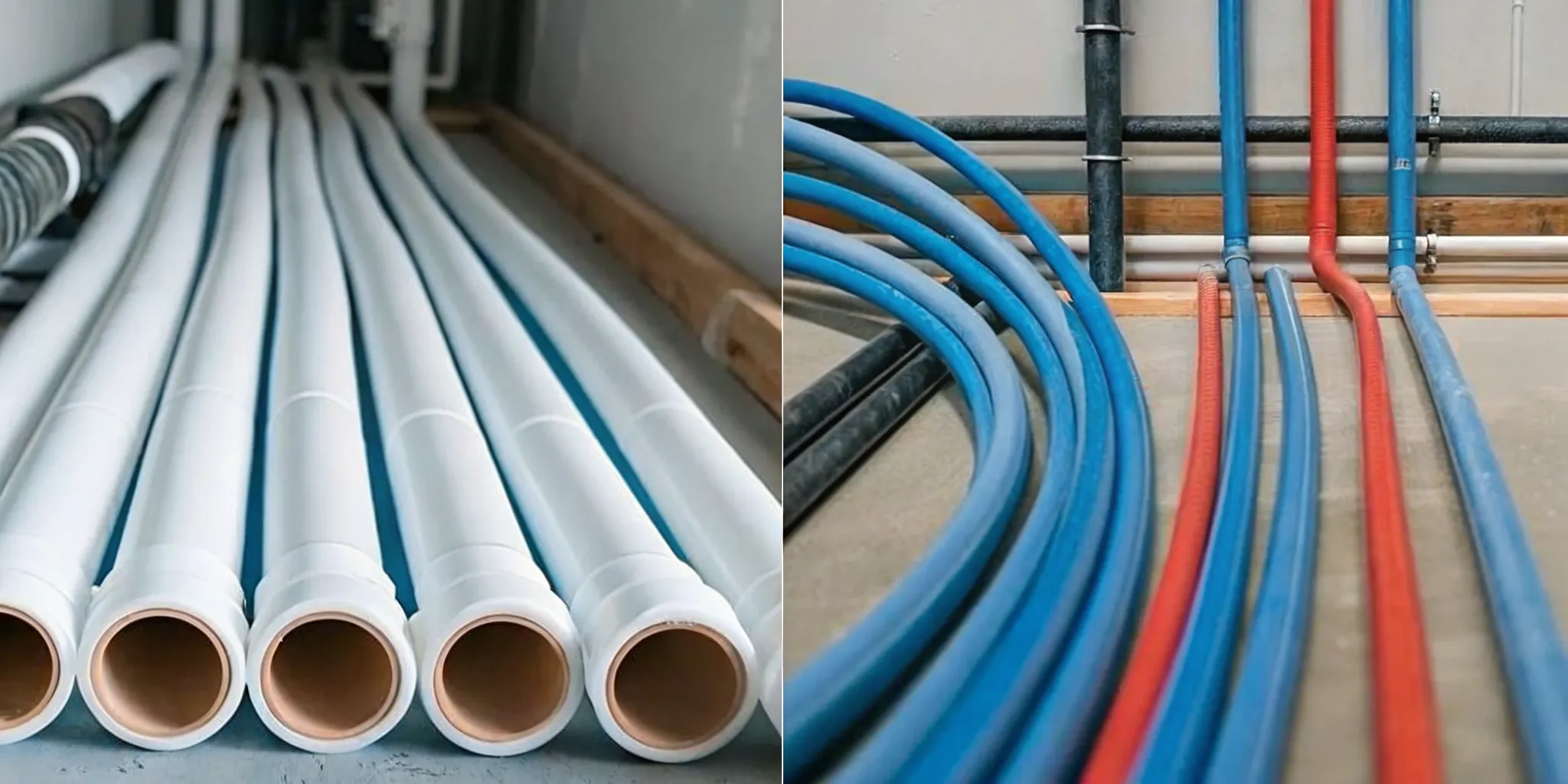
Newer homes often use plastic pipes like PVC or PEX. These do not rust or rot like metal does. But they can still break down from high heat or some chemicals. Finding critical water line warning signs is still key even with new pipes.
PEX is very popular now because it is easy to put in and bends well. It works great for many years. PVC and CPVC are stiff and work well for main lines and drains. Most of these new pipes should last for at least 40 years if they are used right.
Pipe Material Comparison Table
This table shows the average life for common pipe types found in homes today.
| Pipe Material | Average Life | Common Issues |
|---|---|---|
| Galvanized Steel | 20–50 years | Internal rust, clogs |
| Brass | 40–70 years | Cracks in old joints |
| Copper | 50+ years | Small leaks from acid |
| PEX | 40–50 years | Sun light damage |
| PVC / CPVC | 40–50 years | Gets brittle with heat |
If your pipes are old, it is time for a pro to look at them. A plumber can use a camera to see if you have hidden repiping signs like thin walls or rust. Finding these facts early saves you from the stress and high cost of a burst pipe.
Trenchless vs. Traditional Repiping in Southwest Florida
Homeowners in Fort Myers often face a tough choice when pipes fail. Older ways meant digging up yards or tearing through drywall to reach buried lines. This old path can be messy and slow. But new tech now allows for less work in your home. At Whiskey Creek Plumbing, we use new ways to fix your lines without big damage to your property.
Traditional repiping ways
Old-style work needs access to every foot of pipe. Plumbers must cut into walls and floors to remove old lines and set new ones. This path is often needed for repiping signs like whole-home failure or older homes with bad pipe types. While it works well, it can lead to high costs for wall repair and paint after the plumbing work is done.
This way is still a solid choice for many homes in Lee County. It lets a team see every joint and seal. It is also the best way to move pipes to better spots during a house change. You can learn more about key factors for replacing home plumbing to see if this big project is the right move for your home.
Trenchless pipe work
New pipe tech is a big help for Southwest Florida yards. Instead of a long trench, we use small holes to fix or replace lines. This keeps your lawn and drive safe from big machines. It is a fast way to handle deep lines under your home or pool deck. Many people choose this to save their plants while getting professional repiping services that last.
One common way is pipe bursting. This pulls a new pipe through the old one, breaking the old line as it goes. Another way is lining the pipe with epoxy. This creates a new, smooth wall inside the old pipe. Both ways offer a strong fix that meets EPA water standards for less leaks and saving water in our local area.
Picking the right path
The best choice for your home depends on your pipe depth and yard layout. New tech work often costs more for the gear but saves you money on yard fix costs. Old-style work may be cheaper for the pipes but leaves you with a big clean up. We offer fixed-price quotes so you know the full cost before any work starts. Our team can help you find the best plan to keep your water safe and your home in good shape.
What to Expect During a Professional Whole-Home Repipe
A whole-home repipe is a big project, but a clear plan keeps it simple. Our team at Whiskey Creek Plumbing uses a proven process to swap your old, leaky lines for new, safe ones. We focus on being clean and fast so you can get back to your life with water you can trust. If you see signs your plumbing system is failing, knowing what comes next helps you prepare.
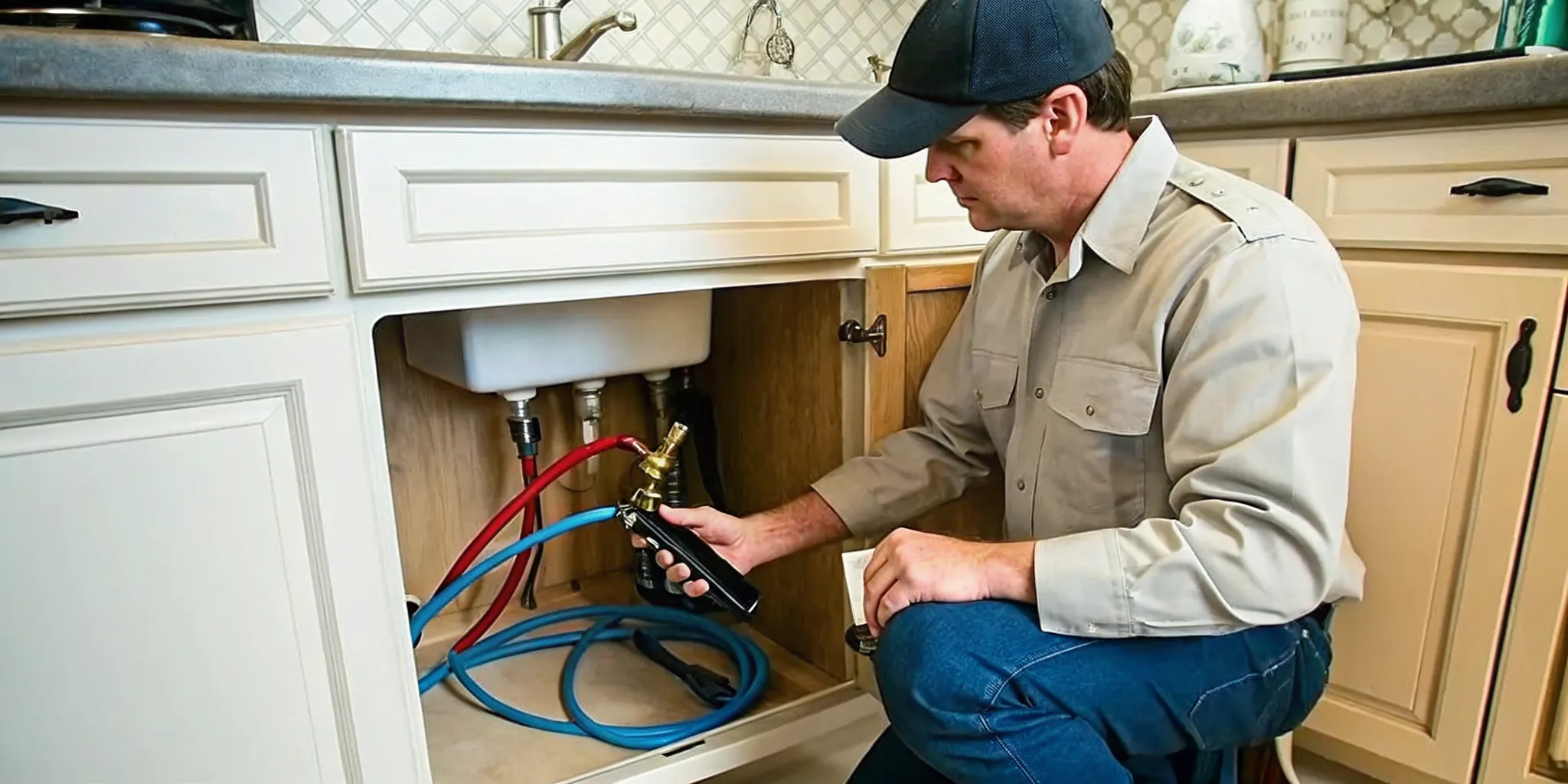
Inspection and planning
First, we find exactly where your pipes go. We often use video tools to see inside your walls and floors. This step helps us map the best path for your new lines. We look for deteriorating water lines like rust or thin walls. Our goal is to make a plan that uses the fewest cuts to your drywall or floors.
Once we have a map, we give you a fixed-price quote. You will know the full cost before any work starts. This helps you plan your budget. We want you to feel sure about your choice to fix your home water system. We also check local rules to ensure all work meets Florida plumbing license standards.
Installation and pipe replacement
On work days, our crew protects your home. We use drop cloths on floors and plastic over your furniture. Then, we start the task of removing old pipes and adding new ones. Most homes in Lee County now use PEX or copper. Both are strong and can last for many decades. PEX is often faster to set up and costs less because it is flexible.
We work in sections so you are not without water for too long. Often, we can turn the water back on at the end of each work day. This way, you can still use your sinks and showers while we finish the job. Our team is trained to work fast while keeping a high level of quality. We want to ensure your new professional plumbing repiping is done right the first time.
Testing and final cleanup
After the new pipes are in, we test the system. We check every joint and valve for leaks. We also flush the lines to remove any dust or air. This ensures your water pressure is strong and the water is clear. It is vital to check that your home meets safety codes before we call the job done. According to the Environmental Protection Agency, fixing leaks can save a lot of water each year.
Finally, we clean up the work areas. If we had to cut into drywall, we can help plan the fix. We leave your home as clean as we found it. Once we finish, you will have a water system that works well. Our 100% satisfaction guarantee means we stay until you are happy. You can rest easy knowing your home is safe from water damage for a long time.
Frequently Asked Questions
How can I tell if my home pipes are too old?
You should check your pipes if your home is more than 40 years old. According to plumbing industry standards, this is when many original materials start to fail. If you notice frequent leaks or brown water, these are critical repiping signs that your system is worn out. An expert can help you find small issues before they turn into major floods. This protects your property and helps you plan for future upgrades.
What causes low water pressure in a home?
Low water pressure is often caused by a buildup inside your pipes. Over time, rust or minerals can clog the lines and slow the flow of water. This is a common issue in older homes with metal pipes. If you notice a sudden drop in pressure, it might be one of the critical repiping signs you should not ignore. An expert can use a video camera to see if your pipes are too narrow to work well.
Are water stains on walls a sign of hidden leaks?
Yes, water stains on your walls or ceilings are often a sign of a hidden leak. Even a tiny leak can waste a lot of water. According to the Environmental Protection Agency, leaks in homes across the country waste about 1 trillion gallons of water each year. This waste can drive up your utility bills and cause rot or mold. Finding these signs early helps you save money and protects your home.
What are the dos and don’ts of repiping?
When you plan to replace your pipes, do hire a team with a Florida plumbing license. Do ask for an upfront, fixed-price quote to avoid surprise costs later. Don’t wait for a major burst before you take action. Small leaks are often early repiping signs of a failing system. Don’t try to fix the whole system yourself. A mistake could lead to costly water damage and higher repair bills in your home for years to come.
Ready to solve your recurring plumbing problems for good?
Leaving a bad pipe alone can lead to a sudden flood that ruins your floors, walls, and monthly budget. Get an upfront quote for our whole-house repipe solutions now before these signs of wear turn into a major break. Our local team can use modern tools to help you stop the damage, find the root cause, and protect your home. This helps you plan your home repairs with no surprise fees later so you can stay calm and keep your pipes flowing in Southwest Florida.
Ready to get started? Call (239) 785-9022 to schedule a professional video pipe inspection and whole-home repiping evaluation with our expert family team in Fort Myers today.