
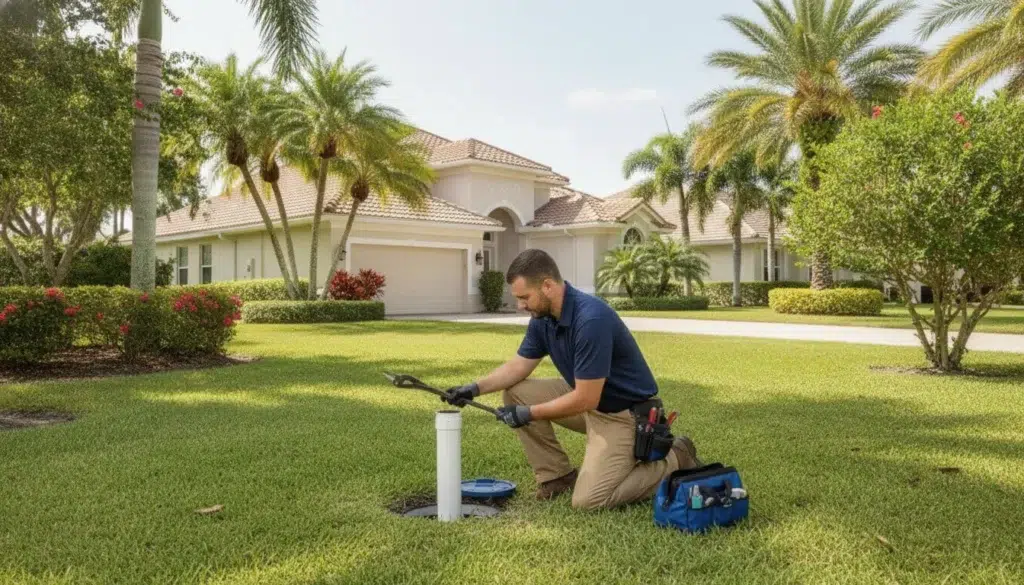
A sewer problem rarely begins with a visible trench in the yard. Cracks, settling, and tree-root intrusion can damage a line underground, while the right repair depends on where the damage is and how the existing pipe is holding up.
Schedule a sewer line evaluation
So, how does trenchless sewer repair work? A plumber first inspects and prepares the existing line, then uses it as a host or pathway for a new liner or replacement pipe. Depending on the condition and layout, the work may involve curing a liner inside the old pipe or opening the old pipe outward as a new pipe is installed. Access typically comes through existing openings or smaller insertion pits, which can mean less disturbance and restoration than excavating the entire line. The EPA explains these trenchless methods, but not every property or damaged line is a candidate.
Understanding what trenchless means makes the rest of the process easier to follow, starting with the host pipe and the limited-access approach.
What Does Trenchless Sewer Repair Mean?
Trenchless sewer repair is a way to rehabilitate or replace a damaged sewer line while using much of the existing route as a working path. Instead of excavating continuously along the entire pipeline, the crew works through existing access points or strategically placed openings. The U.S. Environmental Protection Agency describes trenchless rehabilitation as using the existing pipe as a host for a new pipe or liner.
That host-pipe idea is the key to understanding the process. With pipe lining, a new liner is installed inside the old pipe and forms a pipe within a pipe. With pipe bursting, a tool breaks the old pipe outward while drawing a replacement pipe through the same route. These are different methods, but both use the existing sewer alignment rather than treating the entire yard as an excavation zone.
Trenchless does not mean “no digging.” Access may be available through existing manholes, cleanouts, or other openings. A project may also need one or more smaller insertion or receiving pits. The EPA notes that trenchless methods can be implemented through existing openings or smaller insertion pits, which is why the amount and location of excavation depend on the property and the selected method.
For a Fort Myers property, that distinction matters. Landscaping, paving, structures, utility locations, pipe depth, and the condition of the existing line all affect access planning. We do not assume that every damaged sewer qualifies for trenchless work. A camera inspection and preparation help show whether the existing pipe can serve as a practical host and whether an obstruction requires a different repair.
The potential advantage is reduced disturbance and restoration compared with conventional dig-and-replace work, which may require excavation along the full pipeline. It is not a promise that every project will avoid surface repairs. The right question is not simply whether trenchless sounds less disruptive, but which repair method fits the verified condition and route of the sewer line.
Sources: EPA overview of trenchless sewer rehabilitation and EPA pipe bursting fact sheet.
How Do Plumbers Prepare a Sewer Line for Repair?
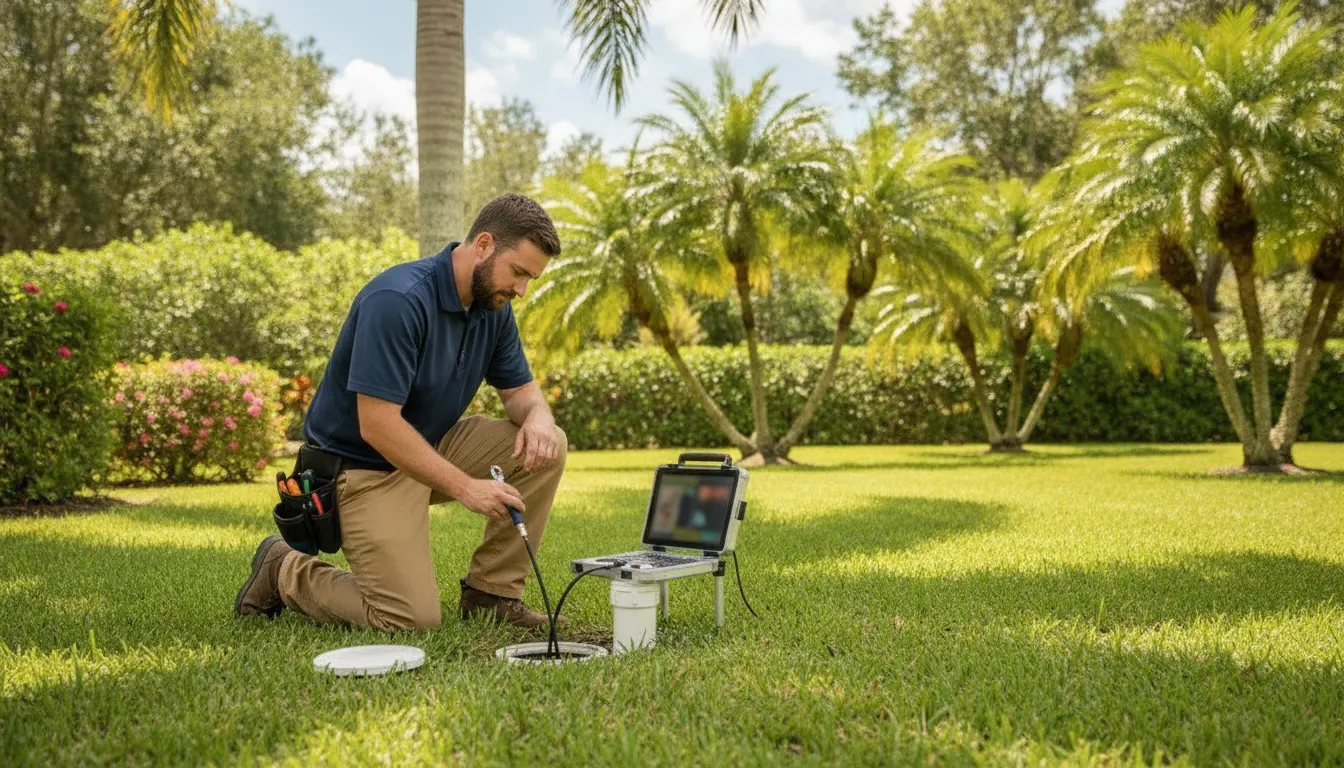
Preparation starts with understanding what is happening inside the line, not with choosing a trenchless method by default. Recurring backups, slow drainage in multiple fixtures, or other sewer symptoms can point to a main-line problem, but those signs do not reveal whether the pipe is cracked, settled, root-affected, obstructed, or collapsed. A camera inspection gives the repair team a view of the pipe and helps connect the symptoms to a specific condition.
We use a sewer line camera inspection to identify visible problems and determine where they occur. The inspection can show the pipe’s general condition, the location of damage, and the position of service connections. That information matters because a liner or replacement pipe must move through the line without being stopped by an obstruction or a severely offset section.
Cleaning and documenting the line
Before lining or another repair, the existing sewer is thoroughly cleaned. Hydro jetting may be used to remove buildup and clear the passage before repair. Cleaning exposes more of the pipe surface and helps the camera capture useful findings rather than filming through debris. Preparation also includes recording the locations of service connections, such as branches serving fixtures or other parts of a property.
Managing flow and planning access
If flow is high, it may need to be diverted while preparation and installation take place. The crew also plans how equipment will reach the line and where access is available. Trenchless work may use existing openings, such as manholes, or smaller insertion pits, but it can still require limited excavation. The access plan should account for the pipe route, connection points, surface conditions, and the needs of the household or business during the work.
Inspection findings ultimately determine suitability. Protruding laterals, severe offsets, collapsed sections, or significant root penetration may require a separate remote repair or an open-cut point repair before lining can proceed. In other cases, the condition and layout may favor pipe bursting or traditional replacement. A careful inspection and preparation sequence prevents the repair method from being selected on assumption alone.
How Does Trenchless Sewer Repair Work With Pipe Bursting?
Pipe bursting replaces a damaged sewer line by opening the existing pipe outward and pulling a new pipe into the space created behind it. The method uses the old line as a route for the installation equipment, so it may require less surface restoration than digging along the full pipeline. However, it is not automatically suitable for every property. The route, pipe condition, access points, nearby utilities, and connection layout all need to be evaluated first. The EPA pipe bursting fact sheet describes the basic process this way:
- Access points are planned and prepared. The crew identifies where equipment can enter and where the replacement pipe will be installed. Access may use existing openings, such as manholes, or smaller insertion and receiving pits. The amount and location of excavation depend on the property, the existing route, and the equipment required.
- A cable, winch, or pulling system is positioned. The installation system is aligned with the existing sewer. A bursting head is then pulled through the old pipe. At a high level, the equipment may use a static head that expands the pipe through pulling action, or a dynamic head that adds pneumatic or hydraulic force at the point of impact. The appropriate setup depends on site conditions, not a one-size-fits-all specification.
- The bursting head opens the old pipe. As the head moves forward, its expansion profile pushes the existing pipe outward until the old material breaks apart. This creates a path for the replacement pipe while displacing the broken pieces into the surrounding soil.
- The new pipe follows the bursting head. The replacement pipe is connected behind the bursting tool and pulled into the space as the tool advances. In that sequence, the old pipe is displaced and the new pipe occupies the route. Pipe bursting is therefore different from simply sliding a smaller pipe inside an intact host pipe.
- Connections are restored and the work is verified. The new line must be connected to the appropriate sewer sections and service laterals. The completed work should then be checked for alignment, flow, and connection performance, often with a follow-up camera inspection. If the route has severe bends, inaccessible sections, utility conflicts, or other limitations, another repair method or targeted excavation may be more appropriate.
How Does CIPP Pipe Lining Work?
Cured-in-place pipe (CIPP) lining creates a new pipe inside an existing sewer line, but the result depends on careful preparation. Before we recommend lining, we clean and televise the pipe so we can understand its condition, locate service connections, and identify anything that could prevent the liner from fitting correctly. The Iowa State CIPP overview describes this inspection and preparation sequence in detail.
1. The line is cleaned and inspected
Debris, buildup, roots, and protruding lateral connections can interfere with installation. Cleaning may include hydro jetting when appropriate. We also record where connected branch lines enter the sewer. If flow is high, it may need to be temporarily managed or diverted while the liner is installed. This is why a camera inspection is more than a formality: it helps establish whether the existing pipe can serve as a suitable host.
2. Obstructions are addressed before lining
CIPP is not a way to ignore a collapsed or severely distorted pipe. Protruding services, severely offset joints, collapsed sections, and tree-root penetration may require remote repair or a targeted open-cut repair before lining can proceed. If the host pipe cannot accept the liner, a different repair method, including excavation, may be more appropriate. We explain those limitations rather than treating every sewer problem as a lining candidate.
3. A custom liner is prepared
The liner is a flexible industrial-grade felt tube with an impermeable membrane. Its diameter and length are custom-made for the specific section being repaired. Before delivery, the felt is thoroughly wetted with a thermosetting resin. That resin later hardens and provides the liner’s structural strength.
4. The liner is inserted, inflated, and cured
The resin-saturated liner is pushed through the existing sewer. Air or water pressure holds it tightly against the host pipe while it cures. Once hardened, it forms a pipe within the original pipe, sealing cracks and creating a continuous interior surface. The curing approach and installation details depend on the liner system and site conditions, so we do not promise one universal schedule.
5. Connections are reopened and the work is verified
After curing, connected service lines that were covered by the liner must be located and carefully reopened. We then use inspection equipment to verify the finished passage and check that connections are open and the repaired section is functioning as intended. Severe offsets, collapse, roots, or other unsuitable conditions may change the scope before this stage. A clear inspection record helps Fort Myers property owners understand exactly what was repaired and what, if anything, still needs attention.
How Is the Right Trenchless Method Chosen?
Method selection starts with what the inspection shows, not with a preference for one installation technique. Trenchless rehabilitation can use the existing pipe as a host for a liner or replacement pipe, and access may come through existing openings or smaller insertion pits. That can reduce restoration and disturbance compared with digging along the full pipeline, but it does not make every sewer line a trenchless candidate.
| Method | What happens | Key limitation |
|---|---|---|
| CIPP lining | A resin-treated liner is positioned inside the existing pipe and cured to form a pipe within the host pipe. | Severe offsets, collapsed sections, protruding services, or other obstructions may need separate repair first. |
| Pipe bursting | A bursting tool breaks the old pipe outward while pulling a replacement pipe into the resulting space. | The route, access points, surrounding utilities, and soil conditions must support the installation. |
| Targeted excavation | A limited open-cut area exposes a specific damaged point for repair or connection work. | It creates more surface disruption at that location and may be necessary where trenchless equipment cannot address the defect. |
For lining, preparation includes cleaning and televising the sewer, recording service-connection locations, and addressing conditions that could interfere with the liner. The Iowa State CIPP guidance notes that severely offset joints, collapsed pipe, root penetration, or protruding services may require remote repair or an open-cut point repair before lining: review the CIPP preparation guidance. A final scope should also explain whether connections are being reopened, where access or surface work is needed, and what testing or camera verification will confirm the finished result.
We recommend asking for that scope in writing before work begins. It should identify the selected method, access points, connection work, surface restoration responsibilities, testing or final camera review, and any conditions that could change the plan. Our sewer line services include both traditional and trenchless options, so the recommendation can follow the verified condition of the line. With a fixed-price proposal, the agreed work is clearer before installation starts, while suitability remains a site-specific decision rather than a promise that one method fits every damaged pipe.
What Should Fort Myers Property Owners Ask Before Work Begins?
A trenchless plan should be specific to the property, the damaged section, and the way the sewer is used. Before we recommend a method, ask us to explain what the camera inspection found, where the problem begins and ends, and whether cracks, roots, settling, offsets, or a collapsed section affect the repair options. A commercial sewer line problems plan may also need to account for tenants, employees, customers, and peak operating hours.
What access and connections will the crew need?
Ask which existing cleanouts or manholes will be used and whether the project requires one or more small insertion or receiving pits. Trenchless does not mean that no digging occurs. It means the work may use existing openings or limited access points instead of excavating the entire length of the line, which can reduce restoration in suitable conditions. The EPA describes these openings and smaller pits as common access routes for trenchless rehabilitation: EPA trenchless sewer rehabilitation guidance.
Also ask how branch connections will be located and handled. For lining, service connections must be identified before installation, and obstructions such as severe offsets, protruding services, collapsed pipe, or root penetration may require separate work. Confirm how the crew will protect driveways, walkways, landscaping, flooring, and nearby structures, and who is responsible for restoring any areas that must be opened.
How will sewer use be managed and verified?
Ask whether water or sewer use must pause during any part of the work, how that interruption will be communicated, and what alternatives are available for a business or occupied rental property. If flows are high, they may need to be diverted while a liner is installed. Before the crew leaves, request a final camera view or other appropriate testing that confirms the repaired section is open, connected, and flowing as expected.
What is included if trenchless is not suitable?
Request a written, fixed-price scope that names the proposed method, access points, included preparation, branch reconnections, surface protection, testing, and any exclusions. Our fixed-price approach is designed to make the scope clear before work begins, not to promise that every property qualifies for trenchless repair. If the pipe condition, alignment, access, or surrounding constraints rule out lining or bursting, ask what targeted excavation or traditional replacement would involve and why.
For a second planning resource, see our trenchless sewer line replacement guide. It can help you organize questions before we review the specific conditions at your Fort Myers property.
Call (239) 785-9022 to discuss your sewer line options.
Frequently Asked Questions
Does trenchless sewer repair require digging?
Usually, some access is still needed, but trenchless work does not typically require excavation along the entire pipe. Crews may use existing manholes or smaller insertion pits, which can reduce surface disruption and restoration compared with dig-and-replace. See the EPA pipe bursting fact sheet.
How do you know if a sewer line can be lined?
We first clean and televise the line, identify service connections, and assess the condition and shape of the host pipe. A liner is not automatically suitable for every failure, so the inspection findings and access conditions determine whether lining is a practical option. Preparation guidance is described by Iowa State University.
What happens during pipe bursting?
A bursting head is pulled through the existing line, breaking the old pipe outward and creating space for a replacement pipe. The new pipe follows behind the tool and fills that space. The exact equipment and access plan vary with the property and existing pipe conditions.
How is trenchless sewer repair verified when it is finished?
We can use a final camera inspection to review the completed line and confirm that the repaired path is open and functioning as expected. We also review connections and the agreed scope with the property owner. Final verification should be based on the actual site, not an assumed result.
Will my yard or driveway be disturbed?
Possibly, but the disruption is often limited to access points and connection work rather than a continuous trench. Landscaping, hardscape, property layout, pipe depth, and the selected method all affect restoration needs. We explain the expected access and surface work before proceeding.
Schedule a Sewer Line Evaluation
Every trenchless repair project starts with understanding the existing line, access points, and the options that fit the property. We can explain the evaluation findings, outline the repair approach, and review the scope clearly for your Fort Myers-area home or business. For a straightforward next step, call Whiskey Creek Plumbing to schedule a sewer line evaluation and discuss trenchless repair options.