
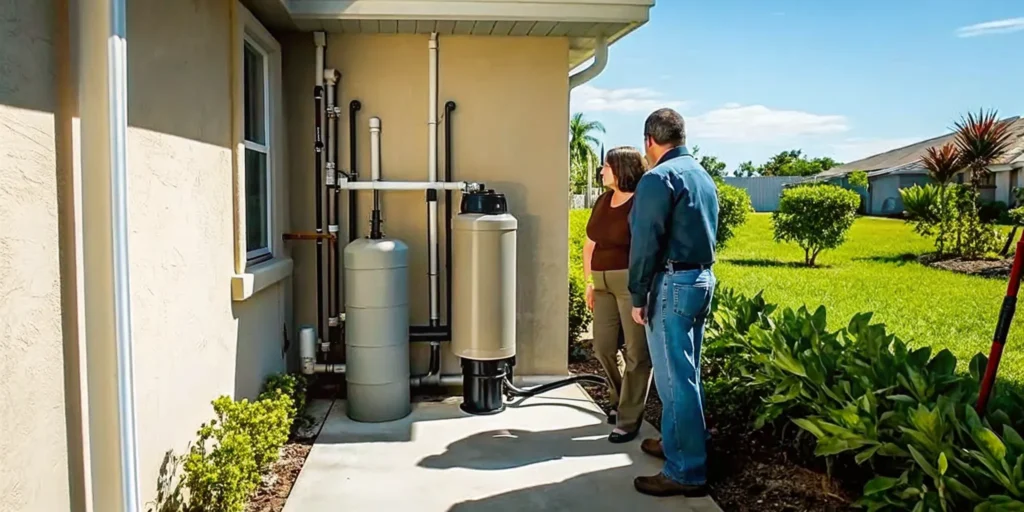
A dry faucet or sputtering tap may signal a well pump problem, but the cause is not always obvious.
To fix a well pump safely, begin with observations rather than repairs. Check whether every fixture has the same problem, note unusual sounds, and look for visible leaks from a safe distance. You may look at the labeled breaker, but do not repeatedly reset it. Never open a pressure switch, touch wiring, pull a pump, or work near wet electrical equipment. Stop and call a professional when you notice burning odors, sparks, flooding, repeated breaker trips, contaminated water, or an unexplained loss of supply.
Every well system has its quirks, but your safety is always the top priority when handling electric gear and water lines. Learning How to fix a well pump safely: start with simple checks is the best way to prevent injuries and avoid costly mistakes. The path begins with
Safe first steps before you troubleshoot
- Confirm whether the problem affects every fixture or only one.
- Listen for unusual pump sounds and note when they occur.
- Look for visible leaks from a safe, dry distance.
- Stop if you see damaged wiring, flooding, sparks, or burning marks.
- Call a professional when these observations do not reveal a simple cause.
Fix A Well Pump: What does each well pump symptom mean?
A well pump is the heart of your home water system. When it starts to fail, you will notice signs in your faucets and pipes. Most people first see a drop in water pressure or hear odd noises. In Fort Myers, where many homes use private wells, catching these signs early can save you from a “no water” crisis. Knowing what each sign means helps you decide when to fix a well pump or call for help. Our team at Whiskey Creek Plumbing sees these common issues every day in Lee County.
Low water pressure and no water
Low water pressure is often the first sign of a pump problem. If your shower feels weak or the sink takes longer to fill, the pump may struggle to pull water. This can happen if the motor is old or if the well water level is low. A total loss of water often means the pump has stopped or the pressure switch has failed. Before you worry, check your main breaker box. A tripped breaker is a common cause for a pump that will not start.
According to the CDC, you should have your well system checked once a year by a pro. This helps find small leaks or motor wear before they turn into a full system crash. In some cases, low pressure comes from a leak in the pipe that goes down into the well. This pipe is called the drop pipe. If it has a hole, water leaks back into the well instead of going to your house.
Air sputtering and rapid cycling
If your faucets spit air when you turn them on, it is a sign of air in the lines. This often happens if the water level in the well drops below the pump intake. It can also mean there is a crack in the pipe that pulls water up. This “spitting” is hard on your pipes and can lead to leaks if you do not fix it soon. In Southwest Florida, a dry spell can cause the water table to dip, leading to this exact problem.
Rapid cycling is when the pump turns on and off very fast. You might hear the pump click every few seconds while you run a tap. This is often a sign of a “waterlogged” pressure tank. The tank needs a pocket of air to work well. If the air escapes, the pump must run every time you use a drop of water. This fast on-and-off motion will burn out a pump motor quickly. If you hear this clicking, turn off the water and call a pro to check the tank.
Noises and dirty water
Well pumps should run with a steady, quiet hum. If you hear grinding, clicking, or rattling, the motor bearings may be failing. Sand or grit in the water can also cause these sounds as they wear down the pump parts. If you see sand or dirt in your sinks, your pump may sit too low in the well. It could pull up sediment from the bottom. This grit acts like sandpaper on the internal parts of your pump.
| Symptom | Likely Cause | Risk Level |
|---|---|---|
| No water | Power loss or pump failure | High |
| Low pressure | Worn pump or pipe leak | Medium |
| Rapid cycling | Bad pressure tank | High |
| Spitting air | Low water level or pipe crack | Medium |
| Dirty water | Sediment or failing well screen | Medium |
| Loud noises | Failing motor or grit in pump | Medium |
If you see these signs, it is best to act fast. Small fixes like a new pressure switch or a tank recharge are much cheaper than a full pump swap. At Whiskey Creek Plumbing, we offer upfront, fixed pricing so you know the cost before we start. Whether you live in Cape Coral, Estero, or Fort Myers, we can help you keep your water flowing with a reliable well system.
Which power checks are safe for homeowners?
When you need to fix a well pump, the first thing to check is the power supply. Electrical issues are common but can be very dangerous if you do not follow safety rules. Homeowners should only perform basic visual checks to avoid the risk of severe shocks or equipment damage. Never touch exposed wires or try to open electrical panels if you are not trained to do so.
Safe visual inspections
You can safely look at your main electrical panel to see if a circuit breaker has tripped. A tripped breaker will usually sit in the middle position between on and off. If you see this, you can try to reset it once by flipping it fully off and then back to the on position. Do not keep resetting a breaker that flips off right away, as this often means there is a short circuit or a motor fault that needs professional care.
You should also look for a dedicated power switch near your well head or pressure tank. Many systems have a gray or red switch box that acts as a local shut-off. Ensure this switch is in the on position. According to the EPA, you must turn off all power to the well if the area has flooded or if the equipment is sitting in standing water. Water conducts electricity, which creates a high risk for anyone standing nearby.
Dangerous tasks to avoid
There are several tasks that homeowners must never try on their own. You should never remove the cover from a pressure switch or a pump control box while the power is connected. These components contain high-voltage terminals that can cause fatal injuries with just a light touch. Also, do not try to pull the well cap or touch the wiring that goes down into the well casing. These wires are often brittle from age and can break or short out easily. If the wires are worn, it is best to consult a guide or call a pro.
If you smell smoke or see burnt marks on any electrical parts, stay away from the system and call for help. Using the wrong tools or touching live parts can turn a simple repair into a life-threatening event. Stick to looking for simple signs of power loss and leave the technical testing to those with the right gear. Safety must always come first when you deal with the high power needed to run a water well pump.
What can the pressure tank tell you?
The pressure tank is a key part of your well system that works with the pump to keep water flowing. It holds a supply of water under pressure so the pump does not have to start every time you turn on a tap. When the tank has a problem, it often sends clear signs through your pipes and faucets. Learning to spot these clues can help you find a problem before it leads to a total loss of water in your home.
Listen for rapid cycling noises
One of the most common signs of a bad pressure tank is rapid cycling. This happens when the pump turns on and off very fast while you use water. You might hear a clicking sound near the tank every few seconds. This often means the tank is “waterlogged.” A tank needs a large pocket of air to push water through your home. If that air is gone, the pump must do all the work on its own. This constant starting and stopping can wear out the pump motor in a very short time.
If you hear this clicking, you should turn off the power to your pump and call for help. Running a pump that cycles too fast is one of the quickest ways to ruin a good motor. In Fort Myers, where the heat can put stress on equipment, keeping the pump from overworking is key. According to the CDC, keeping your well system in good repair is part of being a safe well owner. A healthy tank should allow the pump to stay off for at least a minute while water is running.
Check the pressure gauge behavior
You can also learn a lot by watching the pressure gauge on the pipe near your tank. Most systems in Southwest Florida are set to run between 30 and 50 pounds per square inch (psi) or 40 and 60 psi. When you use water, the needle should drop slowly until it hits the low limit. Then the pump should start and the needle should rise back to the high limit. If the needle bounces up and down very fast, it is a sign that the tank cannot hold its pressure.
A steady gauge usually means the air and water inside the tank are in balance. If the pressure drops to zero and stays there, you have a big leak or a failed pump. The EPA says that well owners should watch their systems to protect their water supply. While you can watch the gauge, you should never try to add air or change the settings yourself. These tanks hold high pressure and can be dangerous if the valves are not handled the right way.
Watch for leaks and rust spots
A simple check around the base of the tank can also show issues. Look for wet spots on the floor or rust on the tank body. In our damp Florida air, metal tanks can rust through over many years. Even a tiny leak can cause the pump to run more than it should. If the tank is cold and covered in sweat, it might be a sign of a small leak or a failing part. A leaking tank cannot be fixed and will always need a new one to protect the rest of your system.
When you see these signs, it is time to fix a well pump or tank issue before it gets worse. At Whiskey Creek Plumbing, we help families in Lee County with honest advice and fixed prices. We can test your tank and let you know if it needs a simple fix or a full swap. Keeping your tank in top shape is the best way to make sure your pump lasts for its full life span.
What do changes in water quality reveal?
A well pump problem does not always begin with a complete loss of water. Sometimes the first warning is a change at the faucet. Sediment, cloudiness, discoloration, unusual odors, or spurting air can indicate that the pump system or well needs professional attention. These symptoms are useful clues, but they are not a reason to open equipment or attempt an internal repair.
Watch for sediment and discoloration
Sand, grit, or visible particles may mean the system is drawing sediment or that another well component is no longer working as intended. Brown or cloudy water can have several possible causes. Avoid assuming that running the water longer will solve it. Note when the change began, which fixtures are affected, and whether it followed a storm or another event.
Take odors and questionable water seriously
If the water suddenly smells unusual, looks contaminated, or has changed in a way you cannot explain. Do not drink or cook with it until it has been evaluated. A pump issue can overlap with water-quality concerns, and appearance alone cannot confirm that water is safe. Keep children and pets away from questionable water, then contact a qualified professional for guidance.
Listen for air at the fixtures
Spitting or sputtering faucets may show that air is entering the water system. It can occur alongside low pressure or an interrupted supply. Record whether it happens at every fixture or only one. If it affects the whole property or continues, arrange a professional inspection rather than trying to prime, adjust, or dismantle the pump yourself.
Water-quality changes give a technician valuable diagnostic information. Share photos, timing, affected fixtures, and any recent storms or power interruptions when you schedule service. That information can help narrow the inspection while keeping your troubleshooting safe.
When should you stop troubleshooting and call a plumber?
Trying to fix a well pump on your own can save cash. You can often check the power or reset a breaker. But there is a point where DIY work becomes unsafe.
Knowing when to stop will keep your home safe. It stops small issues from growing. If you are in over your head, call us at (239) 785-9022.
Signs of electrical trouble
Power and water do not mix well. If you smell something burning near your pump, stop at once. This smell often means a wire is too hot or the motor has failed.
Do not approach exposed, frayed, or damaged wires. Stay away from the equipment and call a professional, especially when the area is wet.
A breaker that trips over and over is a sign of trouble. You can flip the switch once, but do not keep doing it. This means there is a short or the motor is pulling too much power.
Doing this again can ruin the pump or start a fire. It is best to call for professional water well repair services. We can find the root cause for you.
Water quality and health risks
Your well water should stay clear and clean for your family. Owners of private wells are in charge of their own water safety.
If your water looks cloudy or smells like eggs, you have a problem. This may mean the pump is sucking up mud or sand from the bottom of the well.
Look for air bubbles coming out of your taps. If your sink spits air, the pump may sit too high. It could also mean the water level in the ground has dropped.
The EPA says to test your well water right away if the taste or smell changes. It is a good idea to keep a log of your tests. This helps you spot small changes before they become big risks.
Repeated cycling or no water
A pump that runs all the time is under a lot of stress. This is called rapid cycling. It often happens when the tank loses air or the switch is stuck.
If you have tried to fix the switch and it still acts up, call an expert. Running a pump this way will wear it out fast. It can lead to a total pump failure.
Total loss of water is the biggest sign that you need help. You might have a dry well, a broken pipe, or a dead motor.
Finding the leak or pulling a pump takes special tools and big crews. We offer fixed pricing so you know the cost before we start. A quick call can get your home back on track.
Check the area around your well and tank for standing water. A leak in the pipe can cause the ground to stay wet even when it is sunny. This wastes water and makes your pump work too hard.
Flooding near the well head is also a major risk. If heavy rain covers the top of the well, dirt and germs can get into your drinking water. You should test the water after any flood.
- Frayed wires or burnt smells near the pump.
- Breakers that trip more than once.
- Water that is brown, sandy, or smells bad.
- Air spitting out of your faucets.
- Puddles of water forming near the well head.
- The pump runs non-stop without building pressure.
How can you prevent another well pump problem?
Stopping a failure before it starts is the best way to save money and stress. While some parts wear out over time, good habits can help your system run for many years. You can avoid a sudden need to fix a well pump by being alert. Watch how your water feels and sounds each day.
Watch for early warning signs
Most pump issues do not happen out of nowhere. You might notice low water pressure or hear the pump click on and off more than usual. These common water pump symptoms often signal that a small part is starting to fail. If you catch these signs early, you might only need a minor repair instead of a full pump swap.
Keep an eye out for these red flags that mean you need a quick check:
- Taps that spit or spray air.
- Cloudy or muddy water in your sinks.
- A pump that runs all the time.
Protect the area around your well
The ground around your well casing plays a big role in how well your pump works. You should keep the area clear of tall grass and weeds. This helps you spot leaks or cracks in the casing before they turn into big leaks. Clear space also makes it much easier for a pro to reach the system when you need help.
You should also make sure the land slopes away from the well head. This prevents rain from pooling near the pipe and soaking into the soil. Surface water can carry dirt or waste down into your water source. The CDC says that proper well care and building help keep germs out of your tap water. Keeping the ground dry and clean is a simple step to protect your home.
Test your water and system each year
Since you own your well, you are the one who must make sure the water is safe to drink. Setting a schedule for a yearly check is a smart move for any owner. A pro can look at the pressure switch and the tank to make sure every part is in good shape. This check can find small leaks or worn wires that might cause the pump to stop later.
You should also test your water for germs and salts at least once a year. If you have done any big work on the system, you should test the water right away to ensure it is safe. Regular tests help you track changes in your water over time. This info is very helpful if you ever need to find the fix for a new problem or plan for an upgrade.
Frequently Asked Questions
How do I troubleshoot a well pump that does not start?
First, confirm whether every fixture has lost water. From a dry and safe location, look at the labeled breaker and note whether it is tripped. Do not repeatedly reset it, touch wiring, open the pressure switch, or move any switch lever. If the cause is not obvious after these external observations, call a professional.
Why is my well pump cycling on and off frequently?
Frequent cycling usually means there is a problem with the pressure tank. The tank might be waterlogged, which happens when there is not enough air inside to push the water. This forces the pump to turn on too often. This extra work can wear out the motor fast. A typical well pump lasts about 8 to 15 years, but constant cycling will make it fail much sooner.
How can I fix a well pump pressure switch?
Pressure-switch service is not a safe homeowner task because the switch contains electrical components and may be near water. Do not remove its cover, clean contacts, move a lever, or replace the switch yourself. A plumber can test the switch, identify the underlying cause, and complete any required repair safely.
When should I call a professional to fix a well pump?
You should call a pro if you see sparks, smell smoke, or hear loud grinding noises. Electrical tasks and pulling a deep pump out of the ground are dangerous jobs for most homeowners. If simple checks do not work, call us at (239) 785-9022 for expert help. Whiskey Creek Plumbing offers fixed prices on all repairs. This means you will know the cost before the work starts, keeping your budget safe.
Ready to book expert water well repair for your home?
Leaving well pump issues now can lead to much larger problems like a total loss of water for your home. This can leave you without a way to wash or cook during a hot Florida week. Taking care of these small repairs today means you can avoid the high cost and the long wait of an urgent job. Our local team will find the root cause fast and get your well system back to its best state. Starting the work now helps you skip the stress of a dry well and keeps your water flowing. We work hard to make sure your family has the clean water they need for every part of the day. You can trust our crew to handle the work with care and get your home back to normal fast.
Ready to get your water back? Call (239) 785-9022 to book expert water well repair.
