
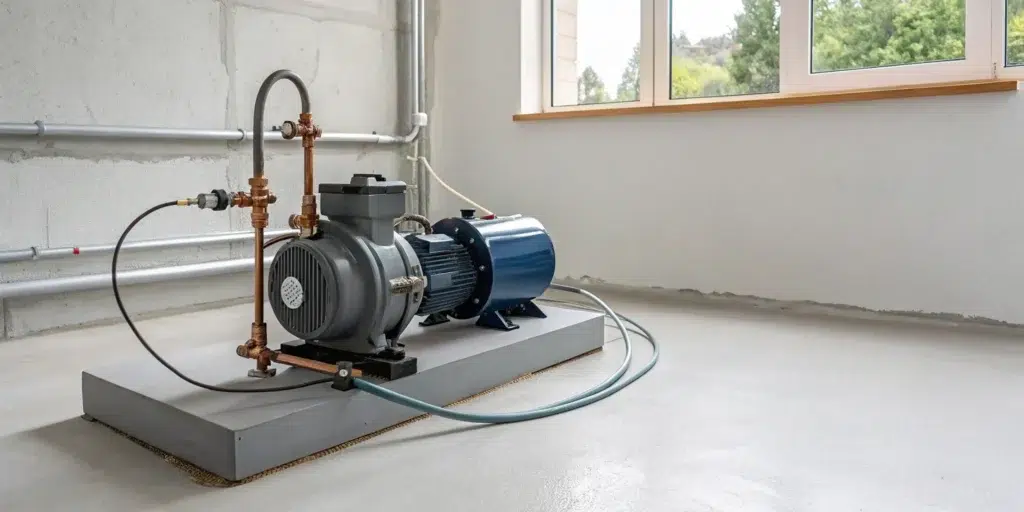
Is your shower pressure weaker than it used to be? Have you noticed strange grinding noises coming from your basement or pool equipment? These little annoyances are often the first signs that your water pump is in trouble. A failing pump rarely breaks down without warning, but you have to know what to look for. Ignoring these clues can lead to a much bigger problem, like a flooded basement or a complete loss of water. This guide is designed to help you become your own first line of defense. We’ll cover the common symptoms of a failing water pump, simple maintenance you can do yourself, and how to know when it’s time to call in a professional for help.
Need a Plumber in Fort Myers?
Whiskey Creek Plumbing has delivered five-star, fixed-price plumbing services to Southwest Florida homeowners and businesses 25 years of experience, proudly serving Lee County and surrounding areas since 2022. No surprises — just guaranteed work.
Locally owned & operated · Fixed-price guarantee · 25 years of experience, proudly serving Lee County and surrounding areas since 2022
Key Takeaways
- Proactive maintenance prevents surprise repairs: Simple, regular habits like checking for leaks, cleaning filters, and listening for odd noises can significantly extend your pump’s life and help you avoid costly breakdowns.
- Recognize the signs of a failing pump: A drop in water pressure, strange grinding sounds, constant on-and-off cycling, or an unexplained rise in your energy bill are all clear indicators that your pump needs attention.
- Know when to call a professional: While you can handle simple maintenance like cleaning filters, it’s crucial to call a plumber for complex issues; problems involving electrical components, significant leaks, or internal mechanical noises require expert diagnosis to ensure a safe and effective repair.
What Is a Water Pump?
At its core, a water pump is a device that moves water from one place to another. Think of it as the heart of your home’s water system, working behind the scenes to deliver water exactly where you need it, when you need it. From the well that supplies your drinking water to the system that keeps your pool sparkling clean, pumps are the unsung heroes of modern plumbing. They come in all shapes and sizes, each designed for a specific job.
Whether you live on a property with a private well or have a pool in your backyard, you rely on these machines every day. Understanding what they are and how they function is the first step toward keeping your home’s water flowing smoothly. When a pump works correctly, you barely notice it; but when it fails, it can bring your daily routine to a halt. That’s why knowing a little about your home’s pump and valve systems can save you a lot of headaches down the road.
How does a water pump work?
A water pump works by using a motor to power an impeller, which is a small, spinning rotor. As the impeller spins, it creates a vacuum that draws water into the pump. That same spinning motion then generates pressure, pushing the water out and through your plumbing system. For most homes, this process delivers water pressure between 45 and 60 PSI (pounds per square inch), which is perfect for everything from a strong shower to running the dishwasher. The entire operation is a simple but powerful exchange of energy that makes modern plumbing possible.
Common uses for water pumps
You might be surprised by how many water pumps are working in and around your home. They are versatile tools with a wide range of applications. One of the most common uses is in a well system, where a pump brings groundwater up into your house. Another is a sump pump, which sits in your basement or crawl space to prevent flooding by removing standing water. If you have a pool, you have a pump that circulates water through the filter to keep it clean. Other uses include powering irrigation systems for your lawn, boosting low water pressure, and draining large amounts of water, like emptying a hot tub. Each of these tasks requires a specific type of pool equipment or residential pump to get the job done right.
Common Types of Water Pumps
Water pumps come in all shapes and sizes, and each one is built for a specific task. Think of them as the heart of your water system, whether that system is bringing fresh water into your home or keeping your basement dry. Understanding the different types can help you spot issues and know what you’re working with. From the pump deep inside your well to the one keeping your pool sparkling, each has a unique job. Let’s walk through the most common pumps you’ll find in and around your home.
Submersible pumps
Just like the name suggests, these pumps are designed to work while fully underwater. You’ll typically find them in deep wells or at the bottom of a sump pit in a basement. Because they are submerged, they push water to the surface rather than pulling it. This design also makes them quiet since they operate below ground or under the water. According to the U.S. Department of Energy, submersible pumps are often more efficient than other types for deep wells. They are versatile workhorses, capable of handling everything from clean drinking water to drainage, making them a popular choice for both homes and businesses.
Centrifugal pumps
Centrifugal pumps are one of the most common types you’ll encounter. They use an impeller, which looks like a fan, to spin and throw water outward using centrifugal force. This action increases the water’s velocity and pressure, pushing it through the pipe. Their simple design and ability to move large volumes of water efficiently make them perfect for a wide range of applications. You’ll often see them used for home water pressure, irrigation systems, and circulating water in heating and cooling systems. They are reliable and relatively low-maintenance, which is always a plus for any homeowner.
Diaphragm pumps
While less common in typical home settings, diaphragm pumps are incredibly useful for specific jobs. These are a type of positive displacement pump, meaning they use a flexible diaphragm that moves back and forth to pull in and then push out fluid. This mechanism makes them excellent for handling thick or viscous fluids, and even liquids containing solids, without getting clogged. Industry guides note that diaphragm pumps are known for their ability to handle slurries and corrosive fluids, which is why they are a go-to in more specialized industrial or agricultural applications.
Well pumps
If your home gets its water from a private well, a well pump is your lifeline. As the National Ground Water Association points out, well pumps are essential for any home that relies on groundwater. There are two main types: submersible pumps, which are placed down inside the well, and jet pumps, which are located above ground. The right one for you depends on how deep your well is. Ensuring your well pump is working correctly is key to maintaining consistent water pressure and a reliable water supply. If you’re having issues, our team handles all kinds of pump and valve services.
Sump pumps
A sump pump is your first line of defense against a flooded basement. Located in a basin, or sump pit, in the lowest part of your basement or crawlspace, these pumps automatically turn on to remove water that has accumulated. The American Society of Home Inspectors emphasizes that sump pumps are vital for homes in flood-prone areas, which is something we know all about here in Florida. A functioning sump pump protects your home’s foundation and prevents costly water damage, giving you peace of mind when the storms roll in.
Pool pumps
If you have a swimming pool, the pool pump is the heart of its circulation system. It pulls water from the pool, pushes it through a filter, and then sends the clean water back. This constant circulation is what keeps your pool water clear, safe, and free of algae and debris. As pool and spa professionals will tell you, pool pumps are essential for maintaining a healthy swimming environment. At Whiskey Creek Plumbing, we know how important a functional pool is in the Florida heat, which is why we offer expert services for all your pool equipment.
Water Pump Applications: Home vs. Business
A water pump’s job is simple: move water from one place to another. But the specific demands placed on a pump can vary wildly. A pump that keeps your basement dry is very different from one that irrigates an entire farm. Understanding the key differences between residential and commercial applications will help you appreciate the specific needs of your own property and ensure you have the right equipment for the job. Whether you’re a homeowner or a business owner, the goal is the same: reliable water management.
Residential uses
In a home setting, water pumps are the unsung heroes of your daily routine. If you get your water from a well, a well pump is essential for providing safe, clean drinking water to your entire house. For good water pressure during daily tasks like showering while the dishwasher is running, your pump should deliver around 45 to 60 PSI. Other common household pumps include sump pumps, which protect your basement from flooding, and pool pumps, which are crucial for circulating and filtering water to keep your pool sparkling clean. These pumps are designed for the typical demands of a family, balancing performance with energy efficiency.
Commercial and industrial uses
Commercial water pumps are built for bigger jobs and tougher conditions. Think about a construction site that needs to clear standing water after a heavy rain, or a farm that requires large-scale irrigation. These scenarios call for heavy-duty pumps that can handle not just water, but also debris, sludge, and sometimes even chemicals. Unlike residential pumps that mostly move clean water, commercial pumps are often categorized as “trash” or “semi-trash” pumps, designed specifically to pass solids without clogging. These workhorses are built for durability and continuous operation, making them essential for many business and industrial plumbing services.
Signs Your Water Pump Is Failing
Your water pump is one of those things you probably don’t think about until it stops working. Luckily, pumps rarely fail without giving you a few hints first. Paying attention to these warning signs can help you catch a small problem before it turns into a no-water emergency. If you notice your pump acting differently, it’s a good idea to investigate. From strange sounds to a sudden spike in your electric bill, your pump has ways of telling you it needs help. Knowing what to look for can save you from the stress of a complete system failure and an unexpected, costly replacement. If you suspect an issue, our team at Whiskey Creek Plumbing is always ready to help with pump and valve services.
Strange noises or vibrations
One of the first signs of trouble is often a sound that just isn’t right. Your water pump should operate with a consistent, low hum. If you start hearing new noises like grinding, screeching, or loud clanking, it’s a clear signal that something is wrong inside the pump. These sounds can indicate worn-out bearings, debris caught in the impeller, or other mechanical failures. Similarly, if you feel excessive vibrations coming from the pump, it could mean the unit is loose on its mount or that internal parts are unbalanced. Don’t ignore these auditory clues; they are your pump’s way of crying out for help.
Weak water pressure
Is your morning shower more of a disappointing drizzle than a powerful spray? A noticeable drop in water pressure is a classic symptom of a failing water pump. A healthy pump should maintain steady pressure, typically between 45 and 60 PSI for most homes. When a pump starts to wear out, it loses its ability to push water through your pipes effectively. This can manifest as weak flow from faucets, sprinklers that don’t spray as far, or appliances like your washing machine taking longer to fill. If your water pressure isn’t what it used to be, your pump is likely the culprit.
Pump cycles on and off constantly
If your water pump turns on and off frequently, even when you aren’t using water, it’s a condition known as short cycling. This is a major red flag. Short cycling can be caused by a variety of issues, including a loss of air pressure in the tank, a faulty pressure control switch, or a leak in your plumbing system. Not only is the constant clicking sound annoying, but this rapid on-and-off action puts immense strain on the pump’s motor. This extra wear and tear can lead to overheating and cause the pump to fail much sooner than it should.
Visible leaks or rust
A quick visual inspection of your water pump can tell you a lot about its health. If you see puddles of water around the base of the pump, it’s an obvious sign of a leak. Leaks can come from failing seals, gaskets, or even a crack in the pump’s housing. You should also look for signs of corrosion or rust on the pump itself. Rust indicates that moisture is present where it shouldn’t be, which can compromise the pump’s structural integrity and lead to bigger problems. Regularly checking for these visible signs is a simple way to stay ahead of a potential pump failure.
Higher energy bills
Have you noticed your electricity bill creeping up for no apparent reason? Your water pump could be the silent energy vampire. As a pump’s components wear down, it becomes less efficient. It has to work harder and run longer to maintain water pressure, which means it consumes more electricity. If your water usage habits haven’t changed but your energy costs are rising, it’s worth investigating your pump’s performance. A modern, efficient pump is designed to save you money, so a sudden spike in costs is a strong indicator that your old pump is struggling.
Overheating
A water pump that is hot to the touch is a serious warning sign that should be addressed immediately. While it’s normal for a motor to be warm during operation, it should never be too hot to comfortably touch. Overheating is often a symptom of the pump being overworked, perhaps due to constant short cycling or being under too much strain from a clog. This excessive heat can permanently damage the motor’s internal components and even create a fire hazard. If your pump is overheating, turn it off and call a professional plumber to diagnose the problem safely.
How to Choose the Right Water Pump
Picking a new water pump can feel like a big decision, but it doesn’t have to be overwhelming. The key is to think of it as finding the right tool for a specific job. A pump that’s perfect for your neighbor’s small well might not work for your pool. By focusing on a few key factors, you can find a reliable and efficient pump that meets your needs and saves you from future headaches. Let’s walk through what you need to consider to make a confident choice.
Match the pump to the job
Before looking at any models, the first step is to define what you need the pump to do. Are you pulling water from a well, keeping your basement dry with a sump pump, or circulating water in your pool? Each task requires a different type of pump. Once you know the type, think about your household’s daily water demand. Consider how many bathrooms you have, how many people live in your home, and if you need water for outdoor tasks like gardening. A pump for a small family will have different requirements than one for a larger home with multiple appliances often running at once.
Compare key specifications
When you start comparing pumps, you’ll see two key specs: PSI (pounds per square inch) and GPM (gallons per minute). Think of PSI as the pressure or force of the water, which affects how strong your shower feels. GPM refers to the flow rate, or how much water the pump can move in a minute. For most homes, a water pressure between 45 and 60 PSI is ideal for daily use. To ensure you have good water pressure when multiple fixtures are running (like a shower and a dishwasher), look for a pump that can deliver at least 8 to 12 GPM.
Check for energy efficiency and quality
A water pump is a long-term investment, and its energy use can impact your monthly bills. Look for models with an ENERGY STAR certification, as these are designed to perform efficiently and can lead to significant savings over the pump’s lifespan. Quality is just as important. If the pump is for your home’s drinking water, make sure it’s made from non-toxic, rust-proof materials and is certified for potable water use (NSF-certified). Investing in a high-quality, efficient pump from the start is always more cost-effective than dealing with frequent repairs and high energy costs later.
Consider durability and materials
In a climate like ours here in Fort Myers, durability is non-negotiable. Your water pump will be exposed to moisture and humidity, so you need one built to last. Look for pumps constructed from corrosion-resistant materials like stainless steel or heavy-duty cast iron. These materials help prevent rust and degradation, extending the life of your pump and ensuring it continues to operate safely and effectively. A well-built pump is a reliable one, giving you peace of mind that your water supply will remain consistent when you need it most.
Ensure proper sizing
Proper sizing is about more than just the physical dimensions of the pump. It means matching the pump’s capacity to both your home’s water demand and your water source’s capabilities. For example, if you have a well, the pump’s flow rate should not exceed the well’s recovery rate. A pump that is too powerful can over-pump the well, causing damage and potentially pulling in sediment. On the other hand, an undersized pump will struggle to keep up with your needs, resulting in weak pressure. This is where professional guidance from our team at Whiskey Creek Plumbing can be invaluable to ensure a perfect match.
How Much Does a Water Pump Cost?
Figuring out the cost of a new water pump can feel a bit like a guessing game. The final price tag isn’t just about the pump itself; it’s a combination of the pump type, its features, and the specifics of your property. The price of the unit is one thing, but you also have to account for installation and any additional parts your system might need. Let’s break down what you can expect to pay and the key factors that will influence your total investment.
Typical price ranges by pump type
Water pump prices can vary quite a bit, generally falling somewhere between $150 and $1,300 for the unit alone. On the lower end, you’ll find smaller, simpler pumps like those used for transferring water from a flooded basement. As you move up in price, you get into more specialized and powerful models. For example, a durable submersible well pump or a high-performance pool pump will sit at the higher end of that range. The key is to match the pump to the job, so you’re not overpaying for features you don’t need or under-powering a critical system.
Factors that affect the final cost
The sticker price of the pump is just the starting point. Several other factors will shape the final cost. For instance, if you have a low-producing well, you might need a large pressure tank to store water, which adds to the expense. The pump’s specifications, like its horsepower and flow rate, also play a big role; a more powerful pump will naturally cost more. Finally, don’t forget about installation. Professional installation ensures your pump works correctly and safely from day one, making it a crucial part of the overall budget for any new pump and valve services.
How to Prevent Common Water Pump Problems
A little proactive care can go a long way in keeping your water pump running smoothly and avoiding surprise repairs. Most common pump problems are preventable with some simple checks and maintenance. By paying attention to potential issues like clogs, overheating, leaks, and noise, you can extend the life of your pump and ensure it operates efficiently. Here’s how you can get ahead of these common headaches.
Preventing clogs and debris
Clogs are a primary cause of pump failure, especially for pool and well pumps. Debris like leaves, sediment, and dirt can block the intake, forcing the pump to work harder and eventually burn out. Make it a habit to inspect and clean the pump’s intake screen and filter regularly. For an extra layer of protection, especially if you have hard water or a well, installing a sediment filter can catch tiny particles before they ever reach the pump. Keeping the area around your pool equipment clear is a simple first step to prevent clogs.
Avoiding overheating and vibrations
If your pump is shaking or feels hot to the touch, it’s a clear sign of trouble. Overheating and excessive vibrations often point to an installation issue or internal wear. Ensure your pump is installed on a solid, level surface to minimize movement. It’s also important that the pump is correctly sized for its job; an undersized pump will overwork itself. Regularly checking the pump’s bearings and lubrication can also prevent friction that leads to overheating. Proper pump and valve services from a professional can ensure your setup is correct from the start.
Dealing with leaks and seal failures
Even a small leak can signal a big problem. Leaks not only waste water and cause damage but also reduce your pump’s efficiency. Worn-out seals and gaskets are the usual suspects. Take a look at your pump’s seals and connections every few months to check for drips or signs of wear, like cracking or brittleness. If you spot a problem, it’s best to replace the worn parts right away to prevent a minor drip from turning into a major flood. If you suspect a hidden issue, professional leak detection and repair can pinpoint the source without guesswork.
Reducing noise
While no water pump is completely silent, loud or unusual noises often mean something is wrong. If the noise is from vibration, placing the pump on a vibration isolation pad can absorb the movement and quiet things down. For general operational noise, especially if the pump is near a living area, a soundproof enclosure can make a big difference. However, if you hear new grinding or screeching sounds, it’s time to investigate further, as this could indicate failing bearings or debris inside the pump. When in doubt, having a trusted local plumber take a look is always a smart move.
Simple Water Pump Maintenance Tips
A little proactive care can go a long way in extending the life of your water pump and preventing surprise breakdowns. These simple maintenance tips will help you keep your system running smoothly, ensuring you have reliable water flow when you need it most. Think of it as a regular health check-up for one of your home’s hardest-working components.
Perform regular visual checks
Set aside a few minutes every month or so to simply look at your pump and its surroundings. You’re searching for the early signs of trouble. Check for any visible leaks, drips, or puddles around the base. Look for rust on the casing or corrosion on the electrical components. Make sure the pump’s seals appear intact and that there are no frayed wires. Catching these small issues early can prevent them from turning into major, costly repairs down the line. It’s a quick, easy habit that gives you peace of mind.
Clean or replace filters
Your pump’s filters are its first line of defense against debris that can cause clogs and damage. Over time, these filters can get packed with sediment, sand, or other particles, which restricts water flow and makes your pump work harder than it needs to. Check your owner’s manual to locate the filters and see the recommended cleaning schedule. For some pumps, a simple rinse is all that’s needed, while others may require a full filter replacement. Regular filter maintenance is crucial for ensuring optimal performance and efficiency.
Lubricate moving parts
Just like any machine with moving parts, some water pumps need lubrication to reduce friction and prevent premature wear and tear. However, this tip comes with a big “if.” Many modern pumps, especially submersible models, are designed with sealed, self-lubricating bearings that don’t require any maintenance. For older pumps or certain surface models, you may need to add oil periodically. Always consult your pump’s manual first. Applying lubricant where it isn’t needed can cause damage, so it’s essential to follow the manufacturer’s specific instructions.
Monitor performance and energy use
Your pump will often tell you when something is wrong; you just have to know how to listen. Pay attention to any changes in its operation. Is the water pressure weaker than usual? Do you hear strange grinding, rattling, or humming noises? Is the pump turning on and off more frequently than it used to? These are all classic signs of a problem. Another clue can be found in your utility bill. A sudden, unexplained spike in your energy costs could mean the pump is working inefficiently to do its job, signaling an underlying issue.
Schedule professional maintenance
While these DIY tips are helpful, some tasks are best left to a professional. An annual inspection can catch problems you might miss, like issues with the pressure tank, electrical connections, or internal motor components. A professional can also check the pump’s amperage draw and pressure switch to ensure everything is calibrated correctly. For comprehensive and reliable plumbing services, having a trusted expert on call is the best way to protect your investment and ensure your system’s longevity.
When to Call a Plumber for Your Water Pump
Knowing how to maintain your water pump is a great first step, but it’s just as important to recognize when a problem is beyond a simple fix. Some issues can seem minor but quickly turn into major headaches, causing water damage or leaving you without water entirely. Trying to fix a complex pump problem without the right tools or knowledge can be risky for both you and your equipment. Understanding the difference between a quick DIY task and a job for a professional will save you time, money, and stress. When you notice your pump acting up, the first step is to figure out if it’s something you can handle or if it’s time to bring in an expert.
DIY vs. professional repair: know your limits
As a homeowner, it’s empowering to handle small repairs, and some water pump issues fit into that category. You can often manage tasks like cleaning or replacing filters and checking for obvious clogs in the intake line. These are great maintenance habits that can keep your pump running smoothly. However, it’s crucial to know where to draw the line. If you’re dealing with electrical problems, significant leaks, or strange mechanical noises, it’s time to call a professional. Water and electricity are a dangerous combination, and a botched repair can lead to bigger, more expensive problems. When in doubt, it’s always safer and more effective to get help from a licensed plumber who specializes in pump and valve services.
Signs you need a replacement
Sometimes, a repair just isn’t enough to solve the problem. If your water pump is constantly breaking down, it might be time for a replacement. Most pumps have a lifespan of about 10 to 15 years. If your pump is getting up there in age and you’re calling for frequent repairs, you may be spending more money than you would on a new, efficient model. A noticeable drop in water pressure that doesn’t improve with simple fixes is another red flag. Loud grinding or rattling sounds often point to serious internal wear and tear. According to the U.S. Department of Energy, an older, inefficient appliance is a prime candidate for replacement, which can also help lower your energy bills.
Water pump services in Fort Myers, FL
When your water pump needs professional attention, you want a local expert you can trust. For homeowners in the Fort Myers area, finding a reliable plumber who understands our unique water systems is key. Instead of scrolling through endless online reviews, you can count on a team that’s been part of the community for years. At Whiskey Creek Plumbing, we’re a family-run business dedicated to providing honest, effective solutions. We handle everything from emergency repairs to complete pump replacements for wells, pools, and sump systems. With our guaranteed, fixed-price services, you’ll know exactly what to expect before we even start. Don’t let a faulty pump disrupt your day; let our family help yours.
Related Articles
- Sump Pumps | Whiskey Creek Plumbing
- Pool Equipment | Whiskey Creek Plumbing
- Water Treatment | Whiskey Creek Plumbing
- Commercial Plumbing | Whiskey Creek Plumbing
- Before you buy a water heater from a big box store | Whiskey Creek Plumbing
Need a Plumber in Fort Myers?
Whiskey Creek Plumbing has delivered five-star, fixed-price plumbing services to Southwest Florida homeowners and businesses 25 years of experience, proudly serving Lee County and surrounding areas since 2022. No surprises — just guaranteed work.
Locally owned & operated · Fixed-price guarantee · 25 years of experience, proudly serving Lee County and surrounding areas since 2022
Frequently Asked Questions
My water pressure has dropped. Does that automatically mean my pump is failing? A drop in water pressure is a classic sign that your pump is struggling, but it isn’t the only possible cause. While a worn-out pump is a common culprit, the issue could also be a clog in your pipes, a hidden leak somewhere in your system, or a problem with the pressure tank. The best first step is to rule out simple things, like a clogged faucet aerator. If the problem persists throughout your home, it’s a good idea to have a professional diagnose the issue to find the true source.
What’s the difference between a well pump and a sump pump? It’s easy to mix these two up, but they perform opposite jobs. A well pump is responsible for bringing fresh water into your home from an underground well for you to use. A sump pump, on the other hand, is a protective device that sits in your basement or crawlspace to push unwanted water out and away from your house to prevent flooding. One brings water in for daily life, and the other kicks water out to protect your property.
How long should my water pump last, and can I make it last longer? Most residential water pumps have a lifespan of about 10 to 15 years, depending on the type, model quality, and how hard it has to work. You can absolutely help your pump reach or even exceed that lifespan with regular care. Simple habits like performing visual checks for leaks, cleaning filters to prevent clogs, and scheduling an occasional professional inspection can prevent unnecessary strain on the motor and keep it running efficiently for years to come.
My pump is making a strange noise. What should I do? You should never ignore a new or unusual noise coming from your water pump. Sounds like grinding, screeching, or loud clanking are clear indicators of a mechanical problem, such as worn-out bearings or debris caught inside the unit. While a quiet hum is normal, loud or strange noises mean the pump is under stress. The safest course of action is to have a professional inspect it. Continuing to run a noisy pump can lead to more severe damage and a much more expensive repair.
What are the most important things to consider when buying a new pump? When choosing a new pump, focus on three key areas. First, match the pump to its specific job, whether it’s for a well, a pool, or a sump pit. Second, make sure its specifications, particularly the flow rate (GPM), can meet your household’s demand for water. Finally, invest in a quality, energy-efficient model made from durable materials like stainless steel. A well-chosen pump will not only perform better but will also save you money on energy bills and future repairs.