
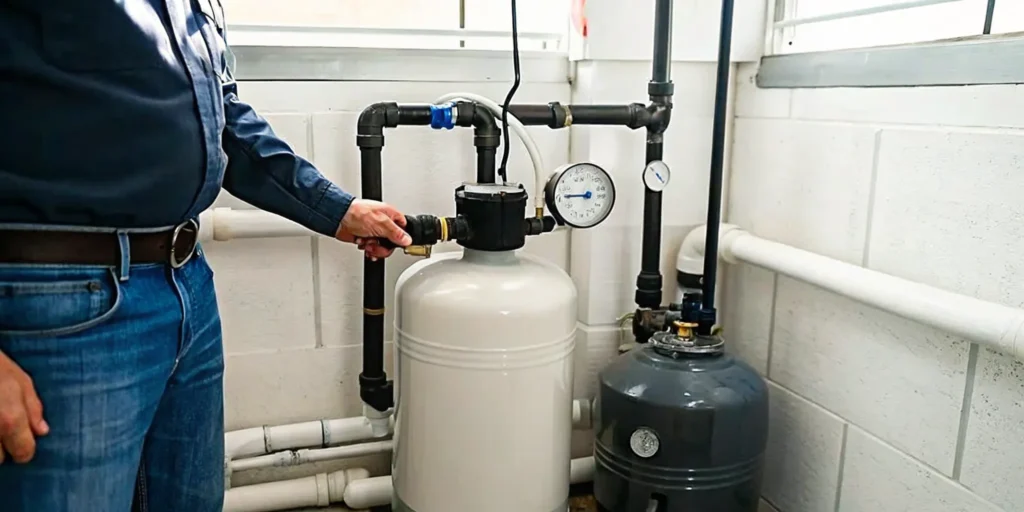
Sputtering faucets and low water pressure often signal that your home needs a well pump repair. These symptoms mean your system is struggling. Ignoring these red flags can lead to a total loss of water.
Well pump repair is a vital service for homeowners who rely on private wells for their daily water supply instead of a standard city water connection. You should call a professional for a diagnosis when you notice signs like loss of pressure, cloudy water, or loud or unusual noises from your well tank. According to the EPA, you must test your well immediately if you repair any part of the system to ensure the supply remains clean and safe for your home. Whiskey Creek Plumbing provides expert fixes for these complex systems while using a fixed pricing model so you always know the total cost before we start the work.
You must act fast when your water stops flowing or changes color to protect your well system. Understanding the Well pump repair warning signs you should not ignore will help you decide when to call for expert help. The path begins with
Well pump repair warning signs you should not ignore
Your well pump is the lifeline of your home. It pulls fresh water from the ground and keeps your house running. When the pump fails, your daily life stops. Most professional water well repair services start with a few small signs. If you catch these early, you can avoid a total loss of water.
Low or changing water pressure
One of the first signs of trouble is low pressure. You might notice your shower feels weak. Or, your sink takes longer to fill. This often happens when the pump or tank starts to fail. Sometimes the pressure will shift. It may be strong for a minute and then drop. These shifts suggest your well pump needs a check. Waiting too long can lead to a burnt-out motor.
Dirty or cloudy water
Your well water should be clear and clean. If it looks cloudy or sandy, you may have a problem. This often means the pump is pulling in silt from the bottom of the well. It could also mean the well screen is broken. The EPA recommends testing your well immediately if you see changes in color or taste. Silt can act like sandpaper on your pump. This wear and tear will shorten the life of your system.
Strange noises and air in lines
Does your faucet spit or sputter when you turn it on? This “air in the lines” is a common warning sign. It often means there is a leak in the pipe that leads to your pump. You might also hear unusual sounds from the well tank. Clicks, hums, or thumps are not normal. These noises often mean the pump is cycling too fast. This puts extra stress on the electrical parts and can lead to a high power bill. If you hear these noises, you should call for help before the pump stops entirely.
Why is your well pump cycling on and off?
Short cycling happens when your well pump turns on and off too fast. Often, a pump should run for at least a minute to fill the tank. If your pump starts and stops every few seconds, it is under a lot of stress.
This fast cycling is a common reason homeowners need professional water well repair services. It puts extra wear on the motor. It can lead to a total system failure if you do not fix it soon.
You can often hear the signs of a pump that is working too hard. The most common sign is a fast clicking sound. This sound comes from the pressure switch near your tank.
You might also notice that the water flow at your sink pulses. The pressure may change while you use the water. Well pump systems use both power and moving parts.
Because of this, water pump troubleshooting and maintenance tasks need a high level of skill. These systems are complex. Experts help to keep the repair safe for your home.
What causes a well pump to cycle?
The most likely cause of short cycling is a problem with the pressure tank. Most tanks have a bladder or a pocket of air. This air keeps the water under pressure.
If the tank loses its air or the bladder breaks, the tank fills with too much water. This is called a waterlogged tank. Without the air to act as a cushion, the pressure drops fast when you turn on a tap.
This forces the pump to start right away. Our team often finds that fixing the air mix in the tank is the first step in a well pump repair. It is a key part of keeping the system running well.
Other issues can also cause this fast start-stop cycle. A bad check valve might let water flow back into the well. This makes the pressure in the tank drop even when you are not using water.
A clogged or old pressure switch can also send wrong signals to the motor. If you notice a change in how your water tastes or smells, the EPA recommends immediate testing of your well system. This helps to make sure no bad germs have entered your water supply.
The risks of ignoring a cycling pump
If you let your pump continue to short cycle, you risk burning out the motor. Well pump motors make a lot of heat when they start. Many starts in a row do not let the motor cool down.
This can melt the parts inside the pump. Replacing a whole pump is much more costly than fixing a tank or a switch. Also, short cycling can cause your power bill to go up.
The motor uses the most power during the start-up phase. Ignoring the problem can also lead to issues with your home pipes. Constant changes in pressure can strain your plumbing over time.
Finding the issue early saves you money. It also stops the stress of a sudden loss of water. If you hear your pump clicking more than it should, it is best to have a pro look at it. This keeps a small issue from becoming a big and costly repair.
What should you do when the water stops?
It is a shock when you turn on the tap and nothing comes out. For homes that use a private well, this usually means there is a break in the system. You need to take the right steps to find the cause without making the problem worse. Staying safe is the most important part of this task. A sudden loss of water can be scary, but acting with a plan will help you get your home back to normal.
Check your home first
Before you worry about a big fix, see if the issue is in just one spot. Turn on several taps in other rooms. If water flows in the kitchen but not the bath, you likely have a local clog. If every tap in the house is dry, the issue is with your main water supply or the pump itself. You should also check with people nearby to see if a local power loss has hit the area.
Your well system acts as your lifeline for daily needs. Since private wells do not have the same watch as city water, you are in charge of keeping the system running. If you think there is a fail, you might need expert water well repair help to get the flow back. It is also wise to test your well water if you have to repair any part of the system, as noted by the EPA.
Stay safe with power and parts
Well pumps use a lot of power to move water from deep in the ground. This makes them risky for people who do not have the right training. You should never open the control box or touch the wires. Mixing water and high power can lead to severe harm or death. Stick to looking at the breaker box and leave the rest to an expert who knows how to handle a well pump repair safely.
- Verify the outage. Check every sink, tub, and toilet in the home to be sure there is no water anywhere.
- Look at the circuit breaker. Go to your main power panel. Check if the switch for the well pump has moved to the “off” or “middle” spot.
- Flip the switch once only. If the breaker tripped, you can try to reset it one time. If it trips again right away, stop and leave it off.
- Do not open power boxes. Never pull the cover off the pump pressure switch or the control box. These parts carry a high power load.
- Keep the area clear. Make sure no one tries to use the water or mess with the pump until help arrives.
- Call a professional plumber. Contact a qualified team to check the issue with the right tools.
Why an expert should handle the fix
A pump system has many moving parts that must work together. It has pipes, tanks, and wires that all need to be in good shape. Experts use special tools to find the exact fault. They can tell if you have a bad motor, a broken pipe, or a failed tank. They also have the right parts on hand to fix the issue fast. Choosing an expert helps you avoid the risk of more damage or high costs from a wrong guess.
Which well pump problems need prompt attention?
Most well pump issues start small. You might notice a faint noise or a tiny drop in pressure. These signs mean you should plan a checkup soon. But some problems are far more serious. If you ignore them, you could lose water fully or face high repair costs later on. Knowing which signs need a quick call can save you time and stress.
Signs you need an urgent repair
Some pump problems are not yet a crisis but still need a pro. If your water pressure shifts or drops fast, your pump might be starting to fail. You should also watch for air spitting from your faucets. This often means a leak in the line or a pump that is working too hard. Catching these early helps you avoid a total breakdown.
Another sign is a short cycle. This is when your pump turns on and off too often. It puts huge stress on the motor and can lead to a burnt-out pump. If you hear your pump running more than usual, it is time to look at professional water well repair services. Fixing a minor leak or a tank issue now is much cheaper than a full replacement.
When to call for an emergency
Some cases are true emergencies that require a fast response. A total loss of water is the most clear sign. Without water, your home cannot work. You should also look for flooding around your well head. Standing water can damage the power parts and may even lead to well cave-ins. If you see water pooling where it should not be, call for help right away.
Health risks also create a crisis. The EPA says to test your well right away if you notice a change in water odor, color, or taste. Stained or dirty water can mean a broken well seal or a pump that is pulling in sand. This is a safety issue for your family. If your water looks or smells strange, stop using it and call for a pro to test the system.
Safety and power risks
Never try to fix power issues on your well on your own. If you smell burning near your pump or tank, shut off the power at the breaker. Exposed wiring is also a major risk, especially near wet areas. High voltage and water are a deadly mix. This is why well pump tasks need water pump troubleshooting and maintenance guide pros who have the right training and gear.
Pros know how to handle the mix of water and power safely. They use special tools to find the exact fault without making it worse. At Whiskey Creek Plumbing, we use a fixed-price model. This means you get a clear quote before any work starts. You will not have to worry about hourly fees or surprise bills while we make your system safe again.
What happens during a well pump repair visit?
When a plumber arrives for a well pump repair visit, the first step is to talk with you. They want to hear about the signs you noticed at home. This might include low water pressure, air in the pipes, or a pump that will not stop running. A good pro will use your input to narrow down the search. They will then look at the parts of your system that they can reach in a snap. This helps them find the most common issues first without a lot of extra work.
Testing the power and controls
The plumber will first check for power to the system. Well pumps use high voltage, so this part of the job has some risk. The pro will test the control box and the pressure switch to see if they are sending power to the pump. Sometimes, a simple wire fix or a new switch can solve the problem. If the pump is not getting power, it will not pull water from the well to your home. They will also look for burnt wires or loose parts in the box.
Checking the pressure switch is a key part of the visit. This switch tells the pump when to turn on. If it fails, the pump may run non-stop or not start at all. The pro will make sure the switch points are clean and move as they should. They may use a meter to check the flow of power through the system. This ensures the pump gets the right amount of power to work well. They want to be sure the power path is clear before they check other parts.
Checking the tank and pressure gauge
Next, the pro will look at your pressure tank. This tank holds water and air to help keep your water flow steady. The plumber will check the air pressure inside the tank to make sure the bladder is still good. They also look at the pressure gauge to see when the pump turns on and off. If the tank is waterlogged, your pump will start and stop too often. This can wear out the pump motor quickly. Check our water pump troubleshooting and maintenance guide for more tips on how to keep your system in top shape.
A good pressure gauge shows the real-time state of your well. The pro will watch the gauge while you run a faucet in the home. They want to see how fast the pressure drops and how soon the pump kicks in. If the gauge is stuck or broken, it can give false info. Replacing a bad gauge is a quick way to get better facts about your well health. They will also check the tank for rust or leaks that could lead to a burst.
Looking for well and plumbing issues
Finally, the plumber will check the visible pipes and the well head. They look for leaks or cracks that might let air or dirt into the system. In some cases, the issue is deep in the ground with the pump itself. While a pro can test many things from the surface, they may need to pull the pump to see its full state. If you have been seeing muddy water, they will check the well cap to ensure it is tight.
After the check, they will give you a clear quote for the fix. This upfront price helps you plan for the work without any surprise costs. The EPA says you should test your private well right away if you repair any part of the system. This keeps your family safe from bacteria or other health risks. If you need help with your system, look for professional water well repair services in your area. A fast check can save you money and keep your water flowing for years to come.
Does your well pump need repair or replacement?
When your water stops, you need to decide if you should fix the pump or buy a new one. This choice depends on how old the system is and what went wrong. Small parts like a pressure switch are easy to fix. But if the motor dies, a new pump often makes more sense for your home. You want a system that works every time you turn on the tap.
A well pump repair can save you money if the pump is still young. At Whiskey Creek Plumbing, we use a fixed-price model for our work. This means you get a clear quote before we start. You won’t have to worry about hourly costs or hidden fees while we get your water running again. We want you to feel sure about the cost from the very start.
Finding the right fix for your pump
Most pump issues start with small signs that something is wrong. You might hear the pump kick on too often or see your lights flicker when the water runs. These small problems can usually be fixed with a few new parts. If the tank has a leak or the wiring is loose, a quick fix will solve the issue without a big bill. We check the pressure tank and switches to find the root cause.
If you choose to fix your pump, you must also think about water safety. The EPA suggests testing your well right away after any part of the system is worked on. This ensures that no dirt or germs got into your water while the lines were open. It is a vital step to keep your family safe. Testing for bacteria and nitrates is the best way to be sure your water is clean.
Signs that a new pump is better
An old pump that breaks often is a sign that you need a new unit. If you find yourself calling for help every few months, the costs will add up fast. Buying a new pump gives you a fresh start and better peace of mind. Newer pumps are also more strong and use less power to move water into your home. This can help you save on your power bills over time.
You can use this table to see which path is best for your well system.
| Factor | Repair the Pump | Replace the Pump |
|---|---|---|
| System Age | Unit is still young | Unit is near end of life |
| Issue Type | Simple part failure | Motor or seal failure |
| Repair History | First time it broke | Many breaks recently |
| Water Need | Meets home needs | Low pressure or flow |
Why expert help matters
Working on a well pump is not a job you should do on your own. These systems use high power and heavy parts that can be risky. You need to find professional water well repair services to stay safe. Our team knows how to handle the electrical and mechanical risks that come with these systems. We have the right tools to pull the pump and check every part.
Getting an expert check is the best way to know if you should fix or swap your pump. We can find the real problem and give you an honest answer. You can also read our water pump troubleshooting and maintenance guide to learn more about how your system works. This help will ensure you make the best choice for your Fort Myers home. We treat every job like we are working on our own house.
How can you reduce the risk of well pump trouble?
Stopping a problem before it starts is the best way to avoid a sudden loss of water. Your well pump works hard to keep your home running, but it is often out of sight. Simple habits can help you find small issues before they turn into a big bill. When you take care of your system, you can keep your water flowing for a long time.
Test your water every year
Clean water is vital for your health and for the life of your pump. You should test your private well every year for bacteria, nitrates, and pH levels. Small changes in your water can be a sign of a larger issue with the well case or the pump. If you notice a change in the smell or color of your water, you should call for help right away. Early testing can find hidden risks that might lead to a need for professional water well repair services soon.
Watch for system warning signs
Your pump will often give you signs that it is starting to fail. You should keep an eye out for a drop in water pressure or new sounds coming from your tank. If your water looks cloudy or has sand in it, the pump may be pulling from the wrong spot. Finding these well pump warning signs early can stop a total system crash. Small fixes now can save you from a crisis later.
Check your well area
The space around your well head needs to stay clear and safe. Keep trash, weeds, and pests away from the well cap to stop damage. Heavy rain or new work on your land can also change how your well works. If there is a flood or big changes to the soil near your well, you should test the water again. Keeping the area clean helps shield the parts of your system from dirt and wear.
Frequently Asked Questions
What is the average cost of a well pump repair?
The cost to fix a well pump changes based on the parts you need. Small fixes like a new pressure switch are low in price. Large jobs like fixing a deep pump can cost more. Whiskey Creek Plumbing uses a fixed-price model for all work. This means we give you a clear quote before any work starts. You will know the exact cost for your well pump repair with no hidden fees or surprise hourly bills.
How many years does a well pump usually last?
A high-quality well pump usually lasts between ten and fifteen years. Some units may work for up to twenty years with regular care. The lifespan depends on how much water you use and the quality of your water. Sandy or hard water can wear down parts faster than clean water. If your pump is more than twelve years old and starts to fail often, it may be time to look at a new unit.
What is the most common problem of a water pump?
The most common issue for a well pump is a broken pressure switch. This part tells the pump when to turn on and off. If it fails, you might lose water pressure or have no water at all. Other frequent problems include worn-out bearings, loose wiring, or a leaking tank. Most of these small issues are easy to fix if you find them early. Regular checks can help you catch these problems before they stop your water flow.
Can a well pump be repaired?
Yes, many well pump problems can be fixed without buying a new unit. Simple issues like electrical faults or bad tanks are easy for pros to repair. However, you should test your water after any work. According to the EPA, you must test your private well immediately if you repair any part of the system. This check ensures your water is safe to drink. If the motor has burned out, a full swap is usually the best choice.
Ready to schedule well pump repair service?
Ignoring a noisy or weak well pump today often leads to a total loss of water and very high repair costs for your home. Booking your service now keeps your family safe and helps you avoid the huge stress of a water problem that could happen at any time. Our local experts will find the root cause of the issue and give you a clear price so you can use your water without any worry. We are here to help. You can also check our professional water well repair services to see how we can help you keep your well system in great shape.
Ready to schedule well pump repair service? Get started today. Call (239) 785-9022 to schedule well pump repair service and get help from our local expert team today.
