
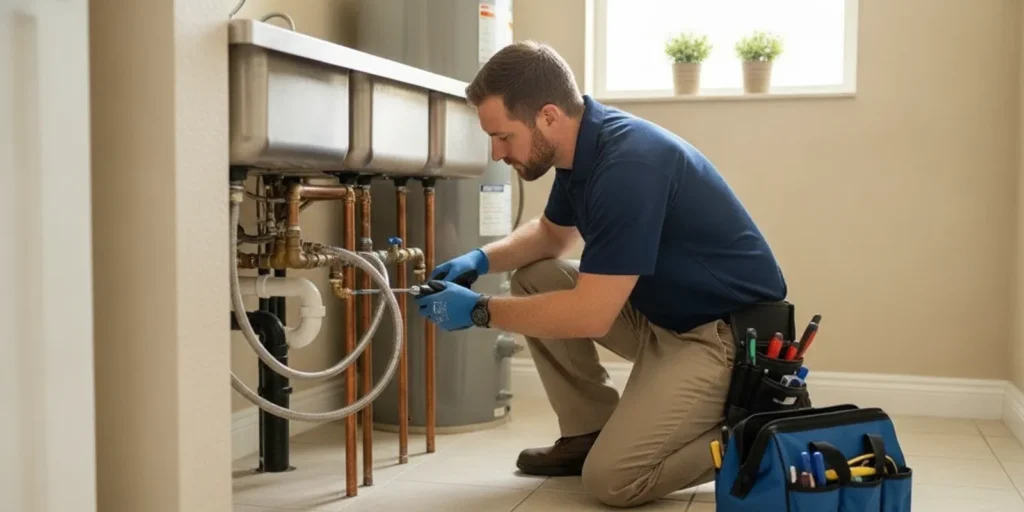
Water line repair may be needed when a supply pipe leaks, loses pressure, or shows visible damage. The right fix depends on where the problem is, what caused it, and whether the affected section can be reached without unnecessary disruption. If you suspect a leak, first limit water flow if it is safe to do so, then arrange an assessment rather than guessing at the location or digging blindly.
Call (239) 785-9022 to discuss the water line problem
For homeowners in Fort Myers and surrounding Southwest Florida communities, early attention can help clarify whether the issue is a fixture connection, an indoor pipe, or the service line bringing water to the building. A professional can inspect the symptoms, explain likely access needs, and provide a defined scope before work starts. Whiskey Creek Plumbing provides plumbing service across Lee County and surrounding areas; learn more about our plumbing services.
What does water line repair involve?
Water line repair means locating and correcting damage or a failure in a pressurized water supply pipe. The term can describe a small accessible pipe repair inside a building or work on a buried line between the meter and the structure. Those are different jobs. A repair plan should identify which section is affected, how the plumber reached that conclusion, and what work is included.
Water supply lines carry clean water to plumbing fixtures and equipment. A leak may be visible as dripping, damp materials, or water pooling outdoors. Other problems are less obvious. A pressure change, unexplained water use, or sound of water when fixtures are off can justify checking further, but none of these signs alone proves the location or cause.
What signs can point to a water line problem?
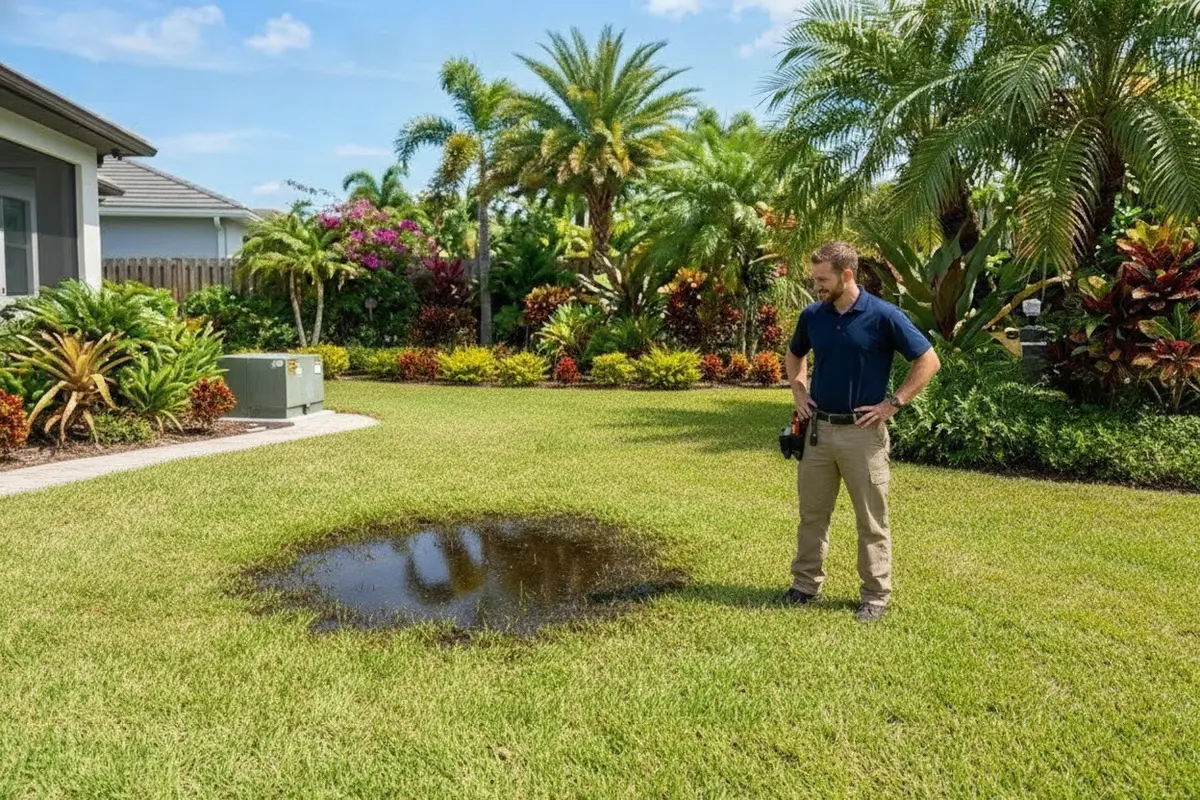
- Unexplained wet areas: Persistent dampness on a wall, floor, ceiling, or yard may indicate a leak, although rain, irrigation, drainage, or another plumbing source can also cause moisture.
- Pressure changes: A sudden or sustained drop in water pressure can have several causes. Note whether it affects one fixture or the whole property.
- Water meter movement: If all water-using fixtures and equipment are off but the meter continues to register use, a leak may be present. Follow the utility’s instructions for reading its meter.
- Unusual water sounds: Hissing or running sounds when no fixture is in use deserve investigation, especially if they occur near a pipe route.
- Visible pipe damage: Corrosion, a split, a loose connection, or repeated leaks in an accessible section need attention.
Do not assume that a higher bill identifies a particular pipe. Check for running toilets, irrigation leaks, and other water use as well. The EPA’s WaterSense leak facts explains common household leak detection and repair considerations. It is useful general guidance, but an inspection is needed to determine what is happening at a specific property.
What should you do first if you suspect a leak?
- Protect people and belongings. Keep away from standing water near electrical equipment. If water is entering the building, move items from the affected area when safe.
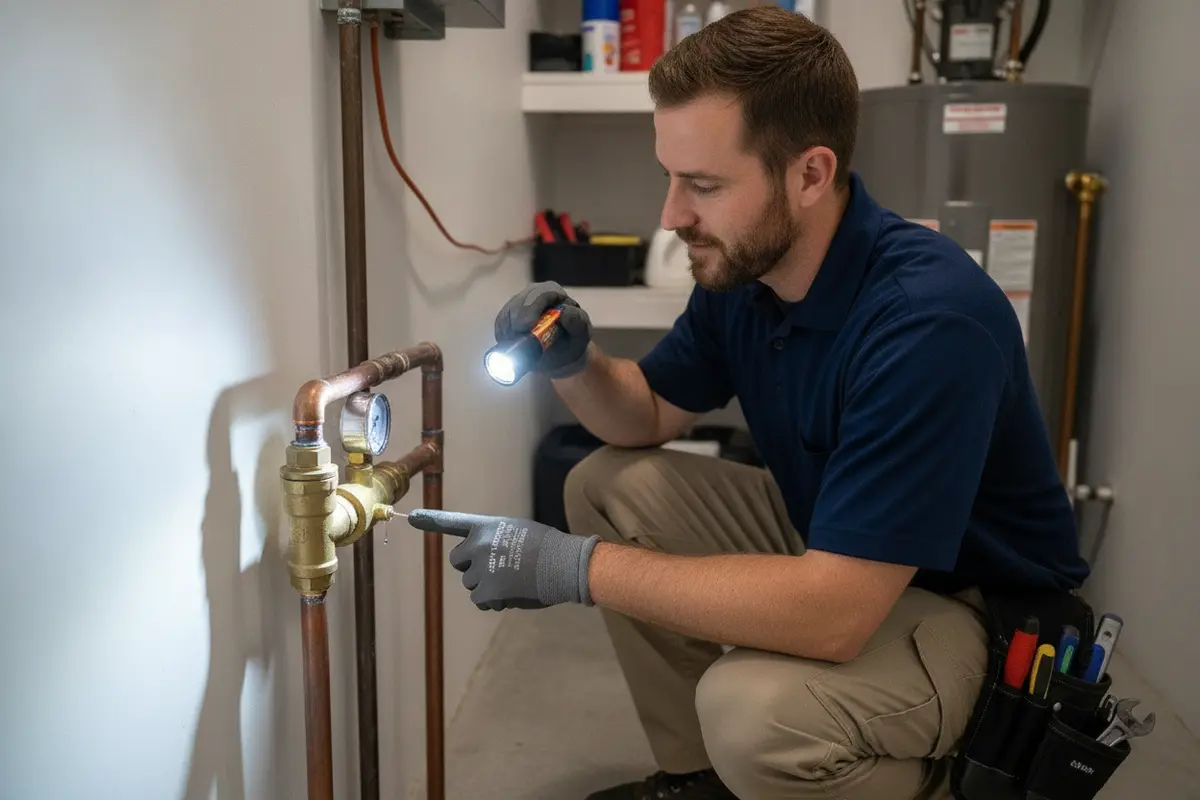
- Stop or reduce the water flow if appropriate. If you know how to operate the relevant shutoff safely, turn it off. For a widespread or severe leak, the main shutoff may be the practical choice. Do not force a stuck valve.
- Record what you observe. Note when the issue began, which fixtures are affected, whether the meter moves with water use stopped, and where moisture appears. Photos can help document visible conditions.
- Check for obvious competing causes. A running toilet, leaking irrigation component, or appliance connection may mimic a line problem. Avoid removing walls or excavating to search without a plan.
- Arrange a plumbing assessment. Describe the symptoms and any steps already taken. Ask what inspection is proposed and how the findings will determine the repair scope.
For a major active leak, prioritize shutting off water and getting prompt help. Do not apply temporary tape or sealants to a pressurized line as a substitute for evaluating the damage. A temporary measure can fail and may obscure the condition that needs repair.
How does a plumber identify the source?
Diagnosis starts with the pattern of symptoms and the plumbing layout. A plumber may inspect accessible piping and connections, check shutoff points, compare fixtures, and use appropriate leak-detection methods. If the line is buried or concealed, the technician needs to narrow down the suspected location before recommending access work. The exact method depends on the property and the evidence available.
Ask the plumber to explain what has been confirmed and what remains uncertain. A useful assessment distinguishes the observed symptom from the suspected cause. For example, low pressure is a symptom; a damaged supply pipe is only one possible explanation. If a section must be exposed, ask what the exploratory work involves and whether it is separate from the final repair.
Which repair option may fit the problem?
There is no single repair method for every water line. The appropriate option follows from the location, material, condition, and extent of damage. This comparison is a starting point for a discussion, not a diagnosis.
| Situation | Possible approach | What to clarify |
|---|---|---|
| Accessible, isolated failure | Repair or replace the damaged section | What fittings and pipe section are included, and how will the repair be tested? |
| Leak in a buried service line | Locate and expose the affected area, then repair or replace as warranted | Where will access occur, what restoration is included, and who handles any utility coordination? |
| Repeated failures or broad deterioration | Assess whether a larger section or line replacement is more suitable | What evidence supports a larger scope, and can options be explained separately? |
| Pressure issue without confirmed leak | Continue diagnosis before selecting a repair | Which other causes were checked, and what test or observation supports the conclusion? |
Ask whether the proposal addresses the cause or only the visible leak. A small patch may be reasonable for a localized failure in otherwise sound piping, while recurring problems can call for a broader evaluation. A plumber should explain the trade-offs rather than assume the most extensive option is automatically best.
What affects the scope and disruption?
Several practical details influence the work. A pipe beneath a yard, slab, driveway, or finished wall takes a different route to access than a visible connection in a utility area. The pipe material and condition matter, as does whether the damage is isolated or repeated. The repair may also require shutting off water temporarily and coordinating access around occupants or business operations.
- Location and access: Identify the likely work area and what surfaces may need to be opened.
- Extent of damage: Ask how much pipe is included and what would trigger a change in scope.
- Testing: Confirm how the plumber will check for leaks and restore service after the repair.
- Restoration: Clarify whether patching, landscaping, or other finish work is included or excluded.
- Permits or utility coordination: Ask whether the specific job requires approvals or coordination and who is responsible for them.
Costs cannot be responsibly estimated from a symptom alone. Before approving work, request a written description of the proposed repair, the fixed price or other stated price basis, exclusions, and any conditions that could change the scope. Whiskey Creek Plumbing uses fixed-price service; ask for the price and included work before authorizing the job.
How can you compare repair proposals?
Compare proposals by scope, not just by the number at the bottom. Two quotes may cover different pipe lengths, access work, testing, or restoration. Ask each provider to describe the same suspected problem and list what is included. If a diagnosis is uncertain, ask what additional inspection would resolve the uncertainty and what it costs before proceeding.
- Which pipe or section is being repaired?
- What inspection supports this diagnosis?
- What materials and work steps are included?
- How long might water service be interrupted?
- What cleanup, backfill, or surface restoration is included?
- What is excluded, and how would an unexpected condition be handled?
- What testing will confirm the repair is holding?
It can also help to understand the difference between a repair and a repipe. A repair addresses a defined failure; a larger replacement addresses a broader section or system when evidence supports that choice. Read about pipe repair versus repiping for questions to raise when repeated pipe problems are involved. Homeowners comparing options can also review our guide to PEX pipe to understand material questions to discuss with a plumber.
What happens during a typical repair visit?
The sequence depends on whether the problem is visible or concealed, but understanding the usual decision points can make the visit easier to follow. First, explain the symptoms and show the areas where you noticed moisture, sound, or pressure changes. The plumber can review accessible shutoffs, fixtures, and piping before deciding whether more focused leak detection is appropriate.
Once the suspected section is identified, ask the technician to describe the repair area before work begins. If access requires opening a wall, floor, or yard, confirm the expected opening and whether the quote covers restoration. For a buried line, ask whether the utility side or customer side of the meter is involved and whether utility coordination is needed. Responsibility can depend on the location and local arrangements, so do not assume it from the symptom alone.
After the repair, the line should be checked for leaks and the water supply restored as appropriate. Ask what test was performed, what signs to watch for afterward, and whom to contact if moisture or pressure symptoms return. Keep the written scope and any notes about the repair location with household records. That information can help if related symptoms develop later or another professional needs to understand what was changed.
How can you prepare before the assessment?
A few observations can make the conversation clearer without turning you into your own leak detector. Note whether the pressure change affects one tap, one room, or the entire property. Record when you first noticed the damp area and whether it changes after fixtures or irrigation run. If it is safe and convenient, take a photo of visible damage before moving items or cleaning up.
Make the relevant shutoff and access areas available, but do not remove panels or dig to expose a suspected line unless a professional advises you to do so. Mention recent plumbing work, unusual water use, or any earlier repair in the same area. If the property has a separate irrigation system, tell the plumber what you know about its schedule and valves; outdoor water use may complicate a meter observation.
For a business or rental property, identify who can approve work and coordinate access. Ask how water interruption will affect occupants, staff, or equipment, and whether the work can be scheduled around operating needs. These practical details do not establish the diagnosis, but they help make a repair plan easier to carry out.
When is professional help important?
Contact a plumbing professional when water is actively escaping, the source is concealed, pressure changes affect the whole property, or leaks recur after a repair. Professional assessment is also sensible when excavation or opening a finished surface may be needed. These jobs can involve hidden utilities or structural finishes; do not dig or cut into a wall based only on a guess.
If you are in the Fort Myers area, you can review our water line plumbing service and share the symptoms when arranging an assessment. Service requirements can differ by property, so a site-specific evaluation is the practical next step.
Frequently asked questions
Can I tell from a water bill whether the service line is leaking?
A higher bill can be a reason to investigate, but it does not identify a service-line leak by itself. Check for other water use and compare the meter with fixtures off, following your utility’s directions. A plumber can help distinguish a supply-line issue from other causes.
Should I turn off the main water valve?
If water is actively leaking and you can safely operate the valve, shutting off the supply may limit damage. Do not force a stuck valve. If water is near electrical equipment, keep clear and seek appropriate urgent help.
Does every leak require replacing the whole line?
No. A confirmed, isolated failure may be repairable as a section. Broader replacement should be considered only after the plumber explains the condition and why a limited repair is not appropriate or durable.
What should a water line repair quote include?
It should identify the work area and pipe section, the proposed repair, access and restoration details, testing, price basis, exclusions, and how unexpected conditions will be handled. Ask for clarification before approving work if any part is unclear.
Request an assessment for your water line concern
Plan a clear next step
Write down what you have noticed, protect the area, and avoid guessing at concealed piping. A clear assessment and written scope can help you choose a repair that fits the actual condition of your water line.
Call (239) 785-9022 to talk through the next step
When you have symptoms or an active concern, share what you have observed and ask for a defined assessment before deciding on a repair.