
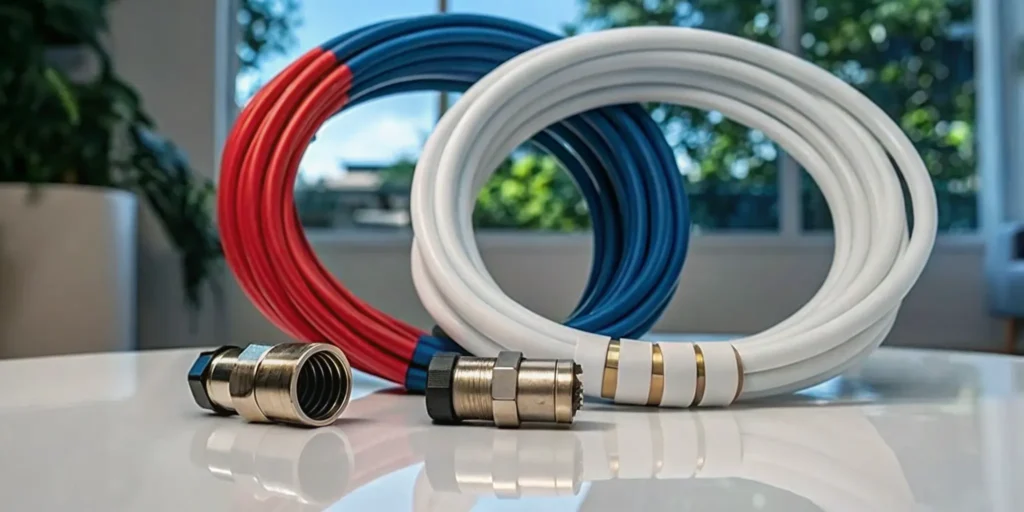
The word “repipe” can send a shiver down any homeowner’s spine. It often brings to mind a long, messy, and expensive process involving torn-up walls and major disruption. But what if it didn’t have to be that way? Modern materials have changed the game, and at the forefront of this shift is PEX pipe. This flexible, durable tubing can often be installed with far less intrusion than old-school rigid pipes. Because it can snake around corners and through walls, the installation is faster and requires fewer connections. This guide explains what PEX pipe is and how its unique properties make a whole-home repipe a much more manageable and affordable project.
Need a Plumber in Fort Myers?
Whiskey Creek Plumbing has delivered five-star, fixed-price plumbing services to Southwest Florida homeowners and businesses 25 years of experience, proudly serving Lee County and surrounding areas since 2022. No surprises — just guaranteed work.
Locally owned & operated · Fixed-price guarantee · 25 years of experience, proudly serving Lee County and surrounding areas since 2022
Key Takeaways
- PEX solves common plumbing headaches: This flexible plastic tubing resists the corrosion and mineral scale that often affect metal pipes, leading to better water pressure and a longer lifespan for your home’s plumbing system.
- Professional installation is essential: Connecting PEX requires special tools and specific methods to guarantee a leak-free seal. Trusting a professional ensures the job is done right, protecting your home from potential water damage caused by incorrect techniques.
- It’s an indoor solution: PEX is a fantastic material for the plumbing inside your home, but it’s not meant for the outdoors. The material can be damaged by UV rays from the sun, so it must be installed indoors or properly shielded to ensure it lasts.
What Is PEX Pipe?
If you’re looking into plumbing upgrades for your Fort Myers home, you’ve likely come across the term PEX. So, what exactly is it? PEX stands for cross-linked polyethylene. Think of it as a modern, high-tech plastic tubing designed specifically for plumbing. The “cross-linked” part of the name refers to a process that strengthens the polyethylene, making it incredibly durable yet flexible. This flexibility is its superpower. Unlike rigid pipes that require lots of joints and fittings to navigate around corners, PEX can be installed in long, continuous lines. For you, this means a faster installation and, most importantly, fewer connection points where leaks could potentially start. It’s a smart, reliable choice for both new homes and for replacing older, problematic pipes.
PEX vs. Copper and PVC: A Quick Comparison
When comparing PEX to traditional materials like copper and PVC, a few key differences stand out. First, PEX is generally more affordable than copper, not just for the material itself but also for the installation, which is often faster. It also has an impressive lifespan, with many manufacturers guaranteeing it for at least 50 years. Unlike metal pipes, PEX is resistant to rust and corrosion. It also prevents scale, or mineral deposit, buildup inside the pipe. This helps maintain consistent water pressure and better water quality over the long haul. These benefits are why many homeowners choose PEX when they need new plumbing services or are considering a whole-home repipe.
Breaking Down Temperature and Pressure Ratings
It’s important that any pipe in your home can handle daily demands, and PEX is engineered to do just that. PEX tubing is rated to withstand significant temperature and pressure fluctuations. Specifically, it can handle water pressure of 160 pounds per square inch (psi) at 73°F and 100 psi at 180°F. For you, this means PEX is perfectly suited for both the cold and hot water lines in your home, easily managing everything from a running dishwasher to a hot shower. These ratings, outlined by organizations like the Plastic Pipe Institute, are well within the normal operating conditions of a residential plumbing system, providing a safe and dependable performance for years to come.
PEX-A, PEX-B, and PEX-C: What’s the Difference?
When you hear plumbers talk about PEX, you might think it’s all the same. But there are actually three main types: PEX-A, PEX-B, and PEX-C. The letters don’t stand for quality grades; instead, they refer to the manufacturing process used to create the pipe. Each method gives the pipe slightly different properties, making one type better for certain jobs than another. Understanding these differences can help you feel more confident about the materials used in your home’s plumbing system.
PEX-A: The Flexible Option
PEX-A is often called the premium option, and for good reason. It’s the most flexible type of PEX tubing, which makes it highly resistant to kinks during installation. What’s really neat about PEX-A is its “thermal memory.” If it does get kinked, a plumber can simply apply a little heat, and the pipe will return to its original shape, saving time and material. It’s installed using an expansion tool that stretches the pipe to fit over a fitting. This method keeps the pipe’s interior diameter wide open, ensuring you get the best possible water flow and pressure throughout your home.
PEX-B: The Budget-Friendly Choice
If you’re looking for a reliable and more budget-friendly option, PEX-B is an excellent choice. While it’s considered more rigid than PEX-A, it still offers plenty of flexibility for most home plumbing projects. PEX-B is typically installed using crimp rings or push-to-connect fittings. It’s important to know that these fittings sit inside the pipe, which can slightly narrow the opening and reduce the water flow compared to PEX-A. For many households, however, this slight reduction is barely noticeable, making PEX-B a popular and cost-effective solution for repiping and new installations. Our team can help you determine if it’s the right fit for your plumbing services needs.
PEX-C: Ideal for Quick Fixes
PEX-C is the stiffest of the three types, which makes it a bit of a specialist in the PEX family. You won’t typically see it used for a whole-home repipe because its rigidity makes it harder to work with on long, winding runs. Instead, PEX-C is a solid choice for quick, simple repairs or short, straight connections where flexibility isn’t a priority. Think of it as a handy tool for specific situations rather than an all-purpose solution. When you work with a professional, you can trust they have the experience to know exactly when a material like PEX-C is the perfect, practical choice for the job.
Where Will You Find PEX Pipe?
PEX pipe is incredibly versatile, which is a big reason why it has become so popular in both new construction and home renovations. You might be surprised to learn just how many systems in a modern home rely on this flexible tubing. From the water you drink to the warmth under your feet, PEX plays a quiet but crucial role. Let’s look at the three most common places you’ll find it working behind the scenes in your home.
Powering Your Home’s Water Supply
This is the most common job for PEX. If your home was built or repiped recently, there’s a good chance its entire water distribution system uses PEX tubing. It’s used to carry both hot and cold water from your main line or water heater to every faucet, shower, and toilet. Because PEX is flexible, plumbers can often run long, continuous lines, which means fewer connection points and a lower risk of leaks. This flexibility makes it a fantastic material for the complex network of plumbing services that keep a home running smoothly.
Keeping Floors Toasty with Radiant Heat
Have you ever walked on a wonderfully warm floor in the winter? You might have PEX to thank for that. It’s the top choice for radiant floor heating systems. In these setups, PEX tubes are arranged in a pattern under the flooring. Hot water then circulates through the tubing, gently and efficiently warming the floor and the entire room from the ground up. This method provides a consistent, comfortable heat that many homeowners prefer over traditional forced-air systems. It’s an efficient and luxurious upgrade that relies on the durability and heat-transfer properties of PEX tubing.
A Modern Choice for Fire Sprinklers
Safety is always a top priority, and PEX contributes here, too. It’s an approved material for residential fire sprinkler systems. Just like with water supply lines, its flexibility allows for easier and faster installation compared to traditional metal pipes. The material is durable and corrosion-resistant, ensuring the system is ready to go when it’s needed most. Using PEX for fire sprinklers is a cost-effective way to add a critical layer of protection to a home, making it a smart choice for safety-conscious builders and homeowners. The Plastic Pipe Institute confirms its suitability for these important applications.
Weighing the Pros and Cons of PEX
Like any plumbing material, PEX pipe has its own set of strengths and weaknesses. Understanding both sides can help you decide if it’s the right fit for your home’s plumbing project. Let’s break down what makes PEX a popular choice and what potential drawbacks you should be aware of.
The Upsides: Why Plumbers Love It
There’s a reason PEX has become a go-to for so many plumbing professionals. Its biggest advantage is flexibility. PEX is a type of cross-linked polyethylene that can bend around corners, which means fewer fittings and faster installation compared to rigid copper pipes. This often translates to lower labor costs for you. Beyond the installation benefits, PEX is durable and cost-effective. It resists the corrosion and mineral buildup that can plague metal pipes over time, which is a huge plus for maintaining good water flow. It’s also designed to last for 50 years or more and can handle high water temperatures and pressure without issue, making it a reliable, long-term investment for your home’s plumbing system.
The Downsides: What to Keep in Mind
While PEX has plenty of benefits, it’s not the right choice for every situation. Its main vulnerability is sunlight. The UV rays from the sun can cause the material to get damaged, making it brittle and prone to cracking in as little as a few months. For this reason, PEX should never be used in outdoor applications or stored in direct sunlight before installation. Another thing to consider is that connecting PEX pipes requires special tools, like crimping or expansion tools. This isn’t a simple DIY task where you can just use a wrench. Using the wrong tools or techniques can easily lead to leaks down the road. That’s why having a professional handle your piping and repiping is always the safest bet to ensure every connection is secure.
A Look at PEX Installation Methods
PEX piping is versatile, but the real magic happens during installation. The connection method used is what ensures a durable, leak-free system for years to come. While it might seem straightforward, each technique requires specific tools and know-how to create a perfect seal. Let’s walk through the three most common ways PEX is installed and the mistakes you’ll want to avoid.
Securing with the Crimp Method
The crimp method is a tried-and-true technique trusted by plumbers everywhere. This process involves sliding a small metal ring, usually made of copper or stainless steel, over the end of the PEX pipe. After a fitting is inserted into the pipe, a special crimping tool is used to squeeze the ring, creating an incredibly tight and secure seal. This method is popular because it’s reliable, strong, and provides a long-lasting connection. It’s a go-to choice for professionals who need to guarantee their work won’t leak and want a connection that stands the test of time.
Creating a Seal with the Expansion Method
The expansion method is another professional favorite, especially when working in tight corners or awkward spaces. This technique uses an expansion tool to gently stretch the end of a PEX-A pipe. A fitting is then inserted into the widened pipe. As the PEX pipe’s memory kicks in, it shrinks back to its original size, clamping down tightly around the fitting. This creates a very strong, full-flow connection that is less restrictive than other types. The result is a secure, reliable seal that helps maximize water pressure throughout your home’s plumbing system.
Connecting with the Push-Fit Method
For quick repairs or small projects, push-fit connections are often the simplest option. As the name suggests, you simply push the PEX pipe directly into a special fitting until it clicks into place. No special tools are required for the initial installation, which makes it seem like an easy DIY solution. However, it’s important to know that while you don’t need a tool to connect them, you will need a specific removal tool if you ever need to take the fitting off. These fittings are convenient but are often the most expensive option of the three.
Common Installation Mistakes to Sidestep
One of the biggest pitfalls with any PEX installation is using the wrong tools or no tools at all. Each method, whether crimping or expanding, requires a specific tool calibrated for that system. Attempting to use pliers or a different type of clamp can result in a weak connection that’s almost guaranteed to leak over time. Improperly cut pipe ends can also prevent a secure seal. To avoid water damage from these common errors, it’s always best to rely on professional piping and repiping services. A licensed plumber has the correct tools and experience to ensure every connection is solid and leak-free.
Gearing Up: Tools and Fittings for PEX
Working with PEX pipe isn’t just about the tubing itself; it’s about how you connect it. A successful, long-lasting PEX plumbing system depends entirely on using the right tools and fittings for the job. Unlike copper pipes that are soldered, PEX relies on mechanical connections to create watertight seals. Getting these connections right is the key to a leak-free system, and it all starts with having the proper gear. Let’s walk through the essential tools and the different types of fittings you’ll encounter.
Your Essential PEX Installation Toolkit
If you’re used to traditional plumbing, you’ll find that PEX requires a completely different set of tools. You can’t just grab a wrench and expect a good result. To connect PEX pipes correctly, you need special tools like crimpers or expanders. Each tool is designed to work with a specific type of fitting to create a secure, permanent seal. Using the wrong tool, or even an uncalibrated one, is a direct path to slow leaks and water damage. This is why our professional plumbing services are so valuable; our team arrives with every specialized tool needed to guarantee a perfect, leak-proof connection every time.
Choosing the Right Fittings and Connectors
In plumbing, a simple rule holds true: the fewer connections you have, the fewer opportunities there are for leaks. PEX makes this easy with its flexibility, but you’ll still need fittings to tie into fixtures and make turns. There are several ways to connect PEX, each with its own method.
- Crimping and Clamping: This is a very common method. It involves sliding a metal ring, either copper or stainless steel, over the pipe. A fitting is inserted, and a special tool is used to squeeze the ring, creating a tight seal.
- Expansion Connections: For this method, a tool stretches the end of the PEX pipe and a plastic ring. The fitting is then inserted, and the pipe shrinks back around it, forming an incredibly strong bond.
- Push-Fit Connections: These are the easiest to use for quick fixes. You simply push the PEX pipe into the fitting until it clicks. No special installation tools are needed, making them a popular choice for small repairs.
Keeping Your PEX Pipes in Top Shape
One of the best things about PEX piping is how little maintenance it requires. Since it’s a durable material that resists corrosion and scale buildup, you can generally trust it to do its job without much fuss. However, a little proactive care can go a long way in preventing surprises and extending the life of your plumbing system. Taking a few simple steps to inspect your pipes and protect them from environmental factors will ensure your home’s plumbing remains reliable for years to come.
Perform Routine Inspections and Leak Tests
Even the toughest plumbing needs a check-up now and then. While PEX is known for being resistant to corrosion and damage from freezing, it’s still a good idea to perform visual inspections a couple of times a year. Look for any signs of moisture around fittings, water stains on ceilings or walls, or unexpected drops in water pressure. Because PEX’s flexibility allows for fewer connection points, the overall risk of leaks is lower than with rigid pipes. Still, checking the connections you can see is a smart move. If you spot anything that seems off, it’s always best to have a professional take a look. Our team specializes in leak detection and can pinpoint issues before they become major headaches.
Protect Pipes from UV Light and Extreme Heat
Here in sunny Florida, we know the power of UV rays. It turns out that PEX piping is also sensitive to sunlight. According to the Plastic Pipe Institute, PEX can degrade if it’s exposed to direct sunlight for long periods. This is why it’s typically used indoors or underground. If you have PEX pipes in a garage, attic, or any area where they might get hit by sunlight, make sure they are covered or shielded. PEX also has limits when it comes to extreme heat, which is why it isn’t used for applications like solar heating systems. For outdoor plumbing, like for your pool, it’s important to use materials designed for that environment. Proper installation and material choice for pool equipment are key to a lasting system.
Ensure Proper Support and Spacing
PEX is incredibly flexible, which is a huge advantage during installation. It can snake around corners and through walls with ease, reducing the need for extra joints. However, this flexibility also means it needs proper support to prevent sagging over long distances. Professional plumbers follow specific guidelines for securing PEX pipes to prevent drooping, which can cause noise or put unnecessary stress on the fittings over time. Whether it’s for your home’s main water supply or for a radiant floor heating system, correct spacing and support are critical for performance and longevity. This is one of those details where professional installation makes all the difference in ensuring a reliable plumbing system. If you’re considering an upgrade, our experts handle all types of plumbing services, including repiping.
Is PEX Pipe Right for Your Fort Myers Home?
Let’s get straight to it. For most homeowners in Fort Myers, PEX pipe is an excellent choice for plumbing repairs and full repiping projects. While every home is unique, PEX offers some serious advantages that are perfectly suited for our Florida climate and water conditions.
One of the biggest wins is its resistance to corrosion. Unlike metal pipes that can rust or develop mineral deposits from our area’s hard water, PEX is a durable plastic that isn’t affected. This means you can expect cleaner water and better water pressure for years to come. Because PEX is flexible, it can be snaked through walls and around corners with fewer cuts and fittings. This not only makes the installation process faster but also reduces the number of potential leak points, saving you money and future headaches.
Of course, no material is perfect. The main thing to know about PEX is that it can be damaged by UV rays. This isn’t a problem for indoor plumbing, but it does mean it needs to be protected from direct sunlight if used outside. That’s why professional installation is key to making sure your system lasts. When you weigh its long lifespan (often 50 years or more) and lower installation cost against traditional materials, PEX presents a strong case for being the go-to for modern piping and repiping solutions in Southwest Florida.
Related Articles
- Plumbing Water Leak Detection 101: A Full Guide
- Plumbing Installation | Whiskey Creek Plumbing
- Pool Equipment | Whiskey Creek Plumbing
Need a Plumber in Fort Myers?
Whiskey Creek Plumbing has delivered five-star, fixed-price plumbing services to Southwest Florida homeowners and businesses 25 years of experience, proudly serving Lee County and surrounding areas since 2022. No surprises — just guaranteed work.
Locally owned & operated · Fixed-price guarantee · 25 years of experience, proudly serving Lee County and surrounding areas since 2022
Frequently Asked Questions
Is PEX a better choice than copper for my home? For many homeowners, especially here in Florida, PEX is often the more practical choice. It’s generally more affordable to install because its flexibility requires fewer fittings and less labor. More importantly, PEX is immune to the rust and corrosion that can affect copper pipes over time, particularly with our local water conditions. This means you can count on better water quality and consistent pressure for years without worrying about mineral buildup inside your pipes.
Can I handle a PEX installation myself? While it might seem tempting to tackle a PEX project on your own, it’s a job best left to a professional. Connecting PEX requires special tools, like crimpers or expanders, that are calibrated to create a perfect, watertight seal. Using the wrong tool or technique is a common cause of slow leaks that can lead to significant water damage. A licensed plumber has the right equipment and experience to ensure every connection is secure and your system is built to last.
Is PEX piping safe for my family’s drinking water? Absolutely. PEX tubing meets strict industry standards for carrying potable (drinkable) water and has been used safely in homes for decades. Because the material is resistant to corrosion and mineral buildup, it helps keep your water clean and free from the metallic taste that can sometimes come from older pipes. It’s a reliable and healthy choice for your home’s entire water supply system.
How long will PEX pipes actually last in my home? You can expect a professionally installed PEX plumbing system to last for 50 years or even longer. The material itself is incredibly durable and designed to withstand the daily demands of a busy household, including high temperatures and pressure. The key to its longevity is proper installation and making sure it’s protected from things that can damage it, like direct sunlight.
Are there any places where PEX should not be used? Yes, the main limitation of PEX is its vulnerability to UV light. It should never be installed in locations where it will be exposed to direct sunlight, as the UV rays can cause the material to become brittle and fail over time. This is why you’ll almost always find it used inside walls, in crawlspaces, or underground. For any outdoor plumbing needs, a professional will use a different material that is specifically designed to withstand the elements.