
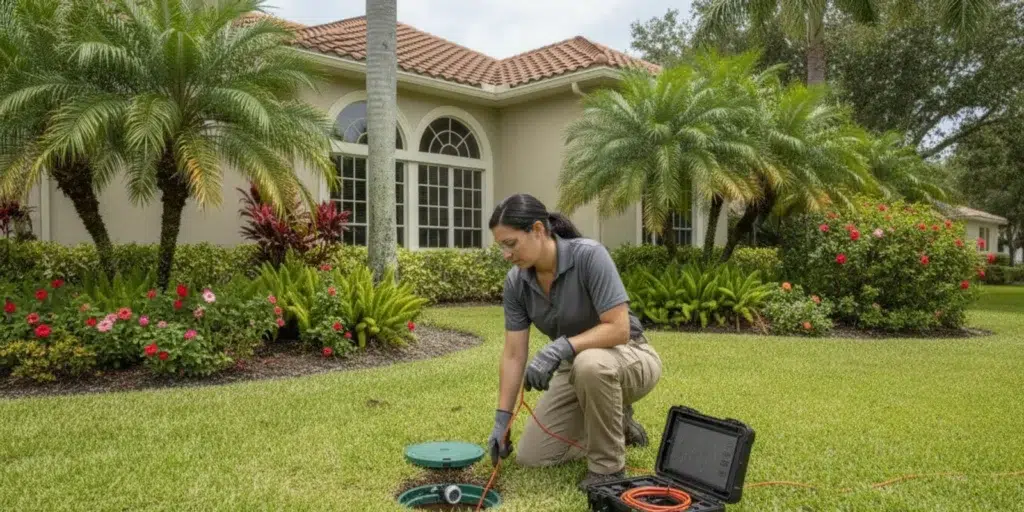
Choosing between trenchless vs traditional sewer replacement starts with the condition and layout of the existing line, not with a promise that one method fits every property. Trenchless methods may reduce the amount of digging at the surface, while traditional replacement exposes more of the pipe through excavation. The right recommendation depends on inspection findings, access, pipe condition, and what is above the line.
Contact us to discuss your sewer line options
What is the difference between trenchless and traditional replacement?
Traditional sewer replacement generally means excavating along the affected pipe so a plumber can uncover, remove, and replace the line. Trenchless approaches use access points and specialized methods to repair or replace a line with less continuous excavation in suitable conditions. “Trenchless” does not mean no digging: crews usually need access pits, and the amount of excavation depends on the method and property.
There are also different trenchless techniques. Pipe lining places a new lining inside an existing pipe; pipe bursting breaks apart or displaces the old pipe while drawing a replacement into place. These approaches have different requirements. A line that can be lined may not be a good candidate for bursting, and neither should be assumed suitable without evaluating the pipe and site.
The U.S. Environmental Protection Agency’s evaluation of trenchless sewer construction describes trenchless work as an alternative to conventional construction and discusses its advantages and disadvantages in relation to excavation. That is why “less surface disruption” is a useful comparison, but not a guarantee of a no-dig job or a universally better result. Read the EPA evaluation of trenchless sewer construction.
How do the methods compare?
Use this comparison as a starting point, not a substitute for an on-site evaluation. The method, work area, and condition of the existing pipe can change the details.
| Factor | Trenchless approach | Traditional excavation |
|---|---|---|
| Access | Typically uses access points and specialized equipment; the existing line and property must allow the selected method. | Requires excavation to expose the affected pipe, with the extent shaped by depth and layout. |
| Surface impact | May limit continuous digging, but access pits and restoration may still be needed. | Can disturb soil, landscaping, paving, or other surfaces above the pipe. |
| Pipe condition | Must meet the requirements of the specific lining or replacement technique. | Provides direct access to the exposed section and may be considered when trenchless conditions are unsuitable. |
| Inspection needs | Camera findings and measurements help determine whether a trenchless option is feasible. | Inspection and locating still matter to plan excavation and identify the affected area. |
| Work planning | Depends on equipment access, entry points, pipe geometry, and method. | Depends on excavation access, depth, utilities, and the surfaces that must be opened and restored. |
For an additional technical comparison of pipe lining and pipe bursting, see the document titled “Pipe Lining Versus Pipe Bursting”. It focuses on two trenchless techniques rather than establishing that one option is right for every sewer line.
What are the potential advantages of trenchless replacement?
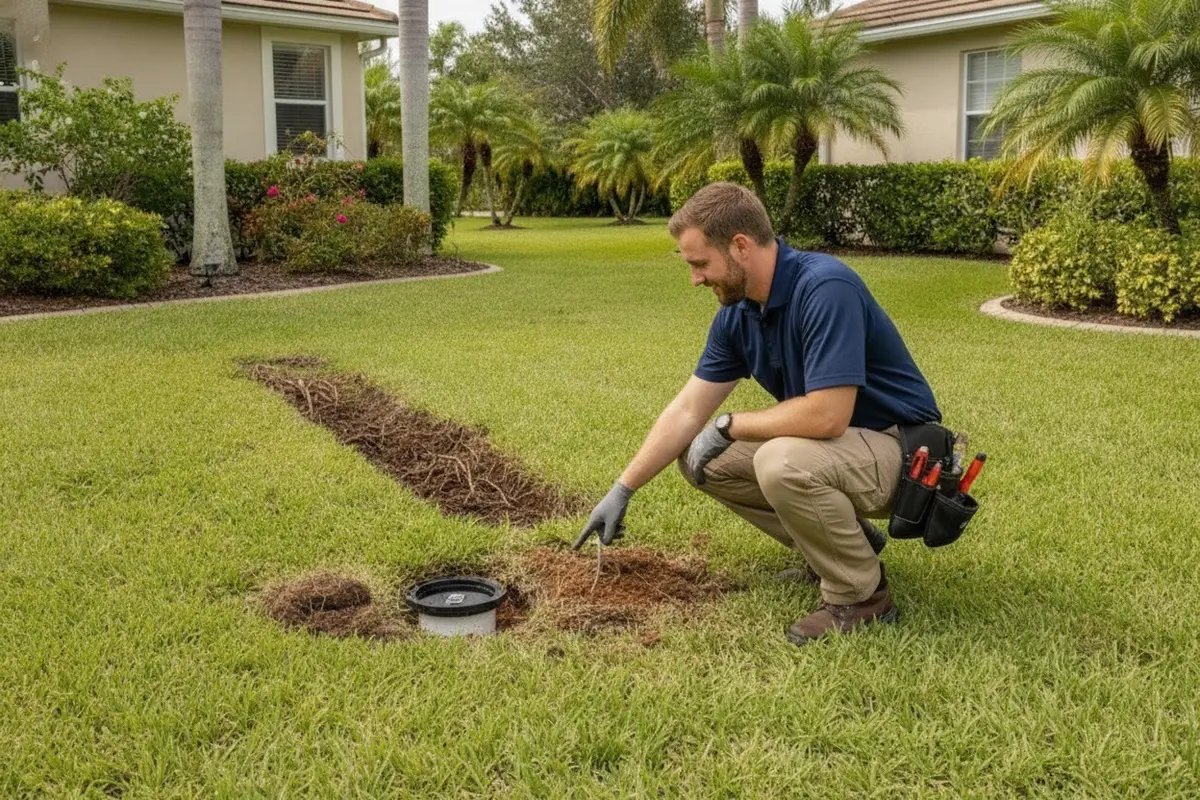
The main reason homeowners ask about trenchless work is the possibility of reducing how much of the yard, driveway, or other surface must be opened. When the line and site meet the method’s requirements, access points may allow work without digging a continuous trench from end to end. That can matter when established landscaping, hardscaping, or a finished surface sits above the sewer route.
Less excavation at the surface can also change the restoration work that follows. It does not remove every restoration need: access pits can affect the yard, and any disturbed area may require repair. Ask which surfaces are expected to be affected and what restoration is included in the written scope.
Trenchless work can be a useful option when the existing pipe condition, route, and access support a specific method. It is not enough to hear that a property is “a good candidate” in general. Ask the plumber to explain what inspection showed, which method is proposed, and why it fits the line.
For example, if a sewer line runs under a paved area or a carefully maintained garden, the possibility of limiting a long open trench may be worth discussing. The relevant question is not simply whether the surface is valuable; it is whether the pipe can be treated with an appropriate trenchless process and whether the necessary entry and exit points can be reached. A small access pit can still require digging and repair, so ask the crew to identify likely work zones rather than relying on a broad label.
Think about disruption in practical terms. Which route will workers use to bring equipment to the work area? Will gates, planting beds, or a driveway need to remain clear? Which parts of the property can still be used while work is underway? These details do not determine the repair method on their own, but they help you understand what each proposal means for daily access and restoration.
What are the limits of trenchless sewer replacement?
Trenchless is not a universal fix. The exact limitations depend on whether the proposal is pipe lining, pipe bursting, or another technique. The condition and shape of the existing pipe, the line’s route, access points, depth, and nearby obstacles can all influence what is feasible. A method also needs suitable equipment access and a workable plan for the property.
- Existing pipe condition: Severe damage, a collapsed section, or a shape that does not support the selected technique may rule out a particular trenchless option. Only an inspection can clarify the condition.
- Route and geometry: Bends, connections, changes in diameter, and the location of access points may affect how a lining or replacement process can be carried out.
- Surface and utility constraints: Nearby structures, other utilities, landscaping, or paving can affect both trenchless access and conventional excavation planning.
- Connection details: A line may have branch connections or transitions that need to be identified and addressed as part of the repair plan.
- Method-specific requirements: Pipe lining and pipe bursting are not interchangeable. Ask which one is being considered and what the existing pipe must be like for that process.
Traditional excavation has limitations too. Digging can affect landscaping and hard surfaces, and the depth or location of a line can make access more involved. But direct exposure may be the more practical way to address a section when a trenchless process cannot meet the pipe’s needs. The goal is not to avoid digging at all costs. It is to select a repair plan that fits the actual problem.
It is useful to distinguish what a method might avoid from what it still requires. A trenchless proposal may avoid exposing the full length of a pipe, but crews still need to reach the line, position equipment, and handle connections. A traditional approach may involve a longer excavation, yet it can give direct access to the exposed pipe. Ask for the expected work limits on a simple sketch or marked-up site photo. Seeing the proposed access points and affected section can make a technical explanation easier to follow.
When may traditional excavation be the better option?
Open excavation may be considered when the pipe cannot support the proposed trenchless technique, when the affected section needs direct access, or when the site makes trenchless equipment or access points impractical. The plumber should explain the specific reason rather than presenting excavation as an automatic choice.
Excavation can make the affected section visible during the work. That direct access can help a crew address a damaged area and evaluate nearby connections as the scope allows. At the same time, excavation may disturb more of the surface above the line. Ask where digging is expected, how access will be maintained, and what parts of the property may need restoration.
Sometimes a repair rather than full replacement may be worth discussing. The answer depends on the extent and pattern of damage, the condition of the remaining pipe, and whether a localized repair is appropriate. If symptoms recur or multiple sections are compromised, ask how the recommendation accounts for the line as a whole. Our trenchless sewer repair guide and sewer line service information can help you understand the available service context.
Consider a simple example: an inspection identifies a problem in one accessible section, while the rest of the line appears to be in different condition. A proposal should make clear whether the work addresses that section only or recommends replacing a longer run, and why. If there are several defects or the pipe’s condition varies along its route, ask how each finding changes the plan. This keeps the decision focused on documented conditions instead of treating every symptom as proof that the entire line must be replaced.
Excavation may also make sense when another issue at the same location needs direct attention or when access for the proposed trenchless equipment is not workable. Ask the contractor to separate confirmed findings from possibilities. For instance, ask what must be opened to reach the pipe, what the crew expects to see, and what decision would follow if the exposed condition differs from the inspection. A clear explanation helps you compare a direct-access plan with a trenchless alternative fairly.
How should a homeowner compare proposals?
Before choosing a method, make sure the proposals describe the same problem and scope. A low total is difficult to compare with another quote if one addresses a short section and the other proposes work on a longer run. We believe homeowners deserve a clear explanation and fixed-price quote before work begins, not uncertainty about how charges may change as the job progresses.
- Ask what the inspection found. Request a plain-language explanation of the pipe condition and the location of the problem. If a camera inspection was performed, ask what the images show and whether the findings identify the full scope.
- Get the proposed method by name. Ask whether the plan uses lining, pipe bursting, or excavation. “Trenchless” alone is not enough detail to evaluate a proposal.
- Ask why the method fits. A good explanation connects the method to the line’s condition, route, access, and property constraints. Also ask what would make the method unsuitable.
- Compare the work included. Confirm which pipe sections and connections are included, what access work is expected, and how cleanup or surface restoration is handled.
- Clarify the price and contingencies. Ask for a fixed-price quote and a clear explanation of what is included. If hidden conditions could change the work, ask how they will be documented and approved before additional work proceeds.
- Ask about practical arrangements. Confirm how the crew will access the work area, whether water or sewer use may be interrupted, and what preparation is needed at home.
Use the answers to compare the reasoning, not just the labels. If one proposal recommends trenchless work and another recommends excavation, ask each provider to address the same inspection findings. A difference in method may reflect a difference in diagnosis or scope, so resolve that before deciding.
Written proposals are easier to compare when they answer the same set of questions. You can make a short checklist with the pipe section, method, access points, restoration, price, and approval process for unexpected conditions. If an item is missing, ask before scheduling. This is also a good time to clarify who handles cleanup and whether any surface repair is excluded from the plumbing work. Two quotes may use different technical terms, so ask for plain-language descriptions rather than assuming the labels mean identical work.
Keep the inspection summary and quote together. If you receive an updated recommendation after more information becomes available, ask what changed and which finding supports the revision. A clear before-and-after explanation helps prevent confusion about whether the scope is still the same. Take notes during the conversation, especially about what is included, what is excluded, and who to contact if the job reveals an unexpected condition.
What happens during an evaluation?
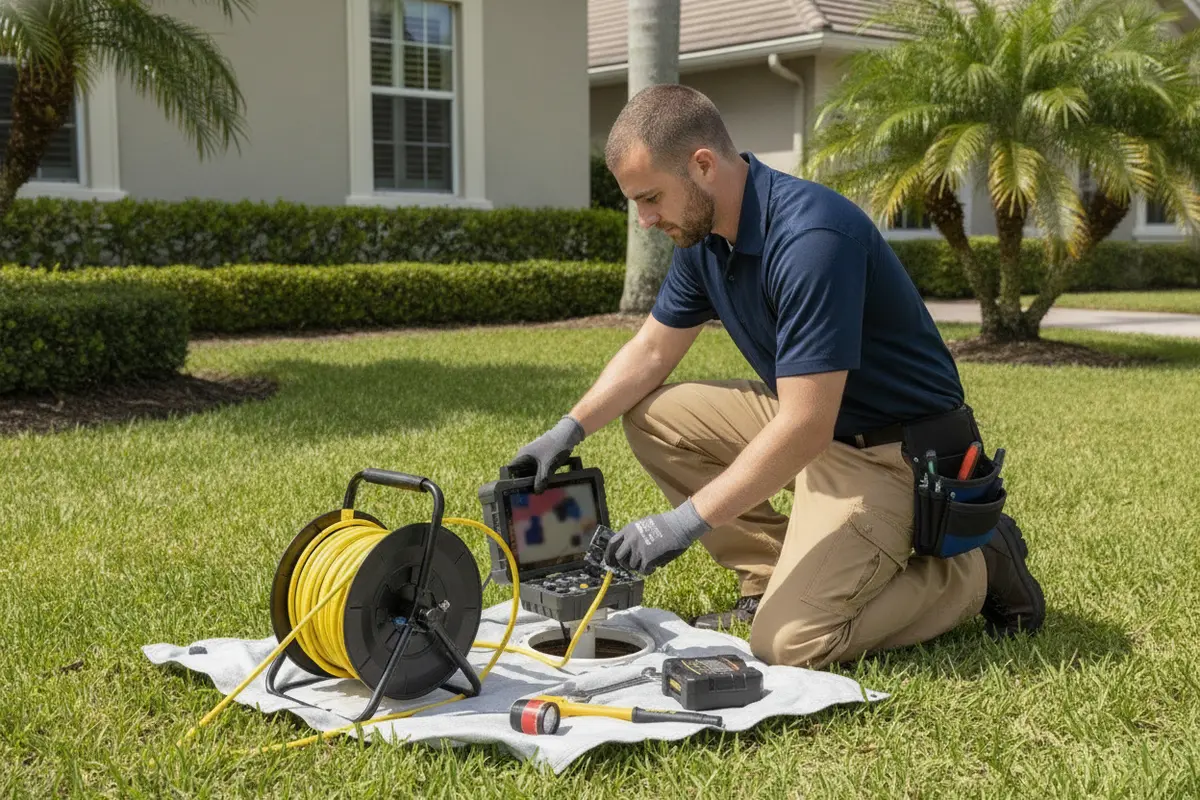
An evaluation should establish where the problem is and what can be learned about the existing line before a replacement method is selected. Depending on the symptoms and access, a plumber may inspect the line with a sewer camera, identify the affected section, and review the route and access options. Conditions vary, so ask what testing is appropriate for your situation.
Share details that can help focus the assessment: when symptoms began, whether they recur, which fixtures are affected, any recent plumbing work, and whether there have been backups or unusual changes. If multiple drains are slow or a sewer odor or backup is present, explain that clearly. Avoid assuming the cause based on one symptom alone.
Ask for findings in terms you can use: what is damaged, where it is, whether the issue appears localized or broader, what options are feasible, and what is included in the recommended work. For an additional local service overview, see our trenchless sewer line replacement page.
It can help to separate what the inspection confirms from what remains uncertain. A camera view may reveal the inside condition and show where an obstruction or defect appears, but the view alone may not answer every question about the outside of the pipe, soil, or access. Ask whether additional locating or evaluation is needed before the crew can finalize the scope. If a proposal depends on assumptions, ask that those assumptions be stated clearly.
Before work begins, make a short list of practical concerns: access to the work area, pets or gates, nearby paving or planting you want the crew to know about, and how the site will be left at the end of the job. Discuss these early so the plan accounts for them. Keep a copy of the written scope, quote, and any inspection notes, and make sure you understand how changes will be explained and approved.
A useful evaluation conversation can follow a simple sequence. First, describe the symptoms and when they occur. Next, review the inspection result and identify the location of any visible defect. Then ask the plumber to explain which methods could address that finding and what site conditions affect each one. Finally, confirm the proposed work boundaries, access plan, and price. This sequence helps you move from a symptom to a plan without skipping the diagnosis step.
Do not hesitate to ask for unfamiliar terms to be explained. If the recommendation includes a lining or bursting process, ask what that process does to the existing pipe and what access it needs. If excavation is proposed, ask how much of the route will be opened and how the crew will protect nearby surfaces. A useful answer should connect the selected method to the observed condition rather than relying only on a general claim that one approach is newer, faster, or less disruptive.
Call (239) 785-9022 to discuss your sewer line
Frequently asked questions
Does trenchless sewer replacement mean no digging?
No. Trenchless methods typically still need access points, and the work may require excavation in selected locations. The term refers to reducing or avoiding a continuous open trench in suitable conditions, not a guarantee that the surface will remain untouched.
Is pipe lining the same as pipe bursting?
No. Pipe lining installs a lining within an existing pipe. Pipe bursting uses equipment to break apart or displace the old pipe while pulling a replacement into place. Each method has its own requirements, so ask which process is proposed and why it fits the inspected line.
Which option costs less?
There is no reliable answer without comparing the actual scope and property conditions. Access, pipe condition, depth, equipment, surface restoration, and the length of work can affect a quote. Compare written proposals that cover the same work and ask for a fixed-price explanation of what is included.
Can trenchless methods be used on every sewer line?
No. The existing pipe’s condition and route, access, and site constraints can make a particular technique unsuitable. An inspection helps determine whether lining, bursting, excavation, or another repair plan is appropriate.
What should I do if sewer symptoms return after a repair?
Contact the plumber who performed the work and describe which symptoms returned and when. Ask how the symptoms relate to the completed scope and what follow-up inspection is appropriate. Avoid assuming that the same cause or location is responsible without checking.
Discuss the right sewer line next step
At Whiskey Creek Plumbing, we help homeowners understand the condition of their plumbing and the options available. We use a fixed-price service model, so ask us to explain the proposed scope and price before you decide.
Contact our team to discuss your sewer line
A careful inspection and clear comparison can help you choose a sewer line plan that fits your property and the problem at hand.