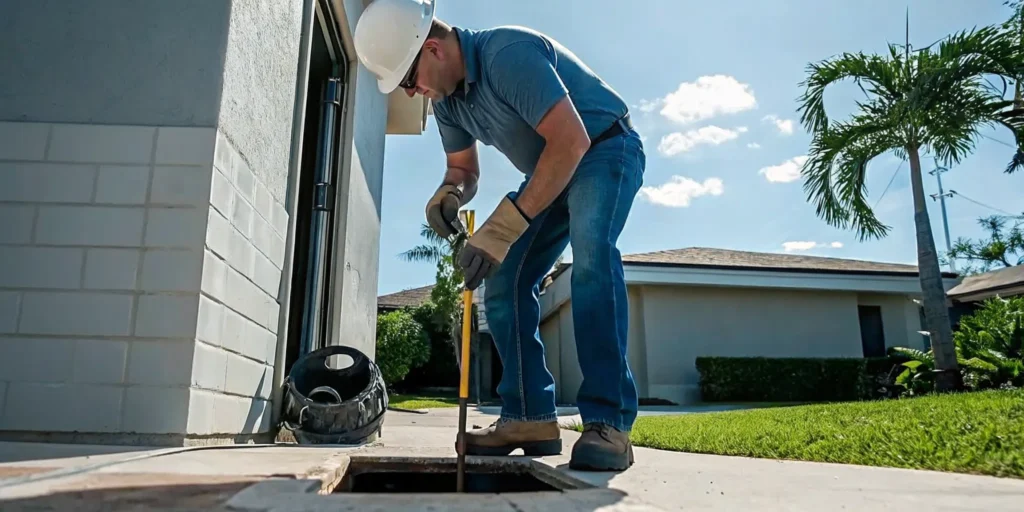
A damaged sewer line can interrupt daily life, but repairing it does not always require a long trench across the lawn. For homeowners considering trenchless sewer repair Fort Myers FL, modern methods may restore a failing line through a few controlled access points while helping preserve landscaping, patios, and driveways. The right solution starts with a thorough inspection, an accurate diagnosis, and a clear explanation of what the existing pipe can support.
Request a trenchless sewer line evaluation
What Is Trenchless Sewer Repair Fort Myers FL Service?
Trenchless sewer repair restores or replaces an underground sewer line with limited excavation. Depending on the pipe’s condition, a plumber may install a cured liner inside the existing line or pull a replacement pipe through its path. A camera inspection determines whether either method is appropriate.
Traditional sewer replacement exposes the damaged line by digging along most or all of its route. Trenchless work takes a different approach. Technicians access the sewer from an existing cleanout or one or more small pits, then complete much of the repair below the surface. This can reduce disruption to mature landscaping, walkways, driveways, and other improvements above the pipe.
Two methods are commonly discussed. Cured-in-place pipe lining, often called CIPP, creates a new pipe surface inside the old line. Pipe bursting breaks apart the old line while pulling a replacement into position. Neither method is automatically better. The correct choice depends on the material, diameter, alignment, connections, and severity of damage found during the inspection.
Why local conditions matter
A sewer repair plan must account for the individual property. The route may pass beneath a driveway, pool deck, planted area, or other feature worth protecting. Soil conditions, access, nearby utilities, and the location of branch connections also affect what can be done. A careful site review helps the plumber determine where access points can be placed and whether trenchless equipment can move safely through the line.
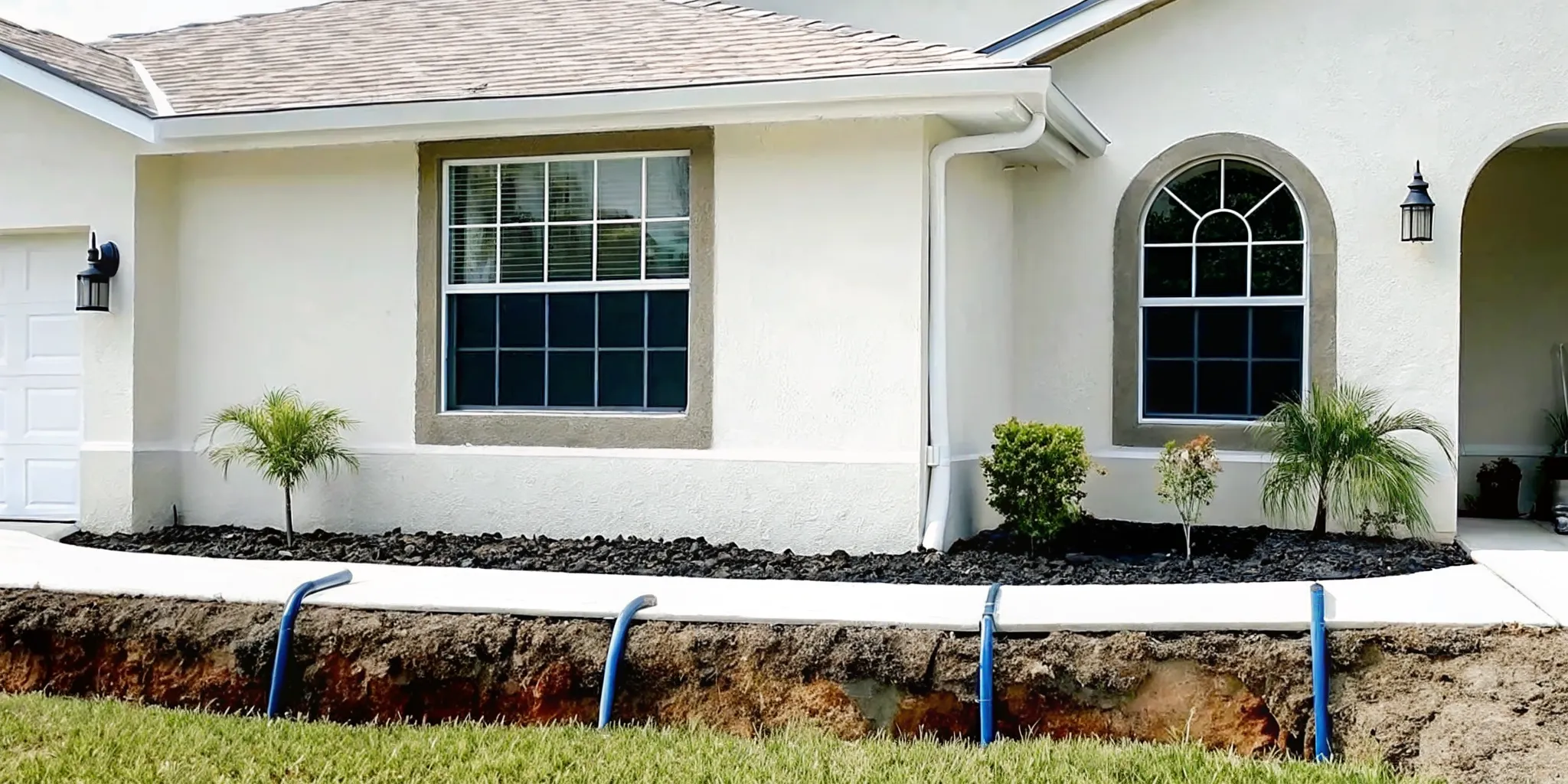
Trenchless methods still involve excavation. The advantage is that digging may be concentrated at strategic points instead of extending along the complete sewer route. Homeowners should expect an honest explanation of the necessary access, not a promise of a completely dig-free repair.
How Does the Trenchless Sewer Repair Process Work?
The process begins with a sewer camera inspection and evaluation of the pipe’s route and condition. The line is cleaned and prepared, then the selected liner or replacement pipe is installed through controlled access points. A final camera inspection and functional testing confirm the completed work.
A dependable trenchless result begins before any liner or replacement pipe enters the ground. The plumber needs to understand why the sewer is failing, where the damage sits, and whether the surrounding sections can support the planned method. Skipping diagnosis can leave an underlying problem unresolved or lead to an installation that does not fit the line.
1. Inspect and locate the sewer line
A sewer camera provides a live view of the pipe interior. It can reveal cracks, root intrusion, separated joints, corrosion, buildup, offsets, or a collapsed section. Locating equipment helps map the camera’s position from above ground. If moisture is appearing in an unexpected area, professional leak detection support may help clarify the source before the repair plan is finalized.
2. Clean and prepare the pipe
Pipe lining requires a clean interior so the liner can form correctly against the existing pipe. The preparation method depends on what is inside the line and the condition of its walls. After cleaning, the plumber inspects the pipe again. This second look is important because buildup can hide defects during the first camera pass.
3. Install the selected system
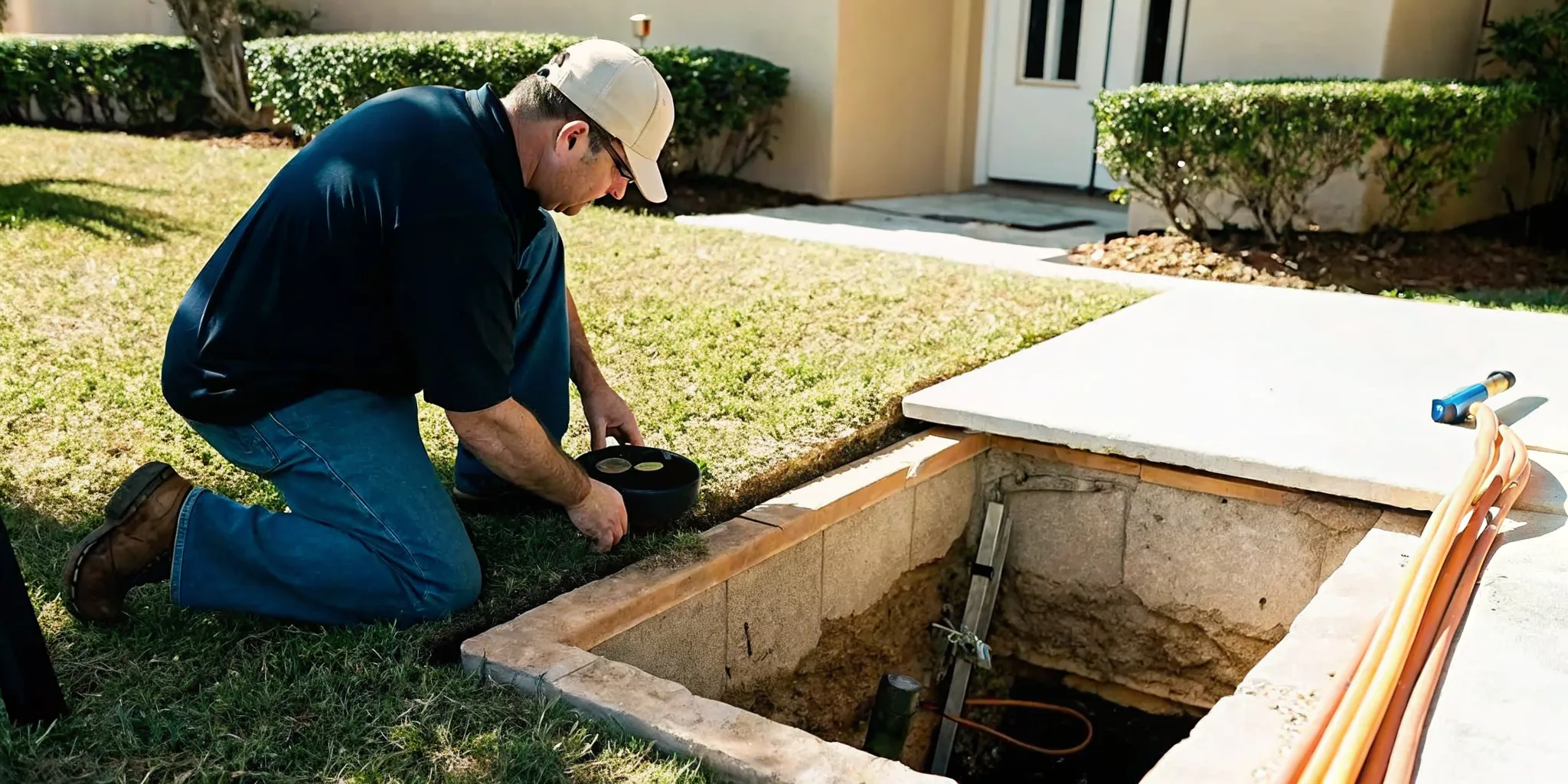
For lining, a resin-saturated liner is positioned inside the existing pipe and cured to form a smooth, continuous interior. For pipe bursting, specialized equipment moves through the old pipe’s path and pulls a new pipe behind it. Access needs and installation details vary by property and method.
4. Verify the finished line
A final camera pass allows the plumber to review the repaired section, transitions, and flow path. The system should also be tested before access areas are restored. Homeowners should ask what verification will be completed and what documentation they will receive. Clear final evidence is part of a professional sewer repair, not an optional extra.
Which Method Is Better: Pipe Lining or Pipe Bursting?
Pipe lining is often suitable when an existing sewer remains structurally stable enough to host a new interior surface. Pipe bursting is generally considered when replacement is needed along the existing route. A camera inspection, pipe assessment, and site review determine which method is practical for a specific property.
The choice should follow the diagnosis. Lining can seal many cracks, joints, and intrusion points while retaining the old pipe as the host. Because the liner occupies space inside the line, the plumber must confirm that the finished diameter and branch connections will work correctly. A pipe that has lost its shape or collapsed may not provide a suitable pathway for a liner.
Pipe bursting is a replacement approach. A bursting head fractures or displaces the existing pipe while pulling a new line into place. It usually requires access at both ends of the section and enough room for equipment. Nearby utilities, bends, transitions, and certain pipe materials can affect feasibility.
| Consideration | Pipe Lining | Pipe Bursting |
|---|---|---|
| Primary purpose | Creates a new interior within a suitable host pipe | Replaces the existing line along its route |
| Typical access | Existing opening or limited access points | Usually entry and receiving access pits |
| Existing pipe condition | Must retain a usable shape and pathway | Can address some severely damaged lines |
| Diameter effect | Slightly reduces internal diameter | May retain or potentially change diameter, subject to conditions |
| Key limitation | Not appropriate for every collapse, offset, or deformation | Site access, utilities, and pipe route may limit use |
A reputable recommendation will explain both the selected method and the reasons other options were ruled out. In some cases, a targeted excavation remains the safest or most effective solution. Whiskey Creek Plumbing can also discuss related pipe repair options when damage extends beyond the sewer section being evaluated.
Explore minimally invasive sewer repair options
When Is a Sewer Line a Good Candidate for Trenchless Repair?
A sewer line may be a good trenchless candidate when its route is accessible, the damage matches an available method, and the planned installation can preserve proper flow and connections. Severe collapse, major misalignment, unsuitable materials, or difficult site conditions may require conventional excavation instead.
Recurring drain trouble can point to a sewer problem, but symptoms alone do not establish trenchless candidacy. Slow fixtures throughout the home, repeated backups, sewer odors, unusually green patches, or persistent root intrusion justify an inspection. They do not reveal whether the line needs cleaning, a localized repair, lining, bursting, or full excavation.
Conditions that may support trenchless work
- The damaged section can be reached from appropriate access points.
- The pipe route and surrounding utilities allow safe equipment setup.
- The existing line has a usable path for the chosen method.
- The plumber can address branches and transitions correctly.
- The completed repair can maintain suitable flow and alignment.
Conditions that may change the plan
A fully collapsed line can block the path needed for lining. Significant bellies, where a pipe holds standing wastewater because it has sagged, generally require correction of the grade rather than simply adding an interior liner. Major offsets, complex bends, close utility conflicts, or limited equipment access can also make excavation necessary.
That is why inspection findings should guide the recommendation. Ask to see the camera footage and have the plumber identify the exact problem areas. If a trenchless approach is not suitable, a straightforward explanation protects you from paying for a method that cannot correct the underlying defect.
What Should Fort Myers Homeowners Ask Before Approving Work?
Before approving trenchless sewer work, ask what caused the failure, which sections will be repaired, why the recommended method fits, and where digging is required. Also request an explanation of final testing, property restoration, timing, warranty terms, permits, and the fixed-price scope before work begins.
A clear proposal should define the work rather than relying on the word “trenchless” as a catchall. Ask the plumber to mark the repair route and expected access points. Confirm which surfaces may be affected and who is responsible for restoring them. If the sewer has multiple defects, make sure the proposal states whether every affected section is included.
Questions that reveal the quality of the plan
- What did the camera inspection show, and can I review the recording?
- Is the recommendation lining, pipe bursting, targeted excavation, or a combination?
- Why is this method appropriate for the pipe material and damage?
- How will branch connections and transitions be handled?
- What access pits or openings are necessary?
- How will the completed line be tested and documented?
- What is included in surface restoration?
Whiskey Creek Plumbing offers fixed-price service, which gives homeowners a defined scope to review before moving forward. Ask what assumptions are included and how unexpected conditions would be communicated. The company’s satisfaction guarantee is another verified differentiator worth discussing as you review the proposed repair and its terms.
If you need a broader assessment before deciding, review the company’s Fort Myers plumbing services or call (239) 785-9022. A focused conversation about inspection findings is more useful than choosing a method based only on a general description.
Planning a Trenchless Sewer Project With Less Disruption
Once a trenchless method is approved, a little preparation can make the workday smoother. Clear vehicles, outdoor furniture, and movable items from the planned access areas. Keep pets and children away from equipment zones. If work will affect sewer use, ask when sinks, toilets, showers, and laundry should remain off limits.
Take photos of landscaping and hardscape near the work area before the project begins. These provide a useful record for everyone. Ask where equipment will enter the property, how excavated soil will be managed, and what cleanup is included. Limited excavation still requires enough room for safe setup and operation.
Understand the complete scope
Trenchless repair addresses the specified underground sewer section. It does not automatically resolve every drain concern inside the building or every issue beyond the repaired limits. Confirm the start and end points, the connections included, and any sections that will remain unchanged. This helps set realistic expectations for the finished system.
Homeowners should also ask whether permits or inspections apply to the planned work. Requirements can vary with project details and location. The contractor should explain the process that applies rather than making assumptions. Good planning protects the property, supports an orderly installation, and makes final verification easier.
Discuss your Fort Myers sewer line project
Frequently Asked Questions About Trenchless Sewer Repair
Does trenchless sewer repair require any digging?
Usually, yes. Trenchless methods reduce excavation but may still require one or more access points. The size and location depend on the selected method, pipe route, cleanout availability, and property conditions. A site-specific proposal should show where digging is expected before work begins.
Can every damaged sewer line be repaired with a liner?
No. A liner needs a suitable host pipe and a usable pathway. Severe collapse, significant deformation, major offsets, or incorrect grade may rule out lining. Camera inspection and pipe preparation reveal whether lining can correct the actual problem.
How do I know whether pipe bursting is appropriate?
Pipe bursting may be considered when replacement is needed and the existing route can accommodate the equipment and new line. Access space, nearby utilities, pipe material, bends, and connection details all matter. A plumber should explain why bursting fits the inspected conditions.
Will trenchless repair protect my driveway and landscaping?
It can substantially reduce disturbance compared with a continuous open trench. However, access pits and equipment paths may still affect parts of the property. Ask for a marked access plan and a clear restoration scope so you understand what will be protected and what may change.
How is the completed sewer repair checked?
Verification commonly includes a post-installation camera inspection and functional testing. The plumber should review the finished section, transitions, connections, and flow path. Ask what documentation will be provided and raise any questions before access points are restored.
Who should I call to schedule trenchless sewer service?
Call Whiskey Creek Plumbing at (239) 785-9022 to discuss sewer line symptoms and schedule an evaluation. The team can inspect the line, explain whether a trenchless method is suitable, and provide a fixed-price service scope backed by a satisfaction guarantee.
Schedule Service With Whiskey Creek Plumbing
Do not let recurring sewer trouble turn into repeated disruption. Get a clear diagnosis, understand the repair options, and choose a plan built around the actual condition of your line. Call (239) 785-9022 or schedule sewer line service today.