

When homeowners ask, “what are the different types of drains,” they may mean the drains at individual fixtures or the larger pipes that carry wastewater away from the house. Both matter: each fixture drain connects to a branch line, and branch lines ultimately lead toward a main drain or sewer connection. Knowing which part is involved can help you describe a problem and choose a sensible next step.
What are the main types of drains in a home?
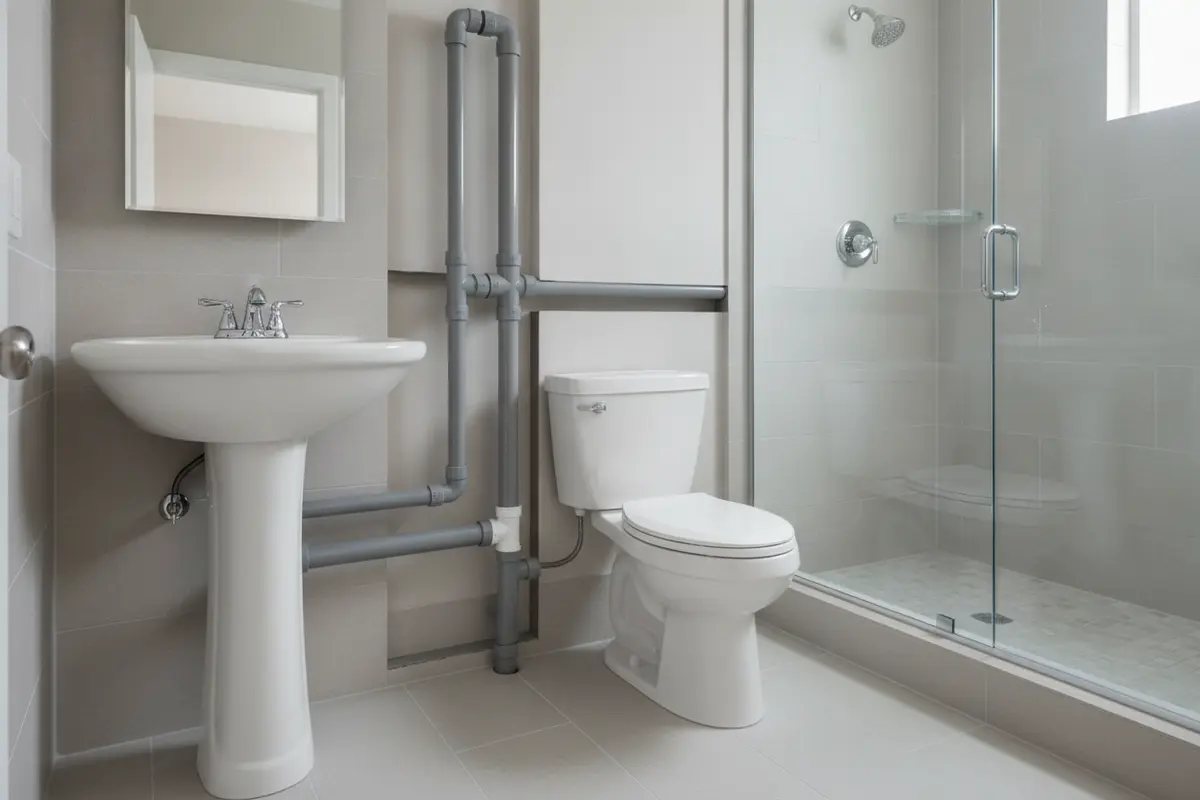
Household drainage is a connected system, not a collection of unrelated holes. A fixture drain serves one sink, tub, shower, toilet, or appliance. Smaller drain branches combine with other lines, and a larger building drain carries wastewater toward the sewer connection or an onsite wastewater system. Separate systems may handle roof runoff and surface water.
The everyday names can be confusing because people use “drain” to mean both an opening and the pipe behind it. A sink strainer is not the same thing as the sink’s trap, and neither is the same as the main drain. A useful first step is to note where water is backing up and whether other fixtures are affected.
- Fixture drains: Openings and connected piping serving an individual plumbing fixture.
- Branch drains: Pipes that collect wastewater from one or more fixture drains.
- Main building drain: The larger drain carrying wastewater out of the building toward the sewer or septic connection.
- Special-purpose drains: Floor, area, roof, and other drains intended to manage water in specific places.
How do fixture drains differ?
Fixture drains are the drains you see or use each day. They are designed around the fixture and the kind of water it receives. A sink may catch food particles or soap residue. A shower receives hair and soap. A toilet carries waste and toilet paper. These differences affect how a blockage develops and what steps are safe.
Sink drains
Kitchen sink drains commonly collect food scraps, grease, and soap residue. Bathroom sink drains often collect hair, toothpaste, and personal-care products. A strainer can catch some debris, but it does not prevent everything from entering the pipe. Avoid pouring cooking grease down the sink; it can cool and cling to pipe interiors. Wipe greasy pans before washing them.
Many sinks have a curved trap beneath the basin. The trap holds water that helps block sewer gases from entering the room. If a sink drains slowly, the obstruction might be near the stopper or trap, but a recurring problem can also involve the branch pipe farther along. For a persistent blockage, review our guide to when a clogged drain may need a plumber.
Shower and bathtub drains
Showers and tubs usually drain through a strainer or stopper into a trap and branch line. Hair and soap buildup are common reasons water begins to pool. Remove visible hair from the strainer when practical, but do not force tools deep into the pipe or use a sharp object that could damage a fitting. A tub that drains slowly along with nearby fixtures may point to a larger shared line issue rather than only the tub opening.
Toilet drains
A toilet has a built-in trapway and connects to the drainage system through a toilet outlet. Only human waste and toilet paper should be flushed. Wipes, cotton products, paper towels, and hygiene products can obstruct the fixture or downstream piping, even when a package describes an item as flushable. If a toilet overflows, stop flushing and use its shutoff valve if you can reach it safely.
Laundry and appliance drains
Washing machines discharge water through a standpipe or another approved connection to the drainage system. The water can carry lint, detergent residue, and soil. Dishwashers typically discharge through a connection associated with the kitchen sink drain. If an appliance backs up, check whether the nearby sink or other fixtures are also slow. That pattern helps distinguish a local appliance connection from a shared branch or main drain concern.
What are branch drains and the main drain?
A branch drain receives wastewater from one or more fixture drains. Several branches may serve different parts of a home before they connect to a larger building drain. That larger drain carries wastewater away from the structure. The exact layout varies by building, so a homeowner should not assume that two nearby fixtures share the same branch.
The location of symptoms can offer clues, but it cannot confirm the pipe location or condition. If one sink is slow while all other fixtures work normally, the issue may be close to that fixture. If multiple fixtures on different levels back up or gurgle around the same time, the concern may be farther downstream. A sewage odor or wastewater coming up through a low drain deserves prompt attention.
Do not open a cleanout or remove a toilet to investigate a suspected main-line blockage unless you know how to manage the wastewater risk. A plumber can assess the symptoms and, when appropriate, use a camera inspection to see inside a line. Learn more about available plumbing services in Lee County and the types of assessment that may help identify the problem.
Which drains manage water outside or on the floor?
Floor drains
A floor drain is set into a floor in places where water may collect, such as a laundry area, garage, or utility space. Some floor drains connect to the sanitary drainage system; others may be arranged differently depending on the building and local requirements. Keep the grate clear of debris. If a floor drain is rarely used, its trap water can evaporate, allowing odors to escape; adding water may restore the water seal if the drain is otherwise functioning.
Water coming up through a floor drain is different from a slow sink. It may indicate a blockage or backup in a line serving several fixtures. Avoid using the affected plumbing until the source is understood, especially if the water appears contaminated.
Roof and stormwater drains
Roof drains, gutters, downspouts, and yard drains manage rainwater. They are not substitutes for household wastewater drains. Keep leaves and loose debris from blocking gutters and surface grates, and direct runoff away from areas where it could enter the home. A roof drain that overflows during rain calls for attention to the rainwater path, not a chemical drain opener.
Never assume an outdoor grate is connected to the sanitary sewer. Stormwater systems and sanitary plumbing have different purposes, and local arrangements vary. If you are unsure where an outside drain leads, ask a qualified plumbing professional rather than connecting it to another pipe.
How can you identify which drain may be involved?
Record what you observe before trying a fix. Note the first fixture affected, whether the problem is constant or intermittent, and whether water changes when another fixture runs. This information can help a plumber narrow down whether the concern is at one fixture, a shared branch, or farther downstream.
- One fixture is slow: Look for visible debris at its strainer or stopper. If cleaning the accessible area does not help or the problem returns, avoid repeated forceful attempts.
- Several nearby fixtures are slow: They may share part of a branch line. Note which fixtures are affected and whether they are on the same floor.
- Several fixtures back up or gurgle: Stop adding water and seek help. A shared or main-line issue may need professional assessment.
- Water appears at a floor drain: Keep people and pets away from potentially contaminated water and limit use of connected fixtures.
- Only an outdoor drain overflows in rain: Check for visible leaves or debris if it is safe, and distinguish rainfall runoff from wastewater backup.
A simple observation routine makes the pattern easier to explain. First, stop flushing or running water if it is backing up. Next, check whether the problem is isolated to one fixture or also affects other drains; do not keep testing by running more water if wastewater is rising. If it is safe, take a photo of visible water or note when the symptom occurs. Record whether the issue follows laundry, a shower, or heavy rain. Share the details and any products already used when you request help.
These are clues, not a diagnosis. A hidden obstruction, damaged pipe, poor drainage slope, or another condition can create similar symptoms. Our article on finding a hidden water leak covers a separate issue: a leak is water escaping a pipe, while a drain problem concerns water failing to flow away as intended.
What should you avoid putting down a drain?
Good habits reduce avoidable blockages, though they cannot prevent every plumbing problem. Keep grease, cooking oil, coffee grounds, and food scraps out of sink drains. Use a basket strainer where practical. In bathrooms, clear hair from strainers and keep wipes and hygiene products out of toilets. Follow the appliance manufacturer’s directions for laundry and dishwasher connections.
Use caution with chemical drain cleaners. A product may not clear the obstruction, and liquid left in a backed-up line can create a splash or exposure hazard during later work. Never mix drain chemicals or combine them with another cleaner. If you have already used a product, tell the plumber what it was before anyone works on the fixture.
Code requirements and approved installation details depend on the building and jurisdiction. The International Association of Plumbing and Mechanical Officials develops plumbing and mechanical codes and related standards; for a specific home, rely on applicable local requirements and a qualified professional rather than treating a general article as an installation specification.
Why do drains need traps and venting?
Many fixture drains include a trap: a curved section that retains water after the fixture empties. That water seal helps keep sewer gases from traveling back through the drain opening. A dry or poorly functioning trap can allow odors into a room, while a blockage can prevent wastewater from passing through it normally. Do not remove a trap or make permanent changes to the plumbing just to address an odor; the cause may be elsewhere in the system.
Drainage systems also rely on air movement through vent piping. Venting helps the system drain as designed and reduces pressure changes that can affect trap seals. Gurgling sounds can have several causes, including a restriction or a venting concern, so the sound alone does not identify the fault. If a drain repeatedly gurgles or a trap seems to lose its water seal, note which fixtures are involved and ask a plumber to evaluate it.
How do drain service options compare?
The right approach depends on what is blocked, where the obstruction is, pipe condition, and access. A simple fixture-level issue is not the same scope as a blockage in a shared branch. A plumber may ask what you have already tried before recommending a method.
| Situation | Possible next step | What to keep in mind |
|---|---|---|
| Visible debris at one strainer | Remove accessible debris and test with a modest flow of water | Do not force tools into the pipe or damage the stopper. |
| One fixture stays slow or repeatedly clogs | Have the fixture trap and connected line assessed | Repeated symptoms may mean the blockage is beyond the opening. |
| Multiple fixtures affected | Stop using affected fixtures and request an evaluation | A shared branch or main drain may be involved. |
| Recurring or hard-to-locate blockage | Ask whether camera inspection or another diagnostic step is appropriate | The method should suit the pipe and the reported symptoms. |
| Heavy buildup in a suitable line | A professional may consider mechanical cleaning or hydro jetting | Pipe condition and access should be assessed before choosing a method. |
Drain snaking and hydro jetting are not interchangeable in every case. Snaking may clear certain localized obstructions; hydro jetting uses high-pressure water to clean suitable pipe interiors. Neither should be chosen by name alone. Pipe material, age, condition, access, and the nature of the blockage matter. See our comparison of hydro jetting and snaking for more detail.
What should you ask before approving drain work?
Before work begins, ask the plumber to explain the suspected location and evidence for it. A clear assessment should distinguish what is known from what is still uncertain. If a camera inspection or other diagnostic step is proposed, ask what question it is intended to answer and whether the findings will change the recommended repair.
- Which fixtures or sections appear to be affected?
- What method do you recommend, and why is it suitable for this pipe?
- Could the same symptoms point to more than one cause?
- What is included in the quoted work, and what would require approval as additional work?
- Will the system be tested after cleaning or repair?
- What should I avoid using until the work is complete?
At Whiskey Creek Plumbing, we use fixed-price service rather than hourly billing, with an upfront quote for the agreed work. Ask what the quoted scope includes before approving a job. You can also review our guide to fixed-price plumbing to understand how a flat-rate approach differs from time-based billing.

Review plumbing service options
Frequently asked questions
Are all household drains connected to the same pipe?
No. Individual fixture drains typically connect to branch piping, which joins larger drainage piping, but layouts differ. Roof and yard drains may be separate stormwater systems rather than sanitary plumbing.
Why does one drain clog while the others work?
The obstruction may be near that fixture, such as at a strainer, stopper, trap, or its branch connection. If the clog keeps returning, the blockage may be farther into the line or another condition may be contributing.
Can I use boiling water or a chemical cleaner to clear a drain?
Avoid assuming either is safe for every fixture and pipe. Very hot water can harm some materials or fixtures, and chemical cleaners can create hazards, especially if they remain in a backed-up line. Follow product and fixture instructions, never mix cleaners, and get help for recurring or multi-fixture backups.
When should I call a plumber for a drain problem?
Call when several fixtures are affected, wastewater backs up, an odor persists, or a blockage returns after basic accessible debris is removed. Stop using affected fixtures if wastewater is rising, and explain any drain cleaner already used.
Plan a clear next step
Understanding the difference between a fixture drain, branch, main drain, and stormwater drain helps you explain what is happening without guessing at the repair. Pay attention to which fixtures are affected, avoid adding water during a backup, and leave diagnosis of hidden or recurring problems to a professional.
Call Whiskey Creek Plumbing at (239) 785-9022
If the issue is more than a simple, visible obstruction, a clear assessment and an upfront explanation can help you choose the right next step for your home.