
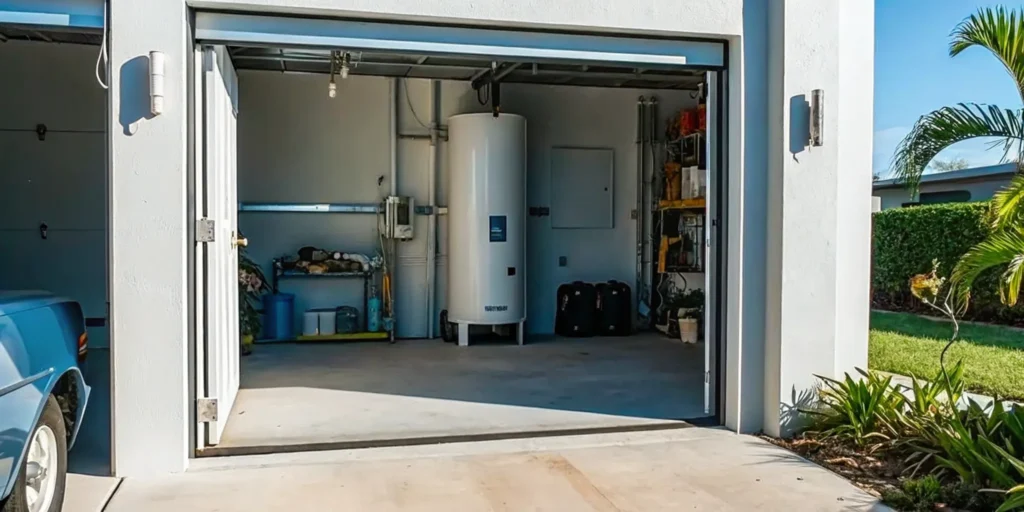
A failing water heater forces a quick choice between traditional storage tanks and tankless units in Southwest Florida. The right pick depends on your family size and how much hot water you use every day.
For most families in Fort Myers, the tank vs tankless water heater debate involves choosing between lower upfront costs and long-term energy savings for your home. Storage tanks hold 20 to 80 gallons of hot water; however, tankless units heat water only on demand using a burner. The U.S. Environmental Protection Agency states these demand-based systems offer energy savings of 45 to 60 percent compared to standard tanks. These modern units also provide an endless supply of hot water for your entire home and family. While these units save space and last for twenty years, you must weigh these benefits against the higher initial price and your water demand needs.
To choose the best system for your home, you must understand your options. Compare Water Heater, Drain, and Home Plumbing Systems in Fort Myers for the best value. We will start by looking at How Traditional Tank Water Heaters Work, and the path begins with
Tank Vs Tankless Water Heater: How Traditional Tank Water Heaters Work
A standard tank water heater is the most common choice for homes in Fort Myers. These units use a big, lined tank to hold and heat water. Most tanks for families hold 30 to 80 gallons. Inside the tank, a gas flame or electric rods heat the water. The heat level is usually set from 120 to 140 degrees. Since the tank stays full, hot water is ready as soon as you turn on the tap.
The role of the storage tank
The main part of this system is the tank itself. It sits on the floor and takes up quite a bit of space in a garage or closet. Cold water goes in through a tube to the bottom. The heater then warms it up. Hot water stays at the top of the tank until you need it. A thick layer of foam keeps the heat inside. But some heat still leaks out through the tank walls. This is called standby heat loss. You can check for signs your water heater is failing if your hot water runs out too fast.
Gas vs electric heating
How the unit heats the water depends on your home power source. Gas units use a flame at the bottom to heat the tank floor. These units often cost about 50 percent less to run than electric ones. Electric units use two metal rods that go right into the water. Gas units save money on bills but they need a vent to send air outside. Both types are simple for the team at Whiskey Creek Plumbing to fix or set up.
Lifespan and care needs
Most tank water heaters last about 8 to 12 years. To keep yours working well, you should flush the tank once a year. This clears out dirt that can build up on the bottom. Inside the tank, a metal rod helps stop rust. It takes the hit from the water so the tank wall stays safe. If you do not change this rod, the tank might leak. As the U.S. Environmental Protection Agency notes, these units are a very common way to get hot water. When you look at a tank vs tankless water heater, the low start price of a tank is often a big plus.
How Tankless (On-Demand) Water Heaters Work
A tankless water heater works in a new way compared to a normal tank unit. Instead of keeping a large store of hot water, it heats water only as you use it. This method removes the need for a big storage tank and helps stop energy waste. Many people find that upgrading to a tankless system saves floor space and lowers monthly energy bills.
Heating Water on Demand
When you turn on a hot water tap, cold water flows into the unit. A flow sensor finds this movement and starts the heating process. In a gas unit, a high-power burner lights up. In an electric unit, a heating element turns on. This heat moves into a coil called a heat exchanger. The water gets hot as it moves through this part and then goes to your tap. According to the U.S. Environmental Protection Agency, these units stop standby energy losses. They do this because they do not keep water hot when no one is using it.
Small Size and Long Lifespan
One big perk of tankless units is their small size. These units are thin and usually mount on a wall. This frees up floor space in your garage or laundry room for other items. Because they do not hold water all the time, they do not rust out as fast as a tank unit. This design leads to a much longer life. A tankless unit can last for 20 years or more with good care. By contrast, a normal tank unit often needs a swap after 8 to 12 years.
How It Runs and Care Needs
A tankless unit can give you an endless supply of hot water for a long shower. But there are limits to how much water it can heat at one time. If you run a shower, a dishwasher, and a clothes washer all at once, the unit may struggle. You must choose a unit that matches the peak hot water demand of your home. In areas with hard water, like Southwest Florida, these units need a yearly flush. This removes the scale that can build up and slow down the unit. Whiskey Creek Plumbing can help you decide if a tank vs tankless water heater is the right choice for your family.
Energy Savings in Florida: Which Wins?
Heating water takes a lot of power. In fact, it accounts for about 15 percent of home energy use on average. For families in Fort Myers, choosing the right system can help cut monthly bills. Florida’s warm air and high ground water temps can make a big difference in how well your heater works.
The Problem with Tank Heat Loss
Standard units keep water hot in large tanks all day and night. This leads to standby heat loss because the burner must cycle on to keep that water ready. Since these tanks waste power 24/7, they are less efficient for most homes. You can decide between tank and tankless models by looking at your daily hot water needs.
Why Tankless Saves More
A tankless unit heats water only when you turn on a faucet. This on-demand style can offer energy savings of 45 to 60 percent compared to some older models. These systems use a coil to heat water fast, so they do not lose power to standby cycles. In a warm place like Florida, the unit does not have to work as hard to reach your target heat.
| Savings Metric | Standard Tank Unit | Modern Tankless Unit |
|---|---|---|
| Standby Energy Loss | High (heats water 24/7) | None (heats on demand) |
| Average Efficiency | Lower (due to heat loss) | 24-34% more efficient |
| Daily Cost | Highest for electric tanks | Lower for gas or electric |
| Expected Lifespan | 8 to 12 years on average | Up to 20 years or more |
Florida Specific Savings
The ground water in Lee County stays fairly warm. This means your heater starts with water that is already close to 70 degrees or higher. Tankless units shine here because they can reach the best heat faster than in northern states. Knowing the benefits of upgrading to tankless water heaters can help you plan for a more efficient home.
Upfront Cost vs. Long-Term Value
Choosing a new unit often comes down to the price you pay now versus the savings you see later. Standard tanks have the lowest first cost for most homes. These systems usually cost between $800 and $2,500 to set up. But they only last about 8 to 12 years before they need to be replaced again.
Comparing Installation Prices
Modern units that heat on demand have a higher price tag at the start. You might pay $1,500 to $4,500 or more to put one in. This price often includes extra work to update your home. Switching to this style may need new gas lines, vents, or wire upgrades. You can read about factors affecting water heater installation costs to help plan your budget.
Lifespan and Total Savings
While you pay more at first, demand units can save you money for many years. These systems often reach a lifespan of 20 years. That is twice as long as most tanks. They also use much less power because they do not keep a large tank of water hot all day. This shift can lead to energy savings of 45 to 60 percent compared to older standards.
Maintenance and Upkeep Costs
Both systems need care to run well and last a long time. Standard tanks need a flush once a year. They also need a new metal rod every few years to stop rust. Units that heat on demand need a flush about once a year to clear out hard water minerals. This service usually costs about $100 to $150. Even with these costs, the energy savings and long life often make demand units a better deal for many families over time.
Which Type Is Right for Your Fort Myers Home?
Picking the best tank vs tankless water heater for your home in Lee County depends on your daily life. A large family has different needs than a couple in a small home. You must look at your budget, your house layout, and how much hot water you use at once. We help you look at every part of the choice to find the best fit for your home.
Check your hot water demand
First, think about how many people live in your house and when they use water. If two people shower while the dishwasher runs, a tankless unit might hit its limit. These units heat water on demand through a large coil, but they can only provide so much at one time. A standard tank holds a set amount of hot water ready for use, which works well for high peak use. For more help, see our guide on deciding between repair and replacement for your current unit.
Measure your available space
Space is a big deal in many Fort Myers homes. Standard tanks take up a lot of floor space in a garage or closet. Tankless units are small and mount on the wall, which frees up room for storage. If your home has a tight layout, a compact unit can be a smart choice that makes your home more useful. We can help you find the best spot to mount a new unit in your house.
The decision framework
- List your peak use: Count how many taps or showers run at the same time during your busiest hour.
- Check your power source: See if your home uses gas or electric, as this affects the cost to set up a tankless unit.
- Look at your floor plan: Decide if you need to save floor space or if you have room for a large storage tank.
- Set your budget: Compare the higher cost of tankless units against their 20-year expected lifespan.
- Think about care: Plan for yearly service to keep your unit running well in our local hard water.
Plan for local water needs
Our water in Southwest Florida can be hard on your pipes. Both types of heaters need care to last a long time. You should flush a tank unit once a year to clear out sediment. A tankless unit needs a flush to remove scale from the heating coil so it stays efficient. We provide honest assessments of what each choice means for your home over the next ten to twenty years.
Frequently Asked Questions
Why do plumbers not recommend tankless water heaters?
Plumbers may not suggest these units for every home due to high upfront costs and setup needs. A tankless system can cost up to $4,500 to put in. It also needs a high flow of gas or power. If your home has old pipes or small gas lines, the cost to fix them can be very high. Some units also struggle to provide hot water to many taps at the exact same time.
Why do people still use tank water heaters?
Many people choose tank heaters because they are cheap to buy and easy to set up. A new tank system often costs between $800 and $2,500. These units can also handle a high need for hot water from many taps at once. This makes them a solid choice for large families. They do not need the high-cost gas line or power upgrades that tankless units often need.
Can a tankless water heater handle two showers at once?
A tankless unit can handle two showers if it is the right size for your home. However, these units have a limit on how much water they can heat at one time. The EPA says a key limit of this tech is how many taps can use hot water at once. You must choose a unit with a high flow rate for a large house.
How long do tankless water heaters last?
A tankless water heater can last for 20 years or more. This is much longer than a standard tank heater, which usually lasts about 8 to 12 years. U.S. data shows these units have a longer life because they do not store water. This stops the rust and scale that often kills tank heaters. Regular care and descaling will help your unit last as long as possible.
Ready to schedule a water heater consultation?
Waiting to fix an old water heater can lead to cold showers, high energy bills, and the high cost of a sudden flood in your home. Starting your search today allows you to pick a solid tank or tankless unit at a fixed price before your current system fails without warning.
Our family-run team will give you an honest check and help you find a solid water heater that fits your family size and budget well. We have served the Fort Myers area since 2006 and treat every local home like our own while giving the solid promise you expect from experts. You will avoid the stress of a plumbing crisis and enjoy hot water any time you need it for your chores or your morning shower.
Ready to schedule a water heater consultation? Call (239) 785-9022 to talk to a plumber from Whiskey Creek Plumbing today.
