
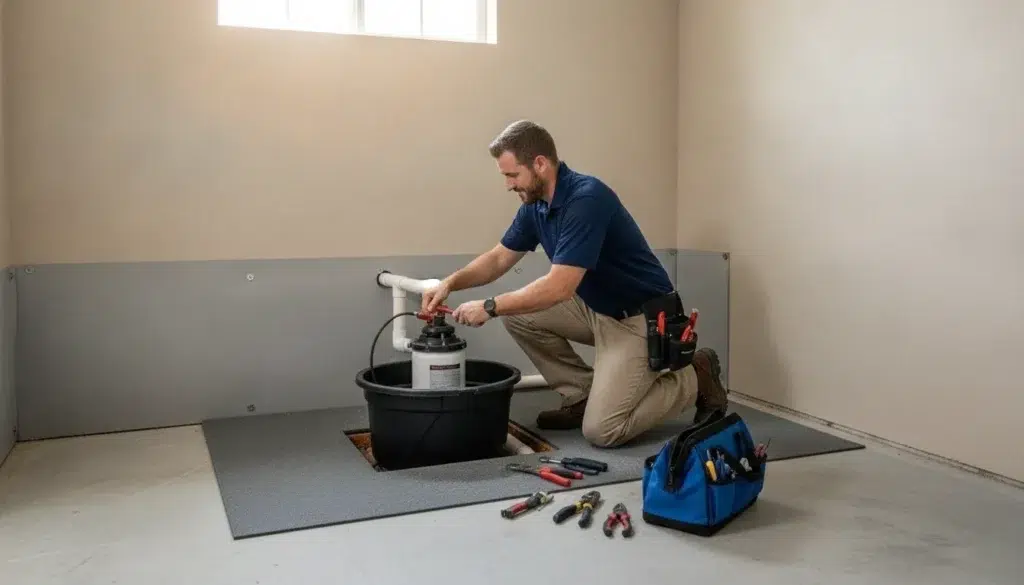
In Lee County, a short period of intense rain can put real pressure on a home’s drainage system, especially when the water table is already high. Hurricane season makes preparation worthwhile, but sump pump planning is useful well before a storm is approaching. Homeowners who understand how water moves around their foundation tend to make calmer, smarter decisions before heavy weather arrives, rather than reacting to standing water after the fact.
For homeowners asking whether sump pumps north fort myers properties need one, the answer depends on drainage, groundwater, foundation design, and past flooding. A sump pump collects water in a basin and moves it away from the foundation. A properly sized pump, tested discharge line, and battery backup can provide practical protection when heavy rain or a power outage affects the area.
We can help you evaluate installation, maintenance, or repair with a transparent fixed-price quote. For broader plumbing planning, explore our Sewer, Leak Detection, and Repiping Services. First, consider the local conditions that make a sump pump useful for some Fort Myers homes and unnecessary for others. Then decide what fits your property and your storm-season budget.
Call (239) 785-9022 to get a fixed-price sump pump quote for your Fort Myers home.
Does a Fort Myers Home Need a Sump Pump?
Not every Fort Myers or North Fort Myers home needs a sump pump, but local site conditions make one a practical form of proactive protection for many properties. Lee County has a high water table, and tropical storms can bring intense rain in a short period. Water can collect beneath or alongside a home even when there has not been a major flood. The right question is whether your property has a predictable path for groundwater or stormwater to enter a low area, crawl space, or foundation.
Homes in low-lying areas deserve closer attention, especially if the lot drains slowly or the property has experienced seepage during heavy rain. A crawl space, finished lower level, below-grade room, or basement-style storage area also increases the value of having an automatic way to move water out. Slab homes may have fewer below-grade spaces, but that does not automatically eliminate risk. Water can still collect near the foundation, enter through joints or penetrations, or overwhelm a drainage area during a tropical downpour.
Previous seepage is one of the clearest reasons to investigate. Musty odors, damp insulation, staining, standing water, or repeated wet spots after storms indicate that your drainage plan may need improvement. We can evaluate where water is collecting and whether a sump system would complement the property’s existing grading, drains, or other measures. A sump pump installation is most useful when it is designed around the actual water path, not simply placed in the lowest convenient corner.
How does a sump pump work?
A standard system uses three basic parts. Water flows into a covered or open basin installed at a low point. As the water level rises, a float switch or sensor activates the pump. The pump then pushes collected groundwater or stormwater through a discharge line and away from the foundation, where it can drain safely without returning to the same area.
The basin gives water a controlled collection point, while the float switch lets the system operate automatically when you are away or asleep. The discharge line matters just as much as the pump itself. It should direct water far enough away from the home and remain clear of obstructions, kinks, or a route that sends water back toward the foundation.
When might a sump pump not be necessary?
A sump pump may not be needed when your home has no below-grade or crawl-space area. The property drains reliably, and there is no history of seepage or pooling after heavy rain. Some homes are well protected by properly designed surface drainage and elevation. Even then, conditions can change after landscaping, construction, soil settling, or an unusually wet season. A professional assessment can help you avoid an unnecessary installation while identifying simple drainage improvements when those are the better answer.
Our family-run team focuses on clear recommendations rather than selling equipment that does not fit your home. We provide a transparent, fixed-price quote so you can decide based on the property’s needs and your storm-season goals.
Call (239) 785-9022 for a fixed-price sump pump quote before storm season.
How Sump Pumps in North Fort Myers Protect Your Home From Flooding
A sump pump gives groundwater and stormwater a controlled path away from your home. Water collects in a basin installed at the lowest practical point, and a float or pressure sensor activates the pump as the water level rises. The pump then pushes water through a discharge line to a suitable drainage area outside the foundation. Instead of allowing moisture to gather beneath the floor or press against foundation walls, the system moves it out before it becomes a larger household problem.
That function matters in North Fort Myers because local conditions can change quickly during the rainy season. Lee County homes may deal with a high water table, saturated soil, and tropical rainfall that arrives in intense bursts. During hurricane season, from June 1 through November 30, the ground may have less capacity to absorb additional water. A properly selected and installed sump pump helps manage that pressure proactively, whether the water comes from heavy rain, groundwater movement, or runoff around the structure.
Keeping water away from the foundation
Flood protection starts with collection and discharge, but the details of the installation determine how reliably the system performs. We look at the basin location, pump capacity, discharge routing, check valve, and the way water leaves the property. The discharge point should keep water from flowing back toward the foundation or creating a new drainage issue near the home. We also consider how the pump will operate during the types of storms common in Southwest Florida. Rather than treating every property as if it had the same soil and drainage conditions.
This is one part of a broader home plumbing plan. If you are reviewing drainage, sewer, or water-management concerns together, our Sewer, Leak Detection, and Repiping Services can help you identify related issues and choose the right next step. The goal is not to install equipment simply because a storm is approaching. It is to create a dependable system that fits the property and gives your family more confidence when rain is moving through the area.
Planning for storms and power interruptions
A standard sump pump needs electricity, which means a storm-related outage can interrupt operation at the exact time groundwater and rainfall are increasing. For that reason, a battery backup or another backup power plan is worth discussing when we evaluate a sump system. The best setup depends on the basin, pump design, expected water volume, and how long the home may be without power. We cover backup options in more detail elsewhere in this guide, but planning ahead can prevent a power interruption from turning a manageable drainage event into standing water.
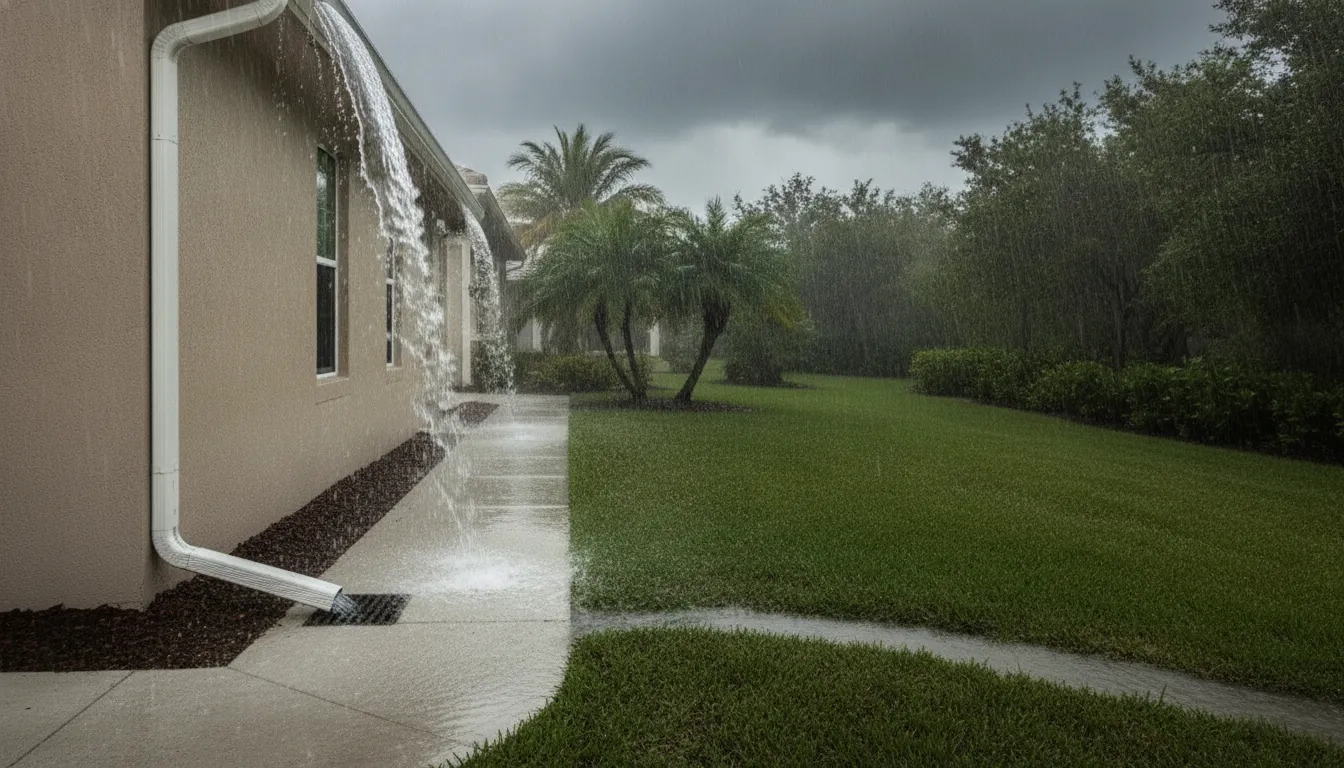
We recommend reviewing the system before storm season, especially if the pump runs often, has not been tested recently, or is several years old. A professional check can confirm that the pump activates, the discharge line is clear, and the backup plan matches the home’s needs. With proactive maintenance and the right equipment, homeowners can prepare for Southwest Florida rain without relying on last-minute repairs.
Sump Pump Installation Cost in Lee County
For a Lee County homeowner, a sump pump installation is an investment in managing groundwater and stormwater before it reaches the lowest parts of the home. A reasonable local planning estimate is $1,000 to $2,500, but that range is not a hard quote. The final cost depends on the condition of the installation area, the pump system selected, and the work needed to discharge water safely.
Southwest Florida properties can have a high water table and sudden heavy rainfall, so the right setup is more than simply placing a pump in a pit. We look at how water enters the basin, whether the pit is properly prepared. Where the discharge line can run, and whether the system should continue operating during a power outage. Those details affect both the equipment and the labor involved.
| Installation consideration | What it may involve | How it affects the estimate |
|---|---|---|
| Basic pump replacement or installation | A suitable primary pump, basin connection, discharge routing, and standard labor where the area is ready. | Usually the simpler end of the overall range when little preparation is required. |
| Pit or basin preparation | Creating, enlarging, cleaning, or correcting the basin so it can collect water and allow the pump to operate properly. | Additional preparation can increase the project cost beyond a straightforward replacement. |
| Discharge and drainage work | Routing pumped water away from the foundation and addressing a discharge line that is blocked, damaged, or poorly placed. | Longer or more involved routing generally requires more materials and labor. |
| Battery-backup-equipped system | A backup pump or battery system designed to help maintain drainage when the primary pump loses power. | Equipment and installation complexity can place the project toward the higher end of the estimate. |
Why an upfront quote matters
Online price ranges can help with early planning, but they cannot account for the conditions inside a specific Lee County home. A pump that appears to be a simple replacement may need a corrected discharge route, a safer basin connection, or a backup solution suited to the property. We do not want homeowners making a decision from an artificially low number and discovering additional work later.
Whiskey Creek Plumbing uses a fixed-price model. We inspect the work, explain the recommended options, and provide a transparent upfront quote before installation begins. That means you know the agreed price instead of watching an hourly total grow as the job progresses. The estimate can also distinguish between essential work now and optional storm-readiness improvements, such as battery backup.
For an accurate recommendation in North Fort Myers or elsewhere in Lee County, call us to schedule a review and fixed-price quote. We can assess the pump, basin, discharge path, and backup needs based on your home rather than a generic online calculator.
Call (239) 785-9022 for a fixed-price sump pump installation quote.
Signs Your Sump Pump Needs Repair or Replacement
A sump pump usually works quietly in the background, which makes a change in its sound or behavior worth noticing. In North Fort Myers and throughout Lee County, heavy rain can quickly test a pump that has been neglected or is nearing the end of its service life. We recommend checking the system before storm season, not waiting until water is already collecting around the pit.
Most residential sump pumps last about 7 to 10 years, although usage, maintenance, pump quality, and exposure to sediment can shorten or extend that range. If your pump is older than that, repeated warning signs may point to replacement rather than another repair. Watch for these conditions:
- Grinding, rattling, or other unusual noises. A healthy pump may make a steady hum when it runs. But grinding or rattling can indicate a worn motor, damaged impeller, loose components, or debris inside the system. Do not ignore a new sound simply because the pump still turns on. A failing component can stop the pump during the next heavy downpour.
- Frequent or constant cycling. A pump that starts and stops repeatedly may have a float switch problem, an undersized pump. A restricted discharge line, or incoming water that the system cannot keep up with. Constant operation also creates extra wear on the motor. We can check whether the issue is mechanical, drainage-related, or a sign that the pump is no longer properly matched to the home.
- Standing water in the pit. Water remaining in the basin after the pump should have completed its cycle may mean the pump is not removing water effectively. The float may be stuck, the intake may be blocked, or the motor may be losing power. Never reach into an energized pit. Turn off the appropriate power source and arrange a professional inspection.
- No discharge during heavy rain. If the pump runs but little or no water exits the discharge line, the line could be clogged, frozen, disconnected, or improperly routed. If the pump does not start at all, the problem may involve the outlet, switch, motor, or electrical supply. This is especially important before a tropical storm, when rapid rainfall can overwhelm a home with no working discharge path.
- A musty or watery odor near the pit. A persistent damp smell can signal standing water, poor drainage, or a pump that is not completing its cycles. Odor alone does not identify the exact fault, but it is a useful prompt to inspect the basin, check for debris, and look for moisture around the foundation.
- Vibration or failure to start. Excessive vibration may mean the pump is unbalanced, improperly positioned, or striking the basin or discharge pipe. A pump that hums without moving water, starts only after repeated attempts, or fails to start altogether needs prompt attention.
When you notice one or more of these signs, timely service can help clarify whether a repair is practical or whether a new pump offers better reliability. We provide sump pump repair services with a transparent, fixed-price quote before work begins.
Battery Backup Sump Pumps: Are They Worth It in Florida?
A standard sump pump is only useful when it can receive electricity. During a South Florida storm, that limitation can appear at the worst possible time. Heavy rain may be filling the basin, groundwater may be rising, and the power may go out because of wind, flooding, or damage to nearby lines.
A battery backup system gives the pump another source of power during an outage. Depending on the setup, it can operate a secondary pump or keep the primary pumping system running long enough to manage incoming water. A combination, or combo, system pairs a primary pump with a backup pump and battery in one coordinated installation.
What does a backup sump pump protect against?
The main benefit is continuity. A sump pump collects water in a basin and sends it away from the foundation. If the primary pump stops because the household loses power, water can continue entering the pit with nowhere to go. A backup can reduce that gap and help protect finished floors, stored belongings, electrical equipment, and the foundation area from water damage.
This matters in Lee County because storm conditions can change quickly. Hurricane season runs from June 1 through November 30, and tropical systems can bring intense rainfall in a short period. A backup does not prevent every flood, and it cannot overcome an incorrectly sized system, a blocked discharge line, or water entering from a separate source. It is one layer of a broader drainage and waterproofing plan.
When is the investment worthwhile?
For many homeowners, the value is less about everyday operation and more about having protection available when the home is unattended or conditions are difficult. A battery backup may be worth considering if your home has a finished lower level. A history of standing water, a sump pit that runs frequently, or belongings and equipment located near the pump area. It can also provide peace of mind when a storm is approaching and utility service may be unreliable.
The right choice depends on the pump’s condition, the expected water volume, the battery capacity, and how the discharge line is configured. Batteries also need testing and eventual replacement, so installation is not a set-it-and-forget-it solution. We recommend checking the entire system before storm season, rather than adding a backup after the primary pump has already failed.
At Whiskey Creek Plumbing, we can inspect the existing pump, basin, discharge path, and electrical setup before recommending an option. We explain what the system can realistically handle and provide a transparent, fixed-price quote before work begins. That approach helps a North Fort Myers homeowner decide whether the added protection fits the home’s actual risk, instead of buying equipment based on storm-season pressure.
Sump Pump Maintenance and Testing Before Storm Season
Storm preparation is easier when your sump pump is tested before the first major downpour, not while water is already rising. In Lee County, tropical weather can bring intense rain quickly, and a pump that has been ignored for years may not start when you need it. We recommend a simple inspection before hurricane season, followed by professional service if anything looks worn or unreliable.
Test the pump with a bucket of water
Start by making sure the pump has power and the pit is accessible. Slowly pour several gallons of water into the sump basin. The float switch should rise, the pump should start without unusual grinding or rattling, and the water level should fall steadily. Watch the discharge point outside to confirm that water is actually leaving the property. If the motor runs but the water does not move, shut it off and arrange for an inspection rather than repeatedly cycling it.
Clear the pit and inspect the moving parts
Turn off power before reaching into the basin. Remove leaves, sediment, gravel, or other debris that could interfere with the pump or float switch. The float should move freely without catching on the basin wall, piping, or electrical cord. Check the pump, cord, and nearby connections for visible damage. A pump that runs constantly, starts too often, or produces a new loud noise deserves attention even if it still removes water.
Check the discharge line and check valve
Inspect the discharge pipe for cracks, loose fittings, clogs, or sections that have shifted. The outlet should direct water away from the foundation and not back toward the pit. The check valve helps prevent discharged water from flowing back into the basin after the pump stops. If that valve is stuck or missing, the pump may cycle unnecessarily and wear out faster.
Confirm that the discharge line drains outdoors as designed. It should not be connected to a sewer line, where improper connections can create plumbing and drainage problems. We can review the layout during a tune-up and explain any corrections needed before storm conditions arrive. Our plumbing pump guide also provides useful background on pump systems and maintenance.
Consider the pump’s age
Most residential sump pumps last about 7 to 10 years, although usage, installation quality, and maintenance affect that range. If yours is approaching that age, a pre-season evaluation can help you decide whether replacement is more practical than waiting for a failure. A professional tune-up can test the switch, inspect the discharge system, verify safe operation, and discuss whether a battery backup would add useful peace of mind.
Taking these steps early gives you time to make a measured decision, receive a transparent fixed-price quote, and protect your home before the next storm arrives.
Call (239) 785-9022 now for a pre-season sump pump check and fixed-price quote.
Frequently Asked Questions
Do I need a sump pump in North Fort Myers?
Many North Fort Myers homes can benefit from a sump pump because heavy tropical rain. A high water table, and storm-related runoff can push groundwater toward a foundation or crawl space. A sump pump collects that water in a basin and discharges it away from the home. But the right setup depends on drainage, elevation, foundation design, and the location of existing plumbing.
What’s the average lifespan for a sump pump?
Most residential sump pumps last about 7 to 10 years, although frequent cycling, sediment, poor discharge routing, and inconsistent testing can shorten that range. A pump that is approaching the end of its service life deserves extra attention before hurricane season. Especially if it makes unusual noises, runs constantly, or fails to remove water during a test.
How often should I test my sump pump before hurricane season?
Test the pump before the June 1 start of hurricane season and again whenever a major storm is forecast, then check it periodically during the wet season. Pour clean water into the basin until the float activates and confirm that the pump starts. Watch for steady discharge outside, and listen for grinding, rattling, or repeated short cycles.
Are battery backup sump pumps necessary in Florida?
A battery backup can be valuable in Florida because the same storms that bring intense rainfall can also interrupt household power. The backup is designed to keep moving water when the primary electric pump cannot run, giving your home another layer of protection during an outage. Choose a system sized for the basin and expected pumping demand, and test the battery according to the manufacturer’s instructions.
What is the average cost to have a sump pump replaced?
In Lee County, sump pump installation commonly falls in an estimated range of $1,000 to $2,500 depending on pit preparation. Pump type, discharge modifications, backup equipment, and site conditions. Replacement repairs can cost less, but there is no reliable one-size-fits-all price without inspecting the existing setup. We provide a transparent fixed-price quote before work begins, so you can compare the recommended scope without worrying about hourly overruns.
Schedule Your Sump Pump Service Before Storm Season
A dependable sump pump can give your North Fort Myers home added protection when heavy rain arrives. And a professional inspection can help identify problems before they interrupt that protection. We make the next step straightforward with transparent, fixed-price service and no-pressure recommendations. You will know what we find and what the work will cost before deciding how to proceed.
If your sump pump is failing during severe weather, our team also provides 24/7 emergency response. Whether you need an inspection, installation, or repair, we can help you choose a practical solution for your home and storm-preparation plans.
Call (239) 785-9022 to schedule a fixed-price sump pump inspection, installation, or repair.