
If you are weighing a pool conversion in Fort Myers, the first question is usually practical: will the upgrade make pool care easier without creating new equipment or maintenance headaches? A saltwater system does not eliminate chlorine, but it produces sanitizer gradually from salt. This can make water care more consistent and reduce the need for frequent manual dosing.
A saltwater pool conversion fort myers project typically replaces or supplements the existing chlorine setup with a salt chlorine generator, control board, and pool-grade salt. Professional conversions in Southwest Florida commonly cost about $1,200 to $2,500, depending on pool size, equipment condition, and generator selection.
This article explains how saltwater pool systems work and what homeowners may consider before choosing a conversion. Whiskey Creek Plumbing does not provide pool conversions, maintenance, or pool repair. Its pool-related work is limited to pool pump and pool equipment installation and replacement; see the eligible installation and replacement services.
What Is a Saltwater Pool and How Does It Work?
A saltwater pool is still a chlorine-sanitized pool. The difference is where the chlorine comes from. Instead of adding chlorine manually on a regular schedule, a salt chlorine generator makes the sanitizing agent on site from dissolved salt. That can create a steadier approach to sanitation for homeowners in Fort Myers and throughout Southwest Florida, provided the generator, water chemistry, and existing equipment are properly matched.
The salt chlorine generator without jargon
The system uses ordinary sodium chloride, or NaCl, dissolved in the pool water. Water moves through an electrolytic salt cell installed in the circulation line. A small electrical current passes through the salt solution, producing hypochlorous acid, the active sanitizer that helps control microorganisms. The salt itself is not the primary sanitizer. The generator continuously converts a portion of it into chlorine, while the water circulates back through the pool.
Because the process happens gradually, a salt system can provide a continuous, low-level supply of chlorine rather than relying only on occasional manual dosing. It does not make the pool chemical-free, however. Owners still need to test water, balance pH, clean the cell when needed, and adjust the generator output for pool use, weather, and water conditions. In Fort Myers, heat, sunlight, and frequent swimming can all affect chlorine demand.
What happens during a conversion?
A professional conversion normally starts with installing a salt chlorine generator and its control board inline with the existing equipment pad. The technician then adds pool-grade salt until the water reaches the system’s target salinity, typically 2,700 to 3,500 parts per million. The exact amount depends on the pool’s water volume and the generator manufacturer’s requirements. The equipment pad should also be inspected first, since leaks, worn plumbing, or an undersized pump can affect performance after the upgrade.
In practical terms, the electrolytic process converts salt into hypochlorous acid, and the generator helps maintain the sanitizer level automatically. It is a chlorine system with on-site chlorine generation, not an entirely different form of pool sanitation.
Saltwater vs. Chlorine Pool: Which Is Better for Florida?
For many Florida homeowners, the choice comes down to daily comfort, recurring chemical costs, and how much attention the pool needs between swims. A saltwater system still produces chlorine, but it does so gradually through a salt chlorine generator rather than requiring the owner to add traditional chlorine products as often. That difference can make routine care feel more consistent, although the generator and salt cell still need proper inspection.
| Consideration | Saltwater pool | Traditional chlorine pool |
|---|---|---|
| Water feel | Often described as softer and more comfortable for regular swimming. | Can feel harsher when chemical levels fluctuate or the water needs shock treatment. |
| Skin and eyes | Many swimmers find the water gentler on skin and eyes. Consistent chlorine production may also reduce sharp swings in sanitizer levels. | Chloramines can form when chlorine reacts with sweat, urine, and other human waste products. These compounds are associated with swimmer irritation and poor air or water quality. Western Washington University explains how chloramines form. |
| Maintenance and chemical cost | Owners often spend under $100 per year on chemicals, primarily salt. One 40-pound bag costs about $12, according to available cost comparisons. | Annual spending can reach $400 to $600 or more for chlorine, shock, and algaecides. Actual costs vary with pool size, weather, usage, and water balance. |
| Equipment wear | Salt chlorination can reduce the rate of corrosion of pool equipment compared with traditional chlorine chemicals, when the system is correctly installed and balanced. Review the academic overview of salt chlorination. | Manual chemical handling and concentration swings may contribute to corrosion or swimsuit bleaching over time. |
Comfort versus control
Saltwater does not mean chlorine-free. Its advantage is a steady, lower-level production pattern that can make the water feel more comfortable and reduce the need to store multiple chlorine products. It is not a substitute for testing, brushing, filtration, or correcting an unbalanced pool.
Lower chemical cost does not mean no maintenance
A salt system shifts part of the maintenance from buying and dosing chemicals to checking the generator, inspecting connections, and monitoring the salt cell. Florida heat, heavy rain, and frequent pool use can all affect water balance. If the equipment pad is aging or corroded, assess those conditions before choosing a conversion. The better option is the one that fits your pool’s existing equipment, your maintenance habits, and your long-term budget.
How Much Does a Saltwater Pool Conversion in Fort Myers Cost?
For most homeowners, a professional saltwater pool conversion in Fort Myers costs about $1,200 to $2,500. That Southwest Florida range is a planning estimate, not a fixed quote. The final price depends on your pool’s size, the brand and quality of the salt chlorine generator, and whether the existing equipment needs upgrades. A proper evaluation of the equipment pad helps identify those variables before installation begins.
What the conversion price usually includes
A typical conversion price covers the salt chlorine generator, control board, installation, and the initial pool-grade salt needed to bring the water to the system’s operating range. The generator is installed inline with the existing circulation equipment, so the condition and layout of the pad matter. The work should also include setup and testing to confirm the system is producing chlorine correctly and the water chemistry is ready for normal use.
- Selection of a generator sized for the pool
- Installation of the generator and control equipment
- Initial salt addition and system startup
- Testing of circulation, controls, and water chemistry
What can increase the total cost?
A larger pool generally needs a higher-capacity generator. Choosing a premium unit may increase the upfront price but can provide a better fit for your usage and maintenance expectations. Additional work may be needed if the equipment pad has aging plumbing, inadequate electrical service, worn valves, or other components that should be corrected before adding a generator. Those repairs are not automatically part of a basic conversion, which is why an itemized, fixed-price proposal is valuable.
Plan for the system’s longer-term maintenance, too. Salt cells typically need replacement every three to five years, and replacement cells commonly cost $200 to $700 depending on the brand. Saltwater can reduce the need to purchase chlorine products, but it does not make the pool maintenance-free. Ask what equipment is included, what warranty applies, and which future service costs are excluded before approving the work.
Before choosing a saltwater system, homeowners can compare the existing equipment, installation requirements, long-term maintenance, and total cost. A qualified pool professional can explain whether a particular system fits the pool and budget. Whiskey Creek Plumbing does not provide saltwater conversions or conversion assessments.
How Long Does Saltwater Pool Conversion Take?
Most straightforward saltwater conversions can be completed in stages over a day or two, but the pool is not fully balanced the moment the equipment is installed. The exact timeline depends on the condition of the existing equipment pad, the pool’s water chemistry, and how quickly the added salt dissolves and circulates.
-
Prepare and test the pool water
Before installing a salt chlorine generator, a qualified pool professional may check the water and confirm that the pump, filter, plumbing, and equipment pad are suitable. If the water needs attention, preparation may be appropriate before installation. This article describes general conversion considerations and is not a Whiskey Creek Plumbing service offer.
-
Install the generator and control board
For a straightforward plumbing setup, installing a salt chlorine generator and control board inline with the existing equipment pad may take less than a day. The equipment is installed in the circulation line, and requirements vary by pool. Installation should follow the generator manufacturer’s specifications and be performed by a qualified provider; Whiskey Creek Plumbing does not offer saltwater conversions.
-
Add pool-grade salt and allow it to dissolve
After the equipment is installed, pool-grade salt is added until salinity reaches the target range, usually 2,700 to 3,500 parts per million. Salt does not disappear immediately. It commonly needs about 24 to 48 hours to dissolve fully while the circulation system runs, depending on the pool, water movement, and conditions.
-
Run, retest, and adjust the system
After salt circulates, the system may need additional run time to reach its intended stabilizer and salt targets. The installer should retest the water and confirm that the generator is producing chlorine appropriately before considering the conversion complete. Weather, water temperature, and existing equipment can affect this adjustment period.
In practical terms, plan for installation in one day when the plumbing is ready, followed by roughly one to two days of circulation and balancing. A careful timeline is better than rushing the startup, because proper testing protects the equipment and gives the pool a stable beginning.
What Plumbing Changes Are Required During Conversion?
A saltwater conversion usually works with a pool’s existing circulation system, but the generator must be installed in the right place and the equipment pad must support it. The process typically adds a salt chlorine generator and control board inline, then brings the water to the manufacturer’s target salinity. For broader household plumbing information, see our sewer, leak detection, and repiping guide. Whiskey Creek Plumbing does not provide pool conversions.
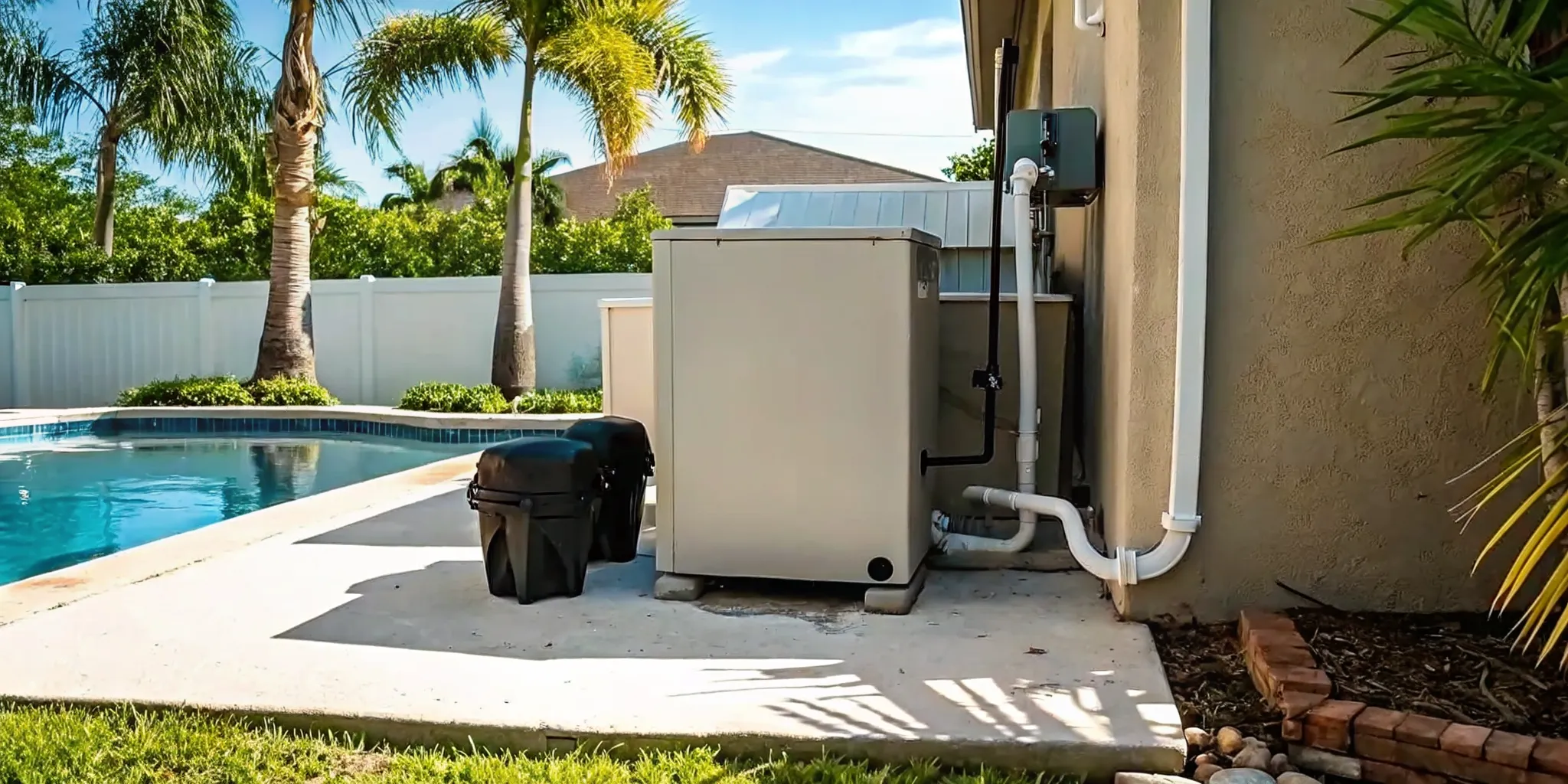
Where the salt cell belongs in the plumbing
The generator’s electrolytic cell should be plumbed into the return line after the filter and heater. That placement allows filtered and heated water to pass through the cell before it returns to the pool. Inside the cell, an electrical current helps convert dissolved sodium chloride into hypochlorous acid, the sanitizing agent that keeps the water disinfected. The chemistry is described in detail by West Virginia University research on salt chlorination and electrolytic cells.
Correct placement also makes service easier and helps protect upstream components from unnecessary exposure to concentrated saltwater. A professional installer should confirm that the pipe diameter, unions, valves, flow direction, and electrical connections match the generator manufacturer’s requirements. The control board must be mounted where it is protected from standing water and can be accessed for inspection or future replacement.
Before adding new equipment, inspect the equipment pad itself. It should be structurally sound, dry, accessible, and free of failing valves, cracked fittings, or improvised pipe repairs. A weak pad can turn a straightforward conversion into a larger repair project. It is also smart to check the pool plumbing for leaks before the switch. Finding a leak early prevents you from confusing an existing water-loss problem with a new salt-system issue.
For homeowners who notice unexplained water loss, damp equipment-pad areas, or recurring pressure problems, professional pool maintenance and repair services can identify the source before installation. If a repair is needed, schedule a pool leak repair service before converting the system. Starting with sound plumbing gives the generator a cleaner installation and makes future maintenance more predictable.
This guide is informational and does not offer saltwater pool conversion. Whiskey Creek Plumbing does not provide conversions, pool maintenance, or pool repair. Its pool-related work is limited to pool pump and pool equipment installation and replacement.
Frequently Asked Questions
How much does it cost to convert a pool to saltwater in Fort Myers?
Published conversion-cost ranges vary with pool size, generator quality, and whether existing equipment needs an upgrade. Treat national or regional ranges as planning information, not a quote for a specific pool. Ask a qualified pool-conversion provider for an itemized assessment.
Does saltwater pool conversion require new equipment?
Most conversions require a salt chlorine generator and control board installed inline with existing equipment. The installer should check whether the pump, filter, plumbing connections, and electrical setup can support the system before adding pool-grade salt. Existing equipment does not always need replacement, but worn or undersized components may affect the installation.
How does a saltwater chlorine generator work?
The generator uses an electrolytic cell to convert dissolved sodium chloride, or NaCl, into hypochlorous acid, the sanitizing agent that helps keep pool water clean. The system produces chlorine continuously at a low level instead of relying only on repeated manual dosing. West Virginia University explains the salt chlorination process.
What maintenance does a saltwater pool still need?
A saltwater pool still needs regular water testing, balanced chemistry, circulation, filter care, and inspection of the generator cell. The cell typically lasts about three to five years, and replacement cells commonly cost $200 to $700 depending on the brand. Salt systems reduce routine chemical handling, but they do not replace scheduled pool maintenance.
Ready to Convert Your Fort Myers Pool?
Whiskey Creek Plumbing does not plan or install saltwater pool conversions. If you are considering pool pump or pool equipment installation or replacement, contact the company to confirm whether that project fits its limited pool service scope. For a conversion, consult a qualified pool-conversion provider.