
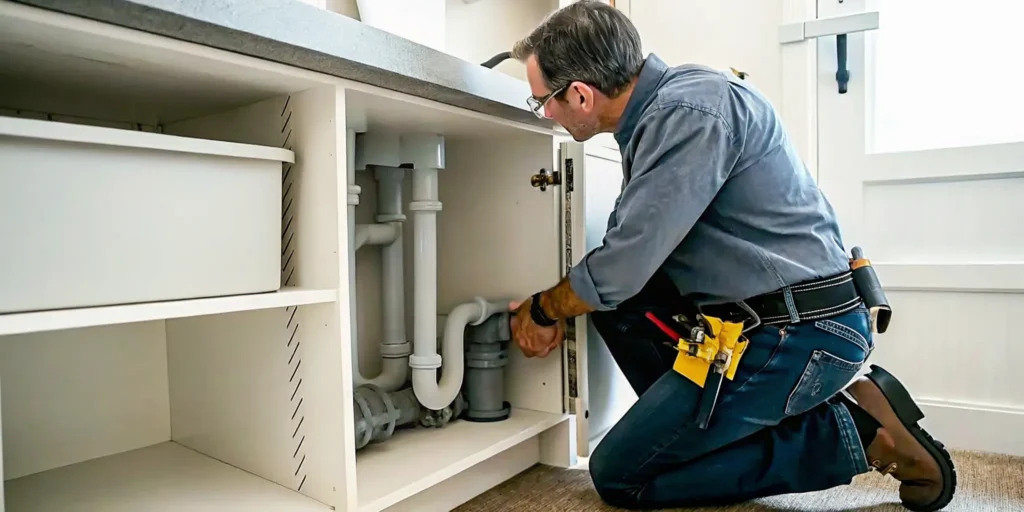
A polybutylene pipe is a flexible plastic water-supply line commonly installed from the late 1970s through the mid-1990s. Usually gray and sometimes marked “PB 2110,” it can deteriorate internally as it ages. Southwest Florida homeowners who find it should have a plumber confirm the material and discuss repair versus full repiping.
Call Whiskey Creek Plumbing at (239) 785-9022 to schedule a polybutylene pipe inspection.
Finding gray plastic pipes under a sink or near a water heater can raise urgent questions. The visible pipe may look normal, yet wear can develop inside the line where a homeowner cannot see it. Learning how to identify the material, what local conditions matter, and what to ask during an inspection can help you make a practical plan before a leak forces the decision.
What is polybutylene pipe?
Polybutylene is a plastic resin that was widely used for residential water-supply piping. Builders favored it because the flexible pipe was easier and less expensive to install than some rigid materials. It appeared in many homes built between approximately 1978 and 1995, and production in the United States ended in the mid-1990s.
The material is often called PB pipe. It is not the same as modern PEX, PVC, or CPVC. If you want to compare common materials, Whiskey Creek Plumbing’s water pipe guide explains the basic differences among residential piping options.
Why this pipe material can fail
The central concern is that polybutylene can become brittle over time. Disinfectants used in treated water, including chlorine, may contribute to oxidation and deterioration. Because the damage can begin on the inside of the pipe, an exposed section may look sound even when its strength has declined.
Connections and fittings also deserve attention. Older installations may use plastic or metal fittings and crimp rings. A leak can develop at a connection, but an intact fitting does not prove the rest of the pipe is in good condition. Research on the aging of polymer-based pipes helps explain why time, water chemistry, temperature, and stress all matter.
Why homeowners should not rely on appearance alone
Polybutylene systems do not follow one predictable failure schedule. One home may experience repeated leaks while another has no visible issue for years. That uncertainty is why a professional evaluation is more useful than simply checking for drips. A plumber can identify accessible pipe, look for evidence of past repairs, inspect connections, and discuss whether hidden sections likely use the same material.
How can you identify polybutylene pipe?
Start with accessible water-supply lines. Polybutylene used indoors is usually a dull light gray, although some installations may include blue or black pipe. It is flexible rather than rigid and commonly measures about one-half inch to one inch in diameter. The most useful printed clue is the code “PB 2110” on the side.
- Look near the water heater and the home’s main water shut-off.
- Check supply lines under kitchen and bathroom sinks.
- Inspect accessible lines behind toilets and in utility areas.
- Use a flashlight to look for a “PB 2110” marking.
- Note any crimp rings, fittings, discoloration, moisture, or signs of prior repair.
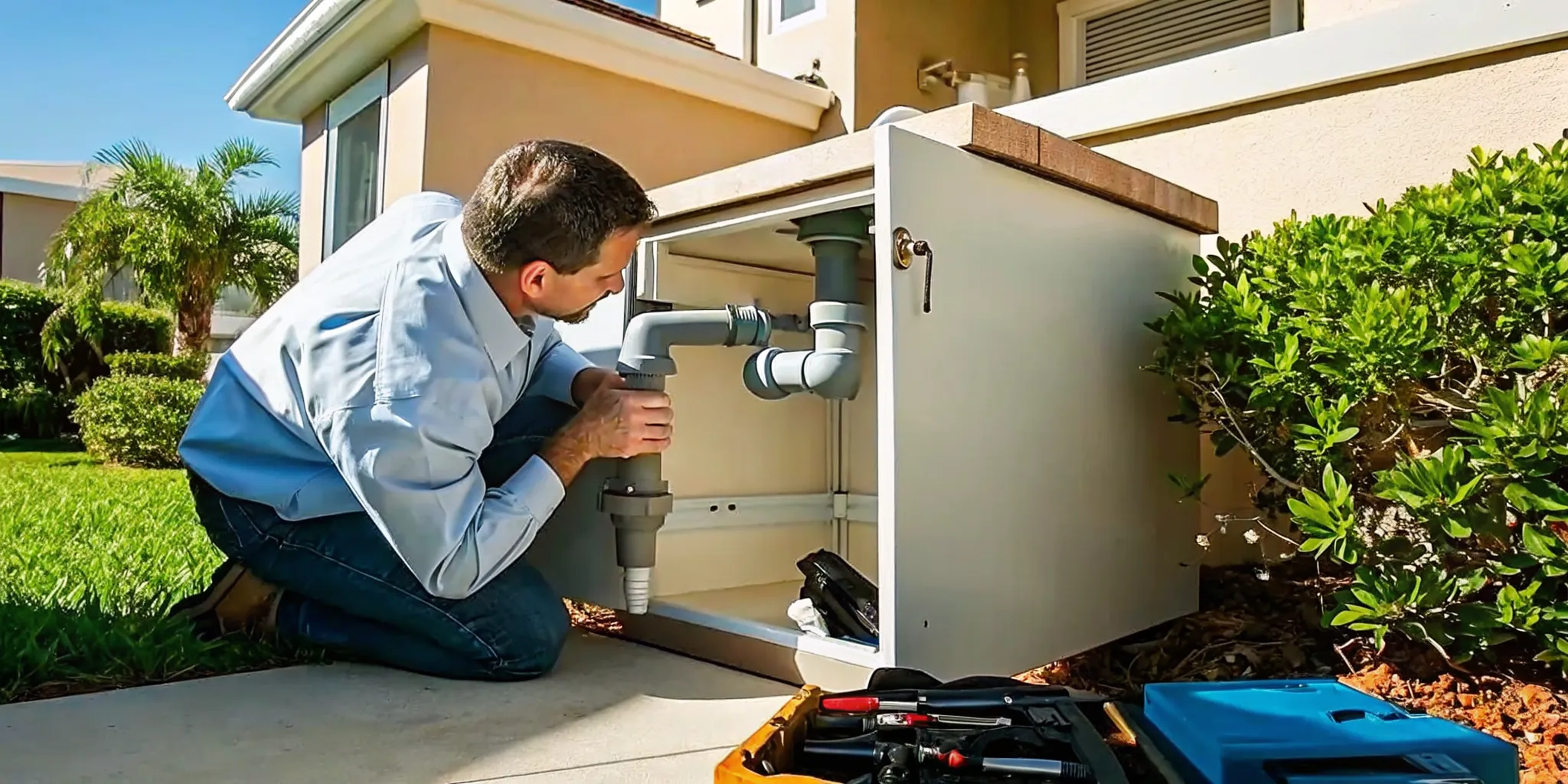
Do not cut, bend, or aggressively clean an older pipe just to identify it. A brittle line can be damaged by unnecessary handling. If the pipe is hidden, unmarked, or difficult to distinguish from another plastic, ask a licensed plumber to confirm it.
Common places where the material may be hidden
Seeing copper or another material under one sink does not rule out polybutylene elsewhere. Previous owners may have repaired or replaced only visible sections. Original supply piping may remain behind walls, above ceilings, in an attic, or beneath a floor. A plumber can use the home’s age, accessible runs, connection styles, and repair history to determine whether a larger system is likely present.
Signs that call for prompt attention
Contact a plumber promptly if you notice damp drywall, staining, an unexplained increase in water use, reduced pressure, moisture near a fitting, or evidence of repeated pipe repairs. These clues do not prove that polybutylene is the cause, but they justify an inspection and leak check.
What should Southwest Florida homeowners consider?
Fort Myers, Lee County, and nearby Southwest Florida communities include many homes built during the years when polybutylene was common. Local heat, treated water, long service life, and renovations that mix old and new pipe materials can all affect the condition and complexity of a plumbing system.
Home age and renovation history
If a home was built from the late 1970s through the mid-1990s, ask whether the original water-supply piping remains. Permits, invoices, seller disclosures, and prior inspection reports may provide useful clues, but the accessible plumbing should still be checked. A partial remodel may have replaced fixtures and short pipe sections without replacing the original system throughout the house.
Heat, water treatment, and system stress
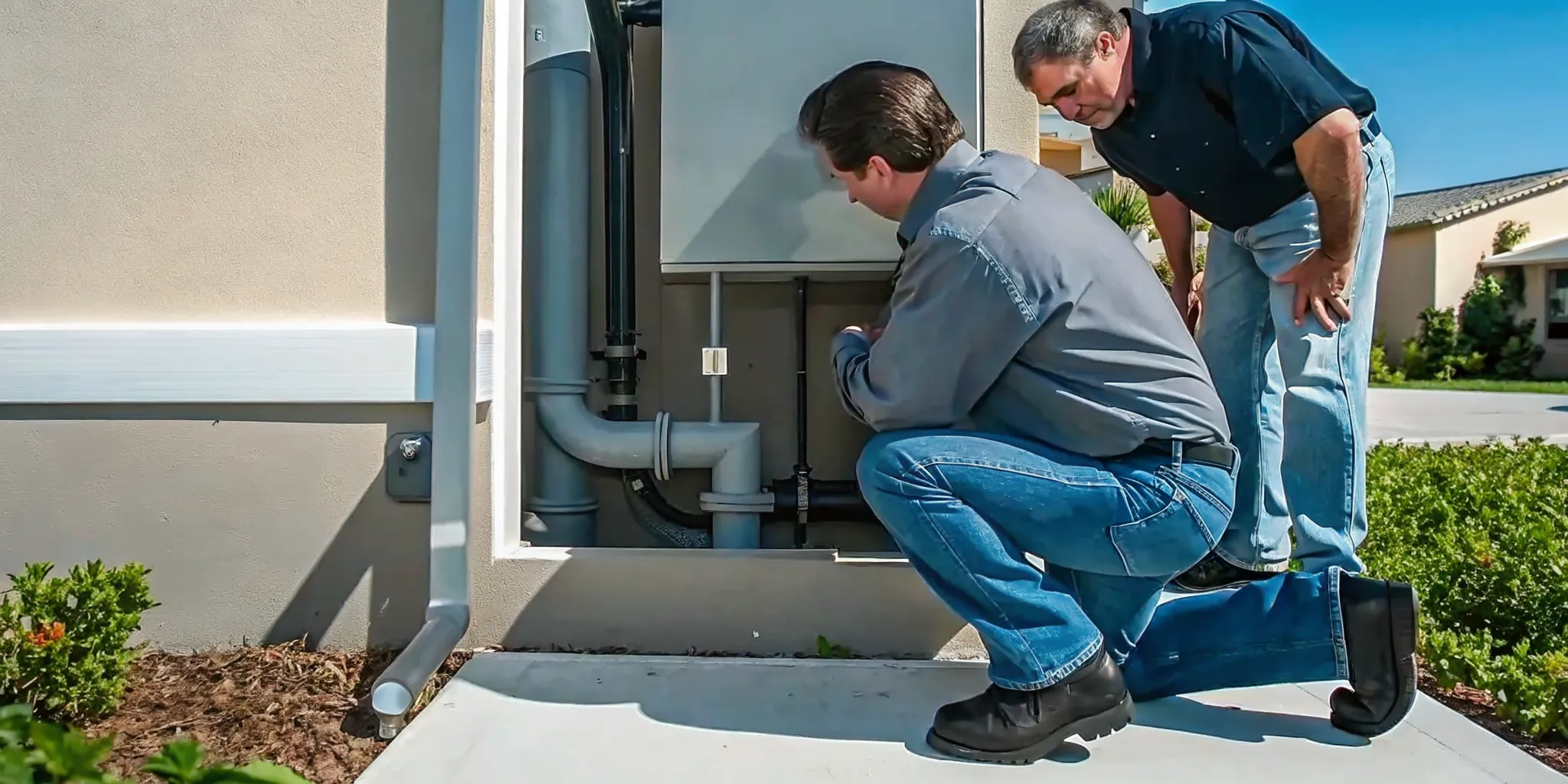
Hot attics and wall cavities can expose plumbing to elevated temperatures. Treated water continually contacts the inside of supply lines. Pressure changes and movement can add stress at pipes and fittings. None of these factors predicts an exact failure date, but together they support evaluating an older system rather than assuming it will remain reliable because it has not leaked yet.
Preparing before storm season or travel
A plumbing check can be especially useful before an extended trip or storm season. Homeowners should know where the main shut-off is and make sure it operates properly. If a pipe leaks, shutting off the water quickly can limit ongoing flow while you arrange service. For suspected hidden leaks, explore Whiskey Creek Plumbing’s professional plumbing services and ask which diagnostic approach fits your home.
Explore repiping services for aging polybutylene plumbing in Southwest Florida.
From inspection to repiping options
An inspection should begin with identification and scope. The plumber will review accessible supply lines, fittings, shut-off locations, visible repair history, and signs of leakage. Ask whether the observed polybutylene appears limited to one area or likely continues throughout the home. The answer affects both risk and project planning.
Localized repair versus full repipe
A localized repair addresses a current leak or damaged section. It may be appropriate as an immediate response, but it leaves the remaining older material in place. A full repipe replaces the home’s polybutylene supply system with a selected modern material. That is a larger project, but it addresses the system rather than one failure point.
| Criteria | Localized Repair | Full Home Repipe |
|---|---|---|
| Work scope | Repairs a specific leaking or damaged section. | Replaces the identified polybutylene supply system. |
| Remaining PB pipe | Other original sections generally remain. | Original PB supply lines are removed from the planned scope. |
| Initial project size | Usually smaller and more limited. | Larger project requiring access and planning. |
| Future planning | May require additional repairs or later replacement. | Provides a system-wide replacement plan. |
| Best question to ask | What condition is the rest of the system in? | What material, access, restoration, and schedule are included? |
Questions to ask before choosing a path
A clear estimate should explain what was found and what work is included. Ask the plumber to distinguish confirmed facts from assumptions about hidden lines. Also ask how water will be shut off, which areas require access, what replacement material is proposed, whether wall or ceiling restoration is included, and how long the home may be without water.
- Where did you confirm polybutylene, and how much of the system is accessible?
- Do you see active leaks, old repairs, damaged fittings, or other warning signs?
- Would a localized repair leave substantial polybutylene in service?
- Which replacement material do you recommend for this home, and why?
- What access, cleanup, restoration, permits, and inspections are included?
- What is the project schedule, and when will water service be unavailable?
- Is the estimate fixed-price, and what conditions could change the scope?
Whiskey Creek Plumbing offers fixed-price service and helps local homeowners understand the available options before work begins. Learn more about the family-run team on the about us page, or review its repiping services.
How to prepare for a plumbing visit
Before the appointment, make accessible areas easier to inspect. Clear stored items from beneath sinks and around the water heater, but do not move or disturb the pipe itself. Gather any available home inspection reports, plumbing invoices, remodel records, and photos of prior leaks. Write down where and when you noticed moisture, pressure changes, stains, or unusual water use.
Make a list of priorities as well. Some homeowners need to address an active leak immediately. Others are planning a renovation, sale, or preventive replacement. Sharing the timing and goal helps the plumber explain the most relevant options without overstating what can be known from visible pipe alone.
Make a practical plan for an aging pipe system
Polybutylene pipe deserves attention because age-related deterioration can be hidden and failures are difficult to predict. Identification is the first step. A thorough inspection can then clarify the likely scope, signs of current trouble, and tradeoffs between repairing one section and replacing the system.
Do not wait for a visible leak to learn where the main shut-off is or what type of supply piping serves your home. A proactive review gives you time to compare materials, understand access needs, and budget for the work on your own schedule.
Call (239) 785-9022 to discuss a polybutylene pipe inspection or repiping plan.
Frequently Asked Questions
Why are polybutylene pipes a problem?
Polybutylene pipes can become brittle as they age and react with disinfectants in treated water. Damage may develop inside the pipe where it is difficult to see, so a system can leak or fail even when exposed sections appear normal.
How can I spot polybutylene piping in my home?
Look for flexible, usually dull gray plastic water-supply lines near a water heater, under sinks, behind toilets, or at the main shut-off. A printed “PB 2110” marking is a strong identification clue. A plumber can confirm the material when markings or hidden sections make identification uncertain.
Why do insurance companies avoid homes with polybutylene pipes?
Some insurers view polybutylene plumbing as a higher water-damage risk because failures can be difficult to predict. Requirements vary by insurer and policy, so ask your own insurance representative how the piping may affect coverage, renewal, or documentation needs.
Can polybutylene pipes be fixed?
A plumber may be able to repair an isolated leak, but that repair does not change the age or condition of the remaining polybutylene system. Compare the short-term cost of a localized repair with the ongoing risk and cost of future leaks elsewhere.
What is the best fix for polybutylene pipes?
For a home with an aging polybutylene system, a full repipe is the most comprehensive way to remove the material and reduce the risk of another polybutylene-related leak. A plumbing inspection can confirm the scope and help you compare replacement materials and plans.