
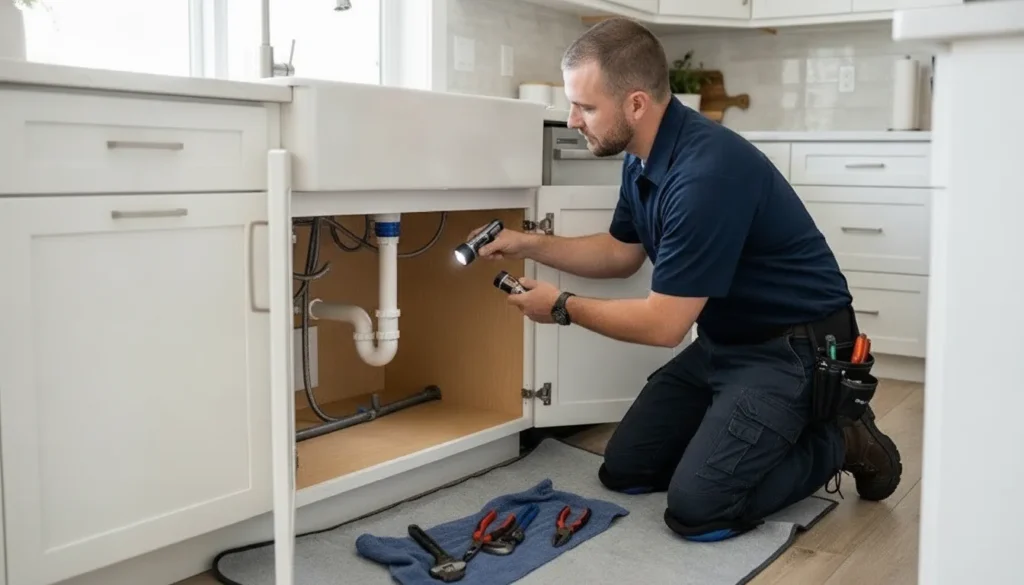
A plumbing drain clog that comes back a week later is rarely the same wad of hair you just pulled out. The water starts moving, the sink looks fixed, and then the same fixture slows down again. That pattern means something is still stuck to the pipe wall, or the pipe itself is holding waste in one low spot.
A returning plumbing drain clog is usually leftover grease, soap, or roots after a partial clear, or a sag, offset, or rough pipe that a cable cannot fix. One slow sink is often a branch-line problem. Several fixtures backing up together points past that branch. Stop pouring grease and wipes, skip chemical openers on a repeat clog, and have the line opened and looked at before the backup reaches the floor.
Call (239) 785-9022 for a fixed-price look at a drain that keeps clogging.
Whiskey Creek Plumbing clears clogged drains for homes and businesses across Lee County, with fixed pricing quoted before the work starts. The work sits with our other plumbing services in Lee County. This guide covers why the same clog returns. It does not compare cleaning machines or walk through an active sewer backup. Those are separate jobs, and we link to them where they help.
What a Returning Plumbing Drain Clog Usually Means
A one-time clog and a clog that returns are different problems. Hair in a shower stopper, or a wad of food just past the kitchen strainer, can be a single event. You clear it, the pipe wall is still smooth, and the drain stays open.
A returning plumbing drain clog means the pipe is catching waste again. Grease cools and coats the wall. Soap and minerals stick to that coat. Roots or a sag hold paper and grease in one place. A cable can punch a hole through the soft middle and leave the coating behind, so the opening closes as soon as the next load of waste arrives.
Count the fixtures before you guess at the cause. One slow sink, tub, or toilet usually means the clog is in that branch, the trap, or the short line leaving that room. Two or more fixtures on the same level, or a tub that fills when the washer drains, means the clog is farther downstream. Gurgling in a fixture you did not use is a sign the line is sharing a blockage, not a sign you need another bottle of opener.
On our Fort Myers drain cleaning visits, the first question is which fixtures are involved and how fast the clog came back. That answer decides whether the job stays at the fixture or moves to a camera in the main line.
Why the Same Fixture Clogs Again
Most repeat calls fall into a short list. The pipe looks open after the last clear, but the condition that caught the waste is still there.
Grease and soap left on the pipe wall
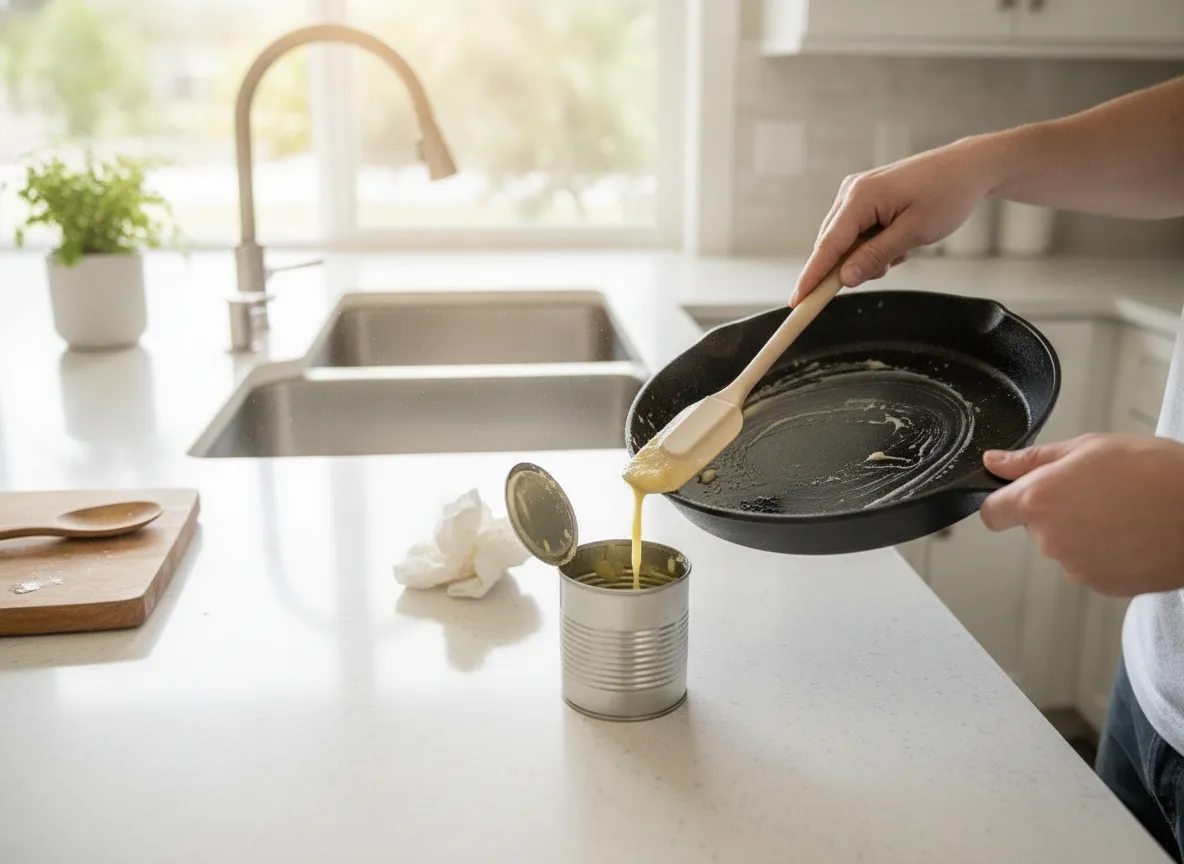
Kitchen lines are the usual repeat offenders. Fats, oils, and grease leave the pan as liquid and cool inside the pipe. The EPA notes that fats, oils, grease, and some products marked flushable can create blockages in sewer systems. A city utility in Florida describes the same homeowner problem: grease solidifies, restricts flow, and can send wastewater back into the building.
Wiping pans into the trash, and letting grease cool in a can, keeps that film from starting. A plunger or a short cable does not scrape the film off. The next pot of pasta water finds the same narrow spot.
Wipes, hair, and paper that never broke down
Hillsborough County utilities warn that items labeled flushable, including wipes, cotton balls, and dental floss, do not dissolve the way toilet paper does. They stay in the pipe, catch more waste, and turn into a repair. Hair does the same thing on a wet bar of soap scum in a tub line. If the last clear only pulled out a plug and left a mat of wipes farther down, the toilet will slow again.
A partial clear that closed back up
Standard drain snaking can open a path and still leave grease, scale, and roots on the wall. Our hydro jetting page states that plainly: the clog can return within weeks or months because the coating is still there. That is why a drain that “was just snaked” and failed again needs a different next step, not the same cable in the same hole.
A vent, trap, or bad slope you can sometimes see
A dry trap gurgles and lets sewer odor in, and it can look like a clog. A vent that is blocked may make a fixture drain slowly and gulp air. Those are real plumbing problems, but they are not a grease ball. A belly is different again. The pipe sags, waste sits in the low spot, and every clear works only until that pocket fills. You cannot see a belly from the sink. A camera can.
What to Check Before You Call
A short check keeps you from flooding the cabinet or pushing a blockage deeper. Do these in order, and stop when water is rising somewhere you did not expect.
- Stop using water on that line. A running washer or a second shower will send more water at the clog.
- Note every fixture that is slow, gurgling, or holding water. One fixture points to a branch. Several fixtures point downstream.
- Look under the sink. A full trap or a leak at the slip joint is a local problem. Do not take the trap apart if water is also rising in a tub or floor drain.
- Bail standing water into a bucket. Do not leave it sitting on the clog while you experiment.
- Skip chemical drain opener on a repeat clog. It can sit in the line, and it does not remove a grease coat or a sag.
- Call when the same fixture has clogged twice, when more than one fixture is involved, or when you smell sewage.
If wastewater is already coming up in a shower, tub, or floor drain, treat it as a sewer backup and stop using every drain in the building. Our guide to a sewer backup in Fort Myers covers those first steps. This article stays with the clog that keeps returning, not the emergency already on the floor.
How to Tell a Branch Clog From a Main-Line Problem
Use the pattern of fixtures, not the brand of cleaner you tried last time. The same plumbing drain clog rarely has two unrelated causes in one week.
- One fixture only. The shower is slow and the toilet next to it is fine. Start with that trap and branch. Hair and soap are common. A repeat still deserves a look past the stopper.
- Kitchen only, and it returns after grease. The branch is coated. Scraping plates and a real clean of the line beat another plunger session.
- Toilet plus a nearby tub or shower. The clog is downstream of both fixtures. Wipes and paper are common. A single-fixture snake may not reach it.
- Several rooms, or a lower drain that fills when an upper one is used. The main line, or the line leaving the house, is holding water. That is no longer a stopper problem.
- The clog returns days after a clear. Assume material is still on the wall, or the pipe is bellied, offset, or rough. Ask for a camera, not another guess.
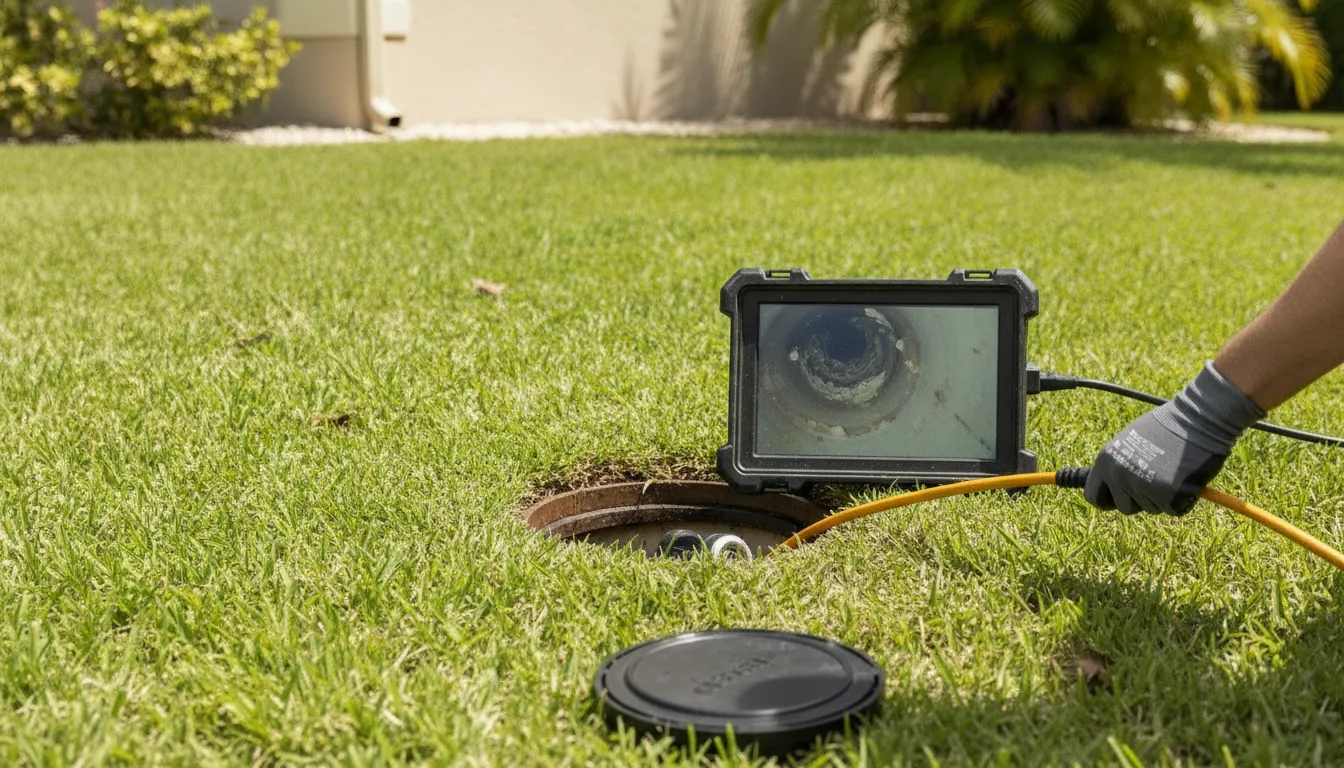
Older homes in Fort Myers and Cape Coral often still have cast iron drains. Hard water leaves scale, and a rough wall catches grease and paper. Mature trees send roots toward any joint that stays damp. Our team sees both on Lee County camera inspections. Neither one is solved by a bottle under the sink.
If you are unsure whether you need a drain service or a sewer cleaning, read sewer cleaning versus drain cleaning before you book. The symptom list there is about choosing the service. The list above is about why the clog came back.
What Each Cause Needs Next
The right next step depends on what is still in the pipe. This is not a price sheet and not a machine comparison. It is a way to match the cause to the visit.
| What you notice | Likely leftover cause | Sensible next step |
|---|---|---|
| One sink or tub slows again after a quick clear | Hair, soap, or a small grease plug still in the branch | Open and clean that branch. Do not pour chemicals on top of standing water. |
| Kitchen drain returns after cooking | Grease film on the pipe wall | Stop putting grease down the drain. Have the line scoured, not just poked open. |
| Toilet slows again after wipes or paper | Material that did not break down farther down the line | Trash the wipes. Have the line cleared past the fixture, then keep only toilet paper in the bowl. |
| Several fixtures gurgle or a lower drain fills | Blockage in a shared line or the main | Stop water use. Book a drain or sewer diagnosis instead of another fixture snake. |
| Clear works, then fails within days or weeks | Coating left behind, roots, scale, or a sag | Camera the line before repeating the same clear. Repair only if the video shows damage. |
| Sewage is already on the floor | Main-line backup in progress | Stop all water. Follow backup steps and call. Do not keep testing fixtures. |
Hydro jetting can scour grease, hair, soap, and mineral deposits when the pipe is sound. We camera the line first, because a cracked or badly deteriorated pipe should be repaired instead of pressure-washed. If the video shows a belly, an offset, or a broken section, cleaning alone will not keep the plumbing drain clog from returning. Repair or replacement is the durable fix, and that decision belongs on the sewer-service conversation, not in a second identical cleaning.
Fort Myers and Lee County calls are quoted at a fixed price before work starts. The diagnostic visit is there to name the cause. It is not an open-ended hourly clean.
How to Keep the Next Clog From Forming
Daily habits matter most on kitchen and bath branches. They will not straighten a bellied pipe, but they keep a sound pipe from coating over.
- Pour cooled grease into a can or jar, close it, and put it in the trash. Do not rinse it down with hot water. Hot water only moves the grease farther, where it cools.
- Scrape plates into the trash before they hit the sink. Coffee grounds, eggshells, and rice belong there too.
- Flush only waste and toilet paper. Wipes, floss, and paper towels go in the trash, even when the box says flushable.
- Use a hair catcher in the shower and empty it before it falls into the trap.
- If a fixture starts to slow, deal with it while it is one branch. Waiting until the tub fills from the washer makes a larger stoppage.
Septic homes have a tighter limit. The EPA says everything flushed or poured down the drain reaches the tank, and a household system should be inspected on a regular schedule. A recurring clog plus a septic system is a reason to check the tank, not only the fixture under the sink.
For homes on a city sewer, a yearly look at slow drains is cheaper than an overflow. Our sewer line maintenance checklist covers cleanout access and warning signs. Use it after this clog is explained, not instead of finding the cause.
Call (239) 785-9022 before a repeat clog becomes a backup.
Frequently Asked Questions
Why does my drain clog again a few days after it was cleared?
The cable often opens a hole and leaves grease, scale, roots, or wipes on the wall. Flow returns until the next waste catches on what was left behind. A repeat that fast needs the coating removed or the pipe inspected, not the same poke through the middle.
Is a slow sink always a plumbing drain clog?
No. A clogged vent, a dry or misset trap, or a strainer packed with debris can slow one fixture. If other fixtures are fine and there is no sewage odor, start at that fixture. If several fixtures slow together, look past the sink.
Can I unclog a sewer line myself?
A plunger or a short hand auger is reasonable for one nearby fixture. It is a poor idea once more than one fixture is involved, sewage is present, or the clog has already come back. You can push debris deeper or damage a fragile pipe. At that point the line needs a plumber and, often, a camera.
What should I stop putting down the drain?
Keep out fats, oils, grease, wipes, paper towels, dental floss, and feminine products. Hillsborough County lists those items because they do not break down like toilet paper. Grease belongs in a sealed container in the trash.
When should I stop DIY and call Whiskey Creek Plumbing?
Call when the same fixture has clogged twice, when a lower drain fills as you use another, when you smell sewage, or when water is rising where it should not. We serve Fort Myers, Lee County, and nearby Southwest Florida with fixed-price drain cleaning and a camera when the cause is not obvious.
Get the Repeating Clog Diagnosed
A plumbing drain clog that keeps coming back is telling you the last clear did not fix the pipe. Name the fixtures, stop the grease and wipes, and let a plumber see whether the line needs a real cleaning or a repair. Whiskey Creek Plumbing is locally owned, licensed in Florida as CFC1431877, and quotes the work before it starts.
Call (239) 785-9022 to schedule drain service.
The EPA explains how fats, oils, grease, and flushable products contribute to sewer blockages on its sanitary sewer overflow FAQ. Hillsborough County’s Don’t Flush It page lists what should stay out of the toilet. For septic homes, the EPA’s septic care guide covers what happens to everything you send down the drain.