Why Is My Water Heater Leaking?
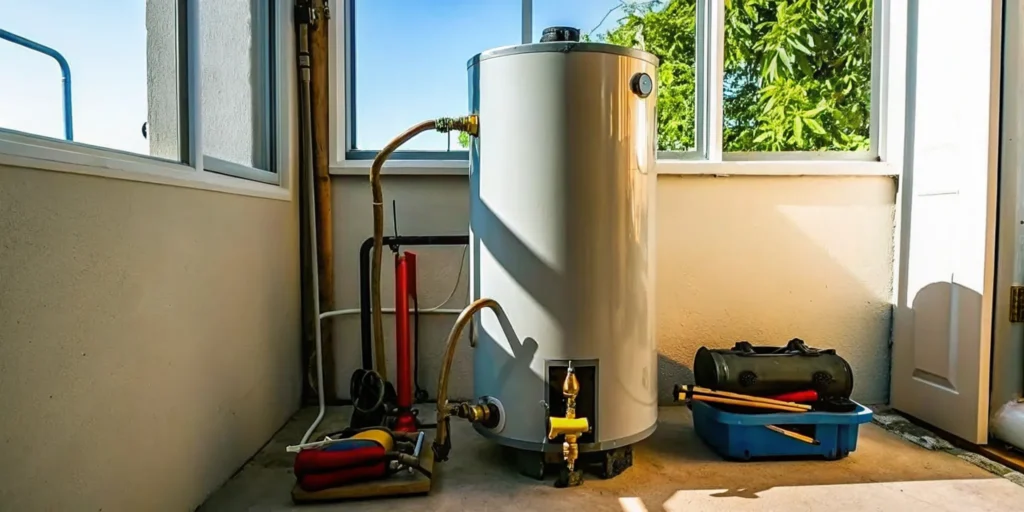
Most home water heaters fail after years of constant heat and pressure. A puddle under your tank means you should act fast to prevent home damage and determine whether the source is a repairable valve, connection, or failing tank.
Schedule water heater service with Whiskey Creek Plumbing or call (239) 785-9022.
A leaking water heater is often caused by a faulty relief valve, a loose drain valve, or internal tank rust. Water dripping from the top may just be a loose pipe connection that needs a quick turn. However, water pooling at the bottom usually points to a cracked inner tank that cannot be fixed and needs a full swap. According to the EPA, home leaks can waste large amounts of water and lead to serious property damage. Finding the source right away helps you decide if you need a simple repair or a brand new unit. Ignoring the moisture can lead to mold or a tank burst that floods your entire home.
Once you spot moisture near your tank, you must take specific steps to keep your home safe and dry. You need to know how to stop the water flow and cut the power before the problem gets worse. Learning what you should do first with a leaking water heater helps you protect your property from harm. The path begins with.
What should you do first with a leaking water heater?
Finding a puddle near your tank is a big worry. A leaking water heater can cause huge messes and high bills. If you see water, you must act fast. Quick moves help stop damage before it gets worse. You need to focus on safety before you try to fix the leak.
Safety comes first
Safety is the key part of this job. Do not step in standing water if wires or outlets are near it. Wet floors can also make you slip and fall. If you can stay safe, wear rubber boots to keep your feet dry. Do not touch metal pipes or the tank until you know the power is out. It is better to wait for a pro than to risk a shock.
Stop the power and water
You must stop the heat and the water flow right away. For an electric tank, find your breaker box and flip the switch. For gas units, turn the dial on the tank to off or pilot. This stops the unit from heating up with no water inside. Next, find the cold water pipe on top of the tank. Turn the handle to close the valve. This stops more water from filling the tank and leaking out.
- Check for power risks. Stay away from water if it is near wires. Turn off the power at the main panel first. This keeps you safe from shocks.
- Shut down the heat. Switch off the breaker for electric tanks. Turn the gas dial to off for gas units. Running a heater with low water can ruin it.
- Close the water supply. Find the cold water shut-off valve on the pipe. Turn it until it stops. This stops new water from entering the tank.
- Clean up the mess. Use old towels or a mop to soak up the water. If the leak is small, use a bucket to catch the drips.
- Find the leak source. Check the top of the tank for loose pipes. Look at the bottom for signs of rust or holes. This helps the pro know what to fix.
- Call for help. Once the area is safe, call a pro. They can tell if you need a fix or a new unit.
Save your home from damage
Even a small drip can lead to big issues. The EPA says that leaks can cause big home damage and waste water. Dry the area fast to stop mold from growing. You should also take photos of any damage for your records. This helps with your insurance claim. Taking immediate steps for water leaks saves you money and stress. If the leak is bad, you may need a a professional plumbing inspection expert to find the exact spot.
How can you tell where the water is coming from?
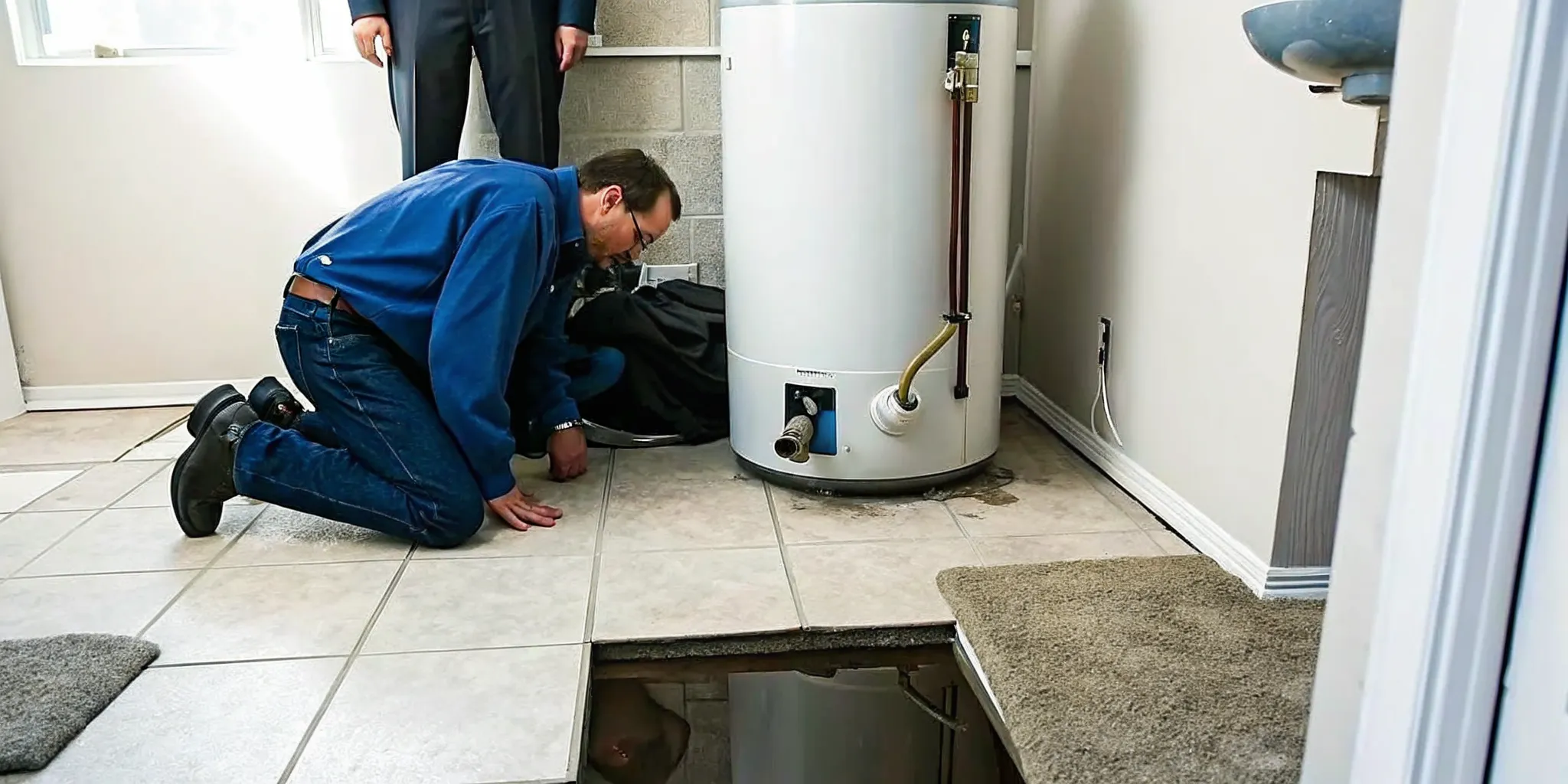
Finding the source of a puddle under your tank can be tricky. Water often moves from one spot to another, making the leak hard to find. Before you take anything apart, look closely at the top and bottom of the unit. Try to trace the path the water takes as it flows.
Check for condensation first
Sometimes, what looks like a leak is just moisture from the air. This is common in our humid climate. Warm air hits the cold metal tank and turns into water drops. This moisture can pool at the base, making it look like you have a leaking water heater. Wipe the area dry and watch it for an hour to see if the water comes back.
Inspect the top connections
If the tank is truly leaking, start your search at the top. Check the cold water inlet and the hot water outlet pipes for signs of moisture. A loose part or a worn-out seal here can cause water to drip down the sides of the tank. You should also check the safety valve. If this valve fails, it may drip water that runs down the unit. This makes the leak look like it is coming from the bottom.
Find the true source
Water can travel along pipes or the tank shell before it hits the floor. This “traced water” can trick you into thinking the tank is broken. The real problem may be a pipe nearby. According to the EPA, checking your water meter can help you find a leak. Read the meter, wait two hours without using water, and read it again. If you see water but cannot find the start, a professional plumbing inspection can find the exact spot. High water bills are another sign that you have a hidden problem that needs help fast.
Common causes of a leaking water heater
A leaking water heater can start as a small drip but quickly turn into a big problem. Most water heaters stay in good shape for about 8 to 12 years before they start to fail. Finding the leak early is the best way to stop water damage in your home. Some leaks come from loose parts you can fix, while others mean the whole tank needs to be replaced.
Check the top connections
Many leaks start at the top of the tank where the water pipes connect. The cold water inlet and hot water outlet pipes can loosen over time due to heat and pressure. If you see water pooling on top of the heater, check these fittings first. Tightening a loose nut may be all you need to do to stop the drip. You can also use a professional plumbing inspection if you cannot find the source yourself.
The T&P valve is another common spot for leaks at the top or side of the unit. This safety valve lets water out if the tank gets too hot or the pressure is too high. If the valve is old or the spring is weak, it may drip. A steady leak here could mean the valve is bad or your home water pressure is too high. You should check your water bill for spikes that show a constant leak.
Examine the drain valve and bottom leaks
The drain valve is the faucet at the bottom of the tank used to flush out sediment. If this valve does not close all the way, it will leak. Sometimes, bits of scale or dirt get stuck in the valve seat. You can try to tighten the valve or put a cap on it as a quick fix. If the valve itself is broken, a plumber can swap it out for a new one without replacing the whole tank.
If you see water coming from under the tank, the inner lining may be rusted through. Over time, minerals in the water eat away at the steel tank. Once the tank starts to corrode and leak from the bottom, it cannot be fixed. In this case, you will likely need a new water heater installation to keep your home dry and safe.
Compare leak types and repairs
Knowing which leaks are easy to fix and which are not helps you plan your next move. Small drips from pipes or valves are often simple repairs. A leak from the tank itself is usually a sign that the unit has reached the end of its life. Use the table below to see what your leak might mean for your repair bill.
| Leak Location | Likely Cause | Common Fix |
|---|---|---|
| Inlet/Outlet Pipes | Loose fittings | Tighten or seal joints |
| T&P Relief Valve | Excess pressure or age | Replace the valve |
| Drain Valve | Sediment or bad seal | Clean or replace valve |
| Tank Base | Internal corrosion | Full tank replacement |
| Expansion Tank | Internal failure | Install new expansion tank |
Protect your home from damage
A small leak can lead to mold growth and rot in your floors or walls. It is important to take immediate steps for water leaks to stop the flow of water. Turn off the power and the water supply to the heater right away. This stops more water from entering the tank and prevents electrical issues while you wait for help.
If your unit is more than 10 years old, you should think about choosing a new water heater before a total fail occurs. A proactive swap is often cheaper than dealing with a flooded room. At Whiskey Creek Plumbing, we offer fixed prices so you know the cost before we start any work on your home.
When is a water heater leak an emergency?
Not every drip from your unit means you need help right away. But a leaking water heater can turn into a big problem fast. Some leaks only need a small fix during the day. Other leaks are true emergencies that put your home at risk. You should know the signs so you can act fast. If you see water pooling around the base of your tank, it is time to check for danger.
Signs of a major tank failure
A slow drip might not seem bad, but a steady flow of water is a big red flag. If water is gushing from the tank, you must turn it off now. Look for a bulging tank or deep rust along the bottom. These signs show the metal is weak and could burst at any time. When the inner tank fails, it cannot be fixed. You will need a new unit to stop the mess and keep your home dry.
You should also look for rust in your water. If your hot water looks brown or smells like metal, the tank is likely rotting from the inside. This rot leads to cracks that can open up without warning. To protect your floors and walls, take immediate steps for water leaks by shutting off the main water valve.
Safety risks and gas odors
Some signs of trouble are about more than just water damage. If you smell gas near your water heater, leave your house and call for help. A gas leak can lead to a fire or even a blast. You should also listen for strange sounds. A sizzling or popping noise often means water is hitting the burner or power parts. This can cause a short or damage the heating parts.
High heat is another danger sign. If your water is too hot to touch, the pressure inside the tank may be too high. The safety valve should let out a little water to lower that pressure. If that valve drips all the time, or if it stops working, the tank could fail. While some people worry that a tank might blow up, safety valves usually prevent this. Still, you need a professional plumbing inspection to find the root cause before it gets worse.
Water damage and high bills
Even a small leak can cause big costs over time. Leaks in the home can waste thousands of gallons of water and cause serious damage to your property. Water can soak into your drywall and grow mold in just a few days. If your water bill goes up for no reason, your water heater might be the cause.
Look for these red flags to see if you have an emergency:
- Water pooling at the base of the tank.
- Signs of a bulging or cracked tank.
- A strong smell of gas or burning.
- Loud popping or sizzling sounds.
- Water marks on the ceiling or walls near the unit.
Whiskey Creek Plumbing offers 24/7 help in Fort Myers. We use a fixed-price model so you know the cost before we start. This helps you get the fix you need without worry.
Can a leaking water heater be repaired?
Find the source of the drip
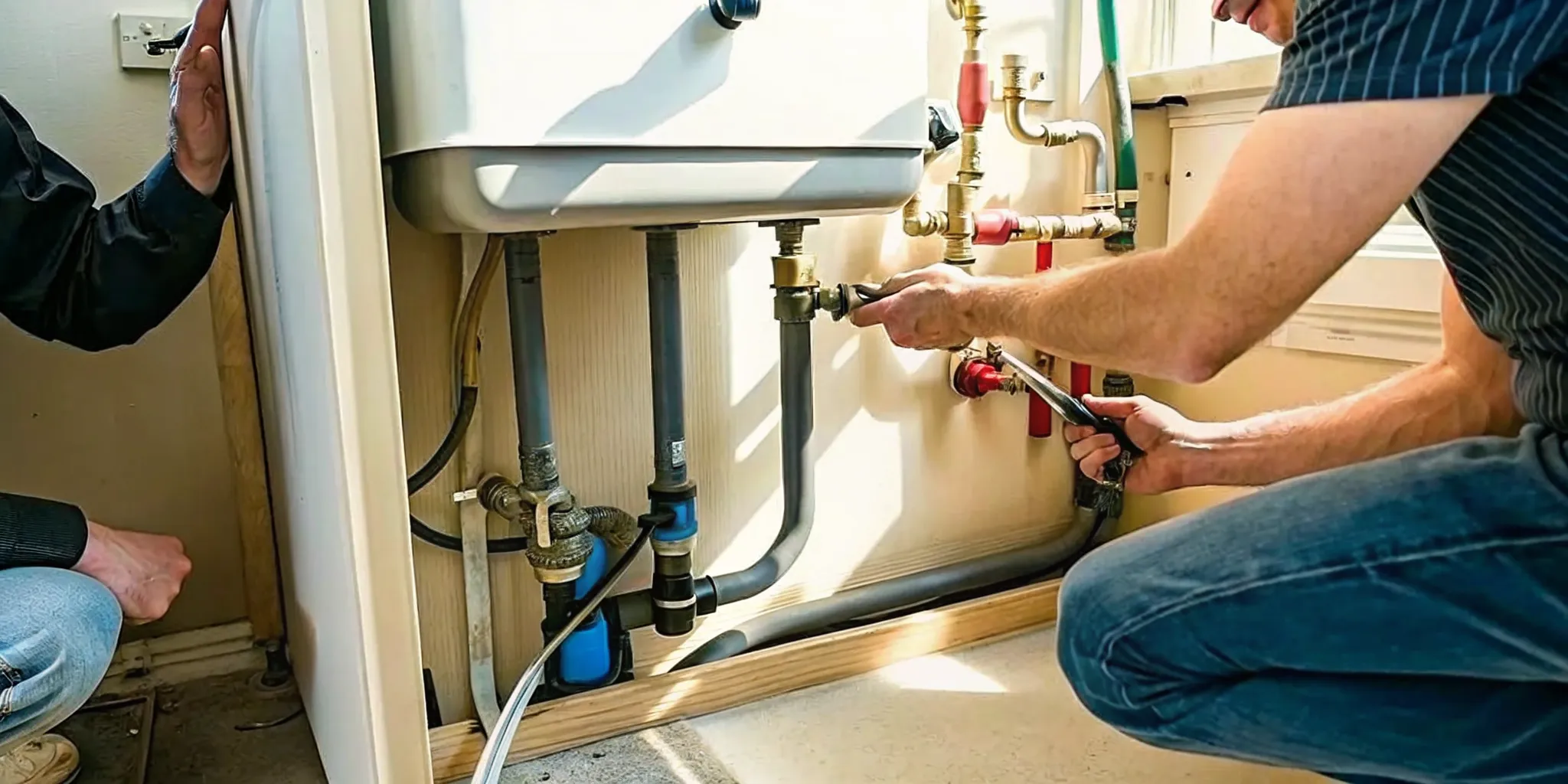
Not all puddles on your floor mean you need a new tank. First, look at the pipes and valves at the top of the unit. A loose nut or a worn seal can let water leak out. If the leak comes from a pipe, an expert plumber can fix it fast. You should also check the heat and pressure valve. This part keeps the tank safe by letting out extra heat. If it is old or stuck, it might drip.
Fixing these small parts is cheap and keeps your unit in good shape. The EPA notes that fixing small leaks can save a lot of water and lower your bills. If you are not sure where the water starts, a professional plumbing inspection can find the problem with ease. Our team can spot the issue fast to save you time and money.
When a tank leak means it is time for a change
If water comes from the base of the tank, the news is often bad. Inner tank leaks usually happen because of rust. Over time, minerals in the water eat away at the metal shell. Once a hole forms in the main tank, you cannot weld or patch it. Most units last between 8 and 12 years. If your heater is in that range, a leak is a sign that the metal is worn out.
At this point, a new water heater installation is the best move. A new unit will work better and use less power. This helps you avoid the stress of a sudden flood in your Fort Myers home. We offer fixed prices so you know the cost of your new unit before we start the work. This way, you can plan your budget without any surprise fees.
Safety risks and expert help
A leak is more than just a mess. It can affect your health and your safety. When water sits under your heater, mold can grow. The CDC warns that germs like fungi can live in damp spots. This can create a risk for your family. Also, a leaking tank often has a lot of dirt and rust at the bottom. This buildup makes the unit work harder and can trap heat, which adds stress to the metal.
Trying to fix a water heater yourself can be risky. These units use high power and very hot water. One small mistake can lead to a burn or a shock. Our team at Whiskey Creek Plumbing looks at the tank age, the rust levels, and the valves to give you the best advice. We treat our customers like family and stand behind our work with a full guarantee. When you have a leak, you can count on us to fix it right the first time.
How can you reduce the risk of future leaks?
Stopping a leak is the first step, but preventing the next one is just as vital. Small issues often turn into a leaking water heater if you leave them alone. Regular checks can help you find problems before they cause big water damage to your home.
Check for drips and rust
Start by looking at your tank once a month. Search for signs of rust on the tank or wet spots on the floor. Pay close attention to the pipes and valves at the top. A tiny drip from a valve can lead to rust over time, which eats through the metal.
You should also clear the area around your unit. If you store boxes or tools too close, you might miss a slow leak until it is too late. Keeping the space open makes it easy to spot a pool of water early. If you want to be safe, you can use a professional plumbing inspection to find hidden issues in your pipes.
Monitor your water bill
Your monthly bill is a great tool for finding leaks you cannot see. The EPA suggests you compare your bill to the same month from the year before. If the cost is much higher now but your habits are the same, you may have a leak.
You can also check your water meter to find a leak. Turn off all the water in your house and read the meter. Wait for two hours and then read it again. If the numbers change, water is moving somewhere in your system. This test helps you find small leaks before they grow into a major flood.
Keep the tank clean
Hard water can build up inside your tank and cause it to fail early. This scale makes the unit work harder and can trap heat, which weakens the metal. Most units last about 8 to 12 years, but keeping the tank clean can help you reach the full life of the unit.
If you find that your tank is too old or rusty, you may need a new one. Talking to an expert about water heater installation is the best way to ensure your new unit is set up for success. They can add a drain pan or a leak alarm to give you extra peace of mind in the future.
Frequently Asked Questions
Is a leaking water heater dangerous?
A leaking water heater can pose several risks to your home and safety. Large leaks may lead to significant structural damage or mold growth if water pools in your walls or floors. In rare cases, a leak from the pressure relief valve could signal high internal pressure or heat, which is a major safety concern. To protect your property, you should take immediate steps for water leaks by shutting off the water and power supply.
Will a leaking water heater explode?
It is very rare for a water heater to explode, but a leak from the temperature and pressure relief valve can be a warning sign. This valve is designed to release water if the tank gets too hot or the pressure becomes too high. If this valve fails or the tank is damaged, the risk increases. You should have a professional from Whiskey Creek Plumbing inspect any leak near the top of the unit to ensure the system is venting pressure safely.
Why is my water heater leaking from the bottom?
Leaks from the bottom of the tank often mean the inner lining has corroded. Over time, sediment builds up inside the unit and eats away at the metal. According to the EPA, water leaks in a home can waste huge amounts of water and cause serious property damage. If the tank itself is leaking from the bottom, the unit usually needs a full replacement. Most standard water heaters have a service life of about 8 to 12 years.
Can a leaking water heater be repaired?
Whether a repair is possible depends on where the water is coming from. If the leak is at a loose pipe fitting or a faulty valve, a plumber can usually fix it quickly. However, if the tank itself is leaking due to rust or a crack, it cannot be repaired and must be replaced. Whiskey Creek Plumbing offers fixed-price quotes for water heater installation and repairs, so you always know the cost before the work begins.
Is water dripping from the relief valve normal?
A small amount of water may occasionally drip from the relief valve as the water inside the tank expands during the heating process. However, a constant drip or a steady stream of water is not normal and should be checked by a professional. This may mean the valve is broken or the water temperature is set too high. Addressing this early can prevent more costly repairs or damage. Our team is available 24/7 to help diagnose and resolve these urgent plumbing issues.
Ready to schedule water heater service?
A small puddle under your tank can quickly turn into a flood that ruins your floors and walls. Waiting to fix a leak often leads to higher repair costs or a sudden tank failure that leaves your home without hot water. You can avoid these risks by getting a professional inspection today to catch issues before they get worse. Our local family-run team provides fast and reliable help to keep your home dry and safe. We focus on clear pricing and local trust to ensure you get the best outcome for your plumbing needs. We have served the Fort Myers area since 2006 and know how to handle these jobs fast. Do not let a small drip become a big headache for your family. Taking action now saves you time and money on future repairs. We are here to help you get your hot water back and running today.
Ready to get your tank fixed? Call (239) 785-9022 to schedule water heater service with Whiskey Creek Plumbing.
