
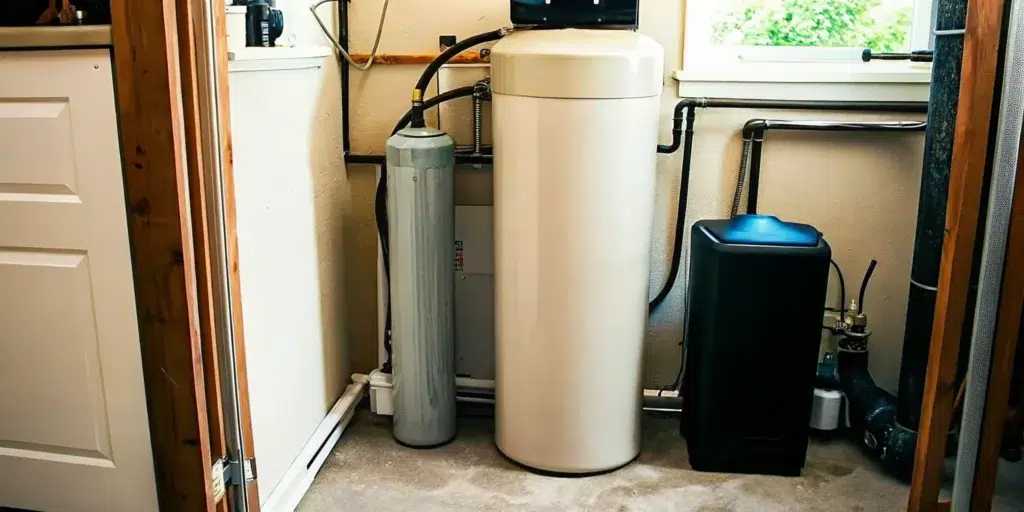
Chalky white film on your faucets and dry skin after a shower mean your home has hard water. This mineral buildup slowly destroys your pipes and appliances from the inside out.
Water softener services in Fort Myers are the best way to protect your home from the heavy mineral content found in local water. Most homes in Southwest Florida deal with hard water that contains high levels of calcium and magnesium. These minerals create a sticky scale that clogs pipes and ruins appliances like your dishwasher and water heater. The professional team at Whiskey Creek Plumbing provides annual inspections to ensure your ion-exchange system works right. Whiskey Creek Plumbing technicians check your resin bed, clean the brine tank, and adjust the settings to match your specific water use. This regular care prevents the efficiency loss described in academic research and extends the life of your entire plumbing system. Staying ahead of maintenance with Whiskey Creek Plumbing keeps your water clear and your pipes free of damaging scale.
You might notice spotting on your glasses or low water pressure, but knowing why these things happen is the first step toward a fix. Understanding Hard Water Basics and Water Softener Services in Fort Myers helps you find small issues before they turn into major plumbing problems. The path begins with
Understanding Hard Water Basics and Water Softener Services in Fort Myers
Hard water is a common issue for many people in Southwest Florida. This type of water has high levels of minerals like calcium and magnesium. When these minerals stay in your water, they can lead to scale buildup in your pipes and fixtures. This buildup can shorten the life of your plumbing and make your water heater work much harder.
How water softeners work
A water softener uses a process called ion exchange to clean your water. Inside the tank, the system uses small beads known as cation resin. These beads hold a charge that pulls the calcium and magnesium ions out of the water. As the hard water flows through the resin bed, the system swaps these mineral ions for sodium or potassium ions. This ion-exchange technology is the standard way to remove hard minerals from a home water supply.
Florida’s hard water challenges
In areas like Fort Myers, the ground water often picks up minerals as it moves through limestone. This results in water that can be very hard on your home systems. Using professional water softener services in Fort Myers helps protect your home from the dull film and spots that hard water leaves behind. Regular care of your system ensures that the resin stays effective and your water stays soft for years.
Common Signs of Hard Water in Southwest Florida Homes
Living in Southwest Florida means dealing with unique water issues. Many families here face the effects of hard water every day. This happens when water picks up minerals as it flows through the ground. The most common minerals found in local water are calcium and magnesium. While these minerals are safe to drink, they can cause many problems in your home. You may notice film on your dishes or scale on your pipes. If you see these signs, you might need water softener services in Fort Myers to fix the issue.
Spots on your glass and dishes
Have you noticed white spots on your clean glasses? These cloudy marks are a clear sign of hard water. When water dries on a spot, it leaves the minerals behind. This creates a crusty layer that is hard to scrub away. You might also see this film on your shower doors or tile walls. Over time, this soap scum can build up and make your bathroom look dull. It can also make it much harder to keep these areas clean. This buildup comes from calcium that sticks to the surface as the water dries.
Stiff laundry and dry skin
Hard water does not just affect your dishes. It also changes how your soaps and cleaners work. You might find that your laundry feels stiff or scratchy after a wash. The minerals trap soap in the fabric of your clothes. This can cause colors to fade faster and may even wear down the fibers. You might also feel the effects on your body. Hard water can leave a film on your skin that clogs pores. Many people find their skin and hair feel dry or itchy after a shower. The minerals bond with the soap, which prevents a good lather and leaves a film on your skin.
Signs to watch for
If you suspect your home has hard water, look for these common signs:
- White crust on faucets and shower heads.
- Cloudy film on glassware and dishes.
- Laundry that feels stiff or looks dull.
- Dry or itchy skin after you bathe.
- Low water pressure in your sinks and showers.
Clogged pipes and low pressure
The biggest problems with hard water are often the ones you cannot see. Inside your pipes, minerals can form a hard layer called scale. This scale buildup slowly narrows the space where water flows. Over time, you may notice your water pressure starts to drop. It can also cause your water heater to work harder and use more energy. This can lead to higher bills and may even cause your home machines to break early. The calcium buildup acts as a layer in your water heater, making it take longer to heat the water. Regular checks can help you find these issues before they turn into costly repairs.
Water Softener Services in Fort Myers: Signs Your System Needs Attention
Living in Southwest Florida means dealing with hard water. Most homes here use ion-exchange technology to pull minerals like calcium and magnesium from the tap. These units work hard to keep your pipes clear, but like any tool, they can wear out over time. Knowing the signs of a fail is key to keeping your home safe.
How to Spot Hard Water
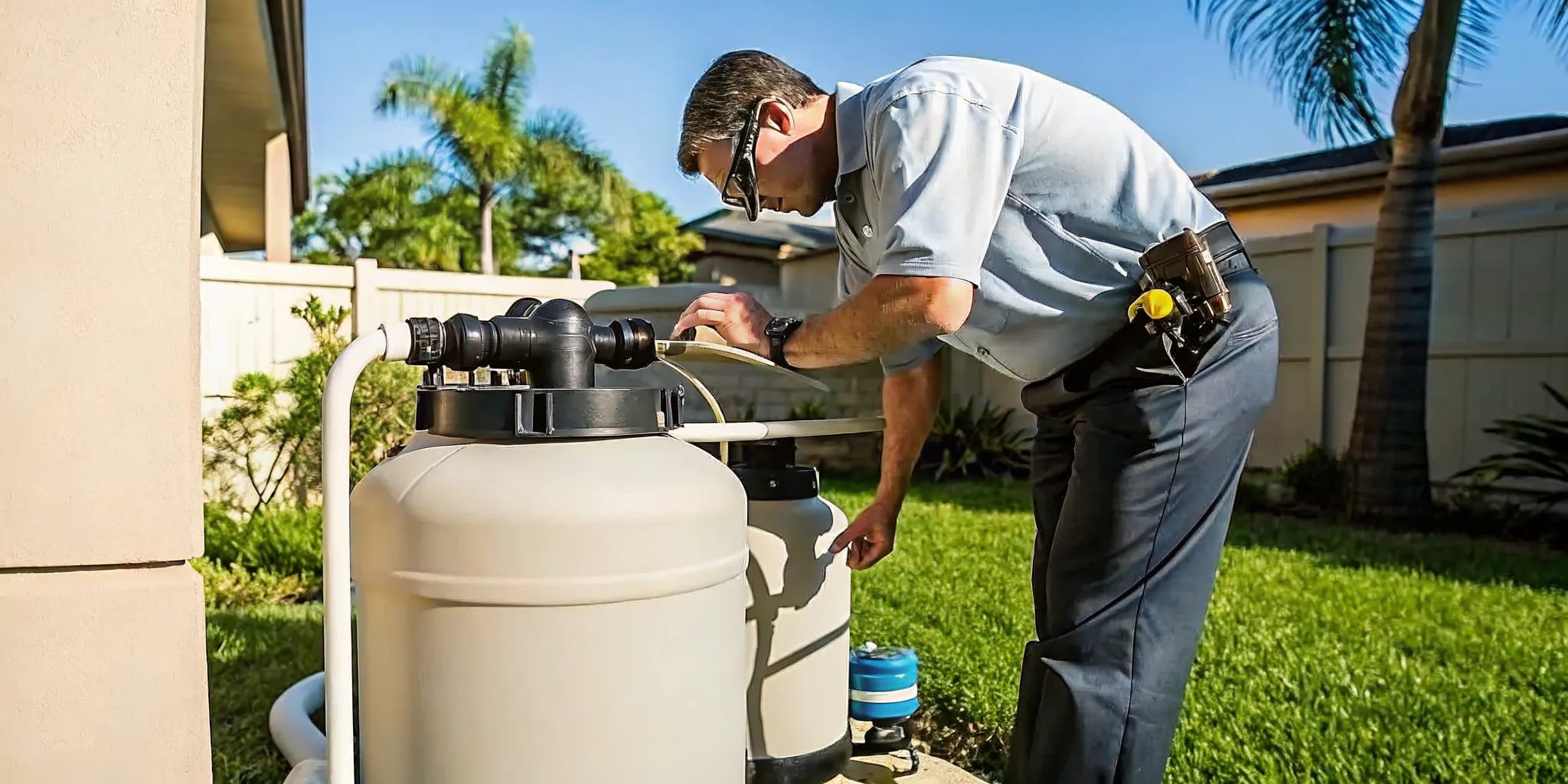
When your system stops working, you will notice changes in your home. You might see white spots on your clear glass or feel a film on your skin after a bath. This happens because hard water has high levels of minerals. These minerals can lead to scale buildup in your pipes and gear, which can slow down water flow and cause damage.
Our team at Whiskey Creek Plumbing often sees local homes with scale issues. Scale can ruin a dish machine or a clothes washer in just a few years. If you see crust on your shower head, it is time to check your unit. Fast action can save you a lot of money on big fixes, so we can check your water to see if your unit is doing its job.
Common System Problems
A unit that is not working right will show clear signs, so you should check your salt tank once a month. If you do not see a change, the unit may be stuck in one mode. This can lead to hard water flowing through your whole house. Here are the steps to find out if your system needs a pro to look at it.
- Check your glass for spots. If your dishes come out of the wash with white film, your system is likely failing. Hard water leaves these marks behind after it dries.
- Look at the salt level in your tank. A working system uses salt to clean the resin. If the salt level stays the same for weeks, the unit is not cleaning itself.
- Pay attention to how the water feels. Soft water should feel smooth or even a bit slick on your skin. If the water starts to feel rough or like sand, the minerals are back.
- Watch for low water pressure. Scale can build up inside the softener itself or in the pipes. If your shower is now a drip, the unit may be blocked.
- Listen to your unit at night. Most systems run a clean cycle once a day or every few days. If you hear it running all the time, it might have a broken valve or sensor.
Why System Care Matters
Keeping your system in top shape is about more than just soft water. Proper care helps the ion-exchange resin stay clean and work well for a long time. This saves you on salt and helps the unit last longer. A well-kept system uses less power and less water during its clean cycles.
We suggest that you have a pro check your system once a year to keep things running well and find small leaks. Our water softener maintenance and care include full tests and cleaning. We make sure your settings match the local water hardness so you get the best results. A quick visit can keep your water soft and your pipes clear for years to come.
Why Regular Water Softener Maintenance Matters
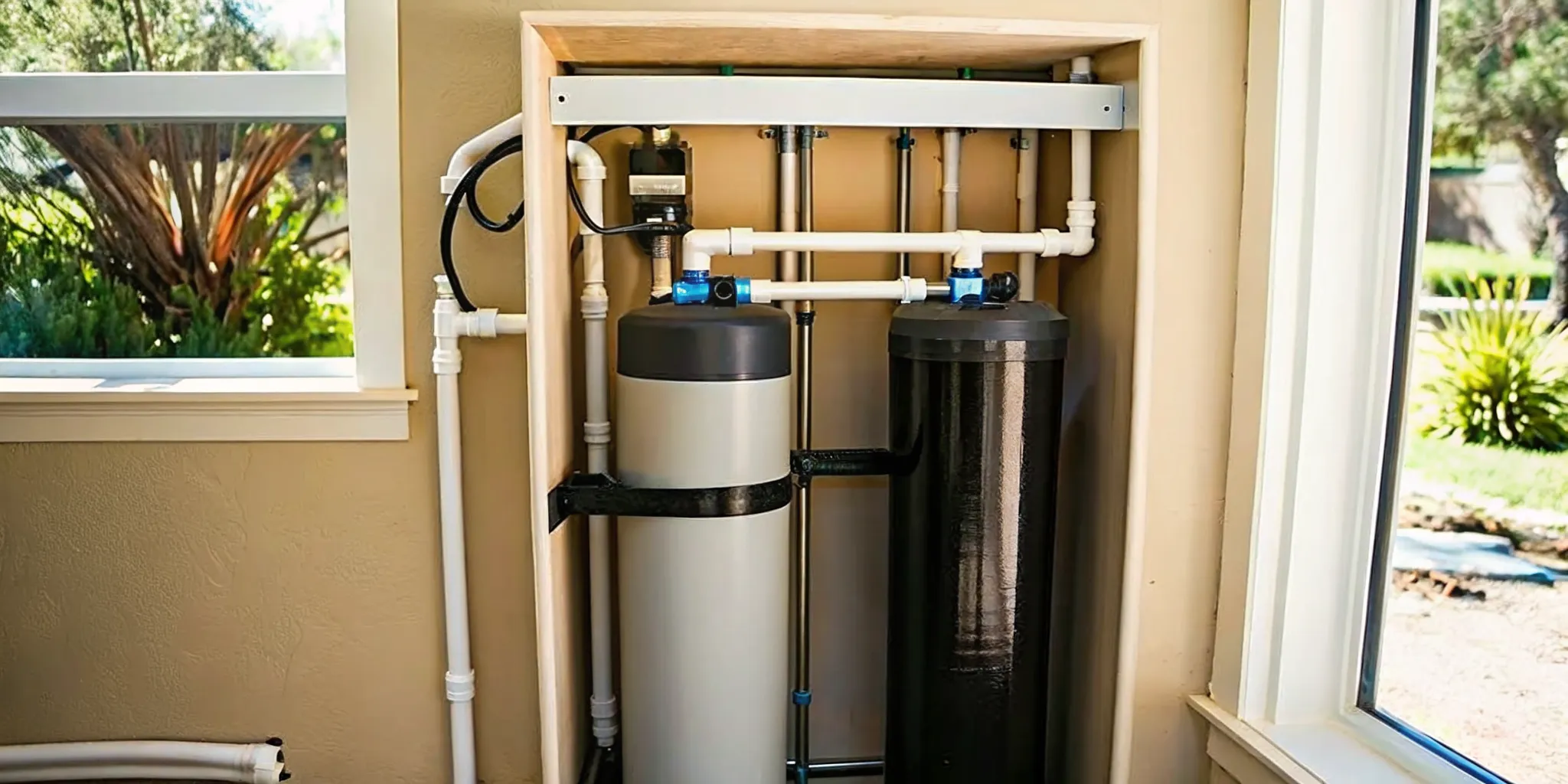
A water softener is a hard-working tool for your home. It uses resin to pull minerals like calcium and magnesium out of your water. Over time, these parts can wear down or get dirty. Regular water treatment service keeps the system running well. Without care, your unit may stop working as it should.
Keep the resin working well
The resin beads inside your tank do the heavy work. They trap hard minerals to make your water soft. But these beads can lose their charge or get clogged with silt. Proper care helps keep ion-exchange resin cost efficiency high so you do not waste salt or water. Good service ensures the resin lasts for a long time.
Prevent scale and plumbing damage
When a softener fails, hard water starts to flow through your pipes again. This leads to scale buildup on your taps and inside your water heater. Scale can clog pipes and make your appliances work harder. Regular checkups help prevent hard water scale issues that can shorten the life of your plumbing. A small fix now saves a big repair bill later.
Annual inspections for best results
Most systems need a pro to look at them once a year. A trained plumber can find small leaks or parts that are about to break. They also check the salt levels and brine tank to keep things clean. Yearly service ensures your home always has the soft water it needs to stay clean.
| Service Task | DIY Home Care | Professional Service |
|---|---|---|
| Salt Levels | Check and fill salt every month. | Check salt type and amount. |
| Brine Tank | Break up salt bridges. | Deep clean the tank and valves. |
| Resin Health | Add resin cleaner as needed. | Test bead life and charge. |
| System Leak Test | Look for visible drips. | Test all seals and valves. |
| Water Hardness Test | Use a simple test strip. | Check for full mineral removal. |
Frequently Asked Questions
How often should a water softener be serviced?
Most experts suggest you have your unit checked once a year. A pro can find small leaks and clean the valves to keep the system running well. This yearly check helps prevent scale buildup in your pipes and keeps the resin beads working at their best. Regular care ensures you do not waste salt or water. According to Whiskey Creek Plumbing, annual inspections are the best way to keep your system in top shape for years.
Do water softeners remove magnesium from the water?
Yes, these systems are built to pull hard minerals out of your tap water. Most units use ion-exchange technology to swap calcium and magnesium ions for sodium or potassium. This process cleans the water and stops white crust from forming on your taps. By removing these minerals, you can enjoy softer skin and cleaner dishes. It also helps your home machines last much longer since they do not have to fight through thick scale.
Who should I call for water softener services in Fort Myers?
You should call a licensed plumber who knows the local water issues in Southwest Florida. Our team at Whiskey Creek Plumbing has served the Fort Myers area 25 years of experience, proudly serving Lee County and surrounding areas since 2022. We offer full checks and repairs for all major brands to keep your water soft. A local pro can set your unit to handle the specific hardness of the ground water in your neighborhood. This ensures your home stays safe from the effects of hard water scale.
How does hard water affect household plumbing?
Hard water carries high levels of minerals that can cause scale buildup inside your pipes. Over time, this crusty layer narrows the space where water flows, which leads to lower water pressure. It can also trap heat in your water heater, causing it to use more power and fail early. Most homes see these signs through white film on faucets or dull spots on glass. Regular service helps clear these issues before they cause big leaks or breaks.
Are you ready to set up your expert water softener service today?
If you wait to fix your water softener, hard water will hurt your home by building up scale that ruins pipes and costly tools. Getting a pro to check your system now stops big repair bills later and helps your system work well for a long time. You can get soft water back and stop worrying about itchy skin after you contact our team to find all salt issues.
Ready for your water softener service assessment? Call (239) 785-9022 to talk to a local plumber and book your home visit today to keep your home safe. Our local team is ready to help you now with your home plumbing needs.