
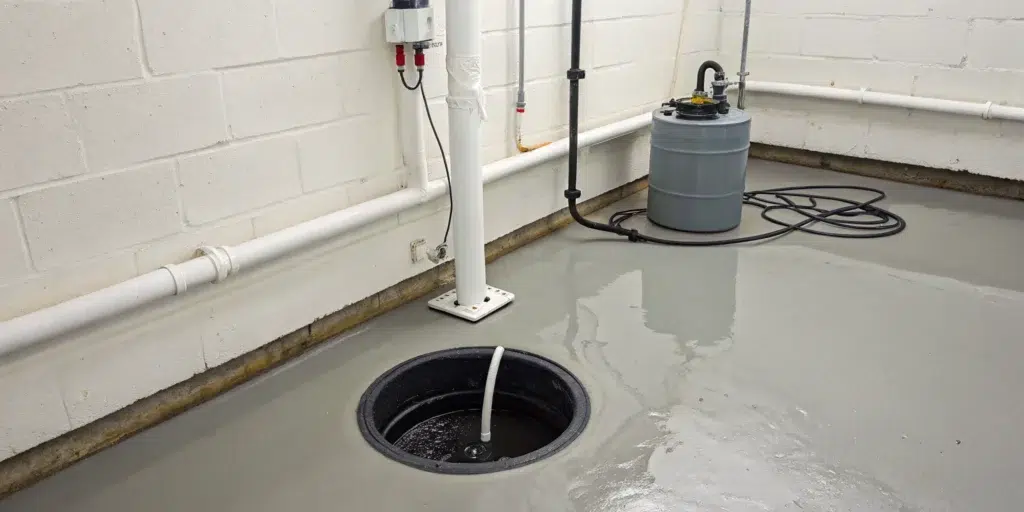
The phrase “sump pump maintenance” might sound like a job reserved for a professional, but you’d be surprised how much you can do yourself to keep your system running smoothly. Taking a few minutes every few months to perform some simple checks is one of the smartest ways to prevent a costly water emergency. It’s about being proactive rather than reactive. This guide is designed to give you the confidence to care for your sump pump with an easy-to-follow checklist. We’ll cover how to clean the pit, test the components, and spot trouble before it starts, ensuring your pump is always ready for action.
Key Takeaways
- Create a simple maintenance routine: Regularly cleaning the pit, testing the float switch, and clearing the discharge line prevents most common failures and helps your pump last longer.
- Watch for warning signs: Pay attention to strange noises, constant running, or visible rust, as these are clear indicators that your pump needs attention, especially if it is more than seven years old.
- Know when to call for backup: Leave installations, complex repairs, and tricky diagnostics to a professional, and consider a battery backup system for essential protection during power outages.
What Is a Sump Pump and How Does It Work?
If you’ve ever worried about your basement or crawlspace flooding during a heavy Florida downpour, a sump pump is your first line of defense. Think of it as a dedicated security guard for the lowest level of your home, automatically protecting it from water damage. Its job is simple but critical: to remove water that accumulates in a specially designed pit, called a sump basin, before it has a chance to flood the area.
This small but mighty device sits in the lowest part of your basement or crawlspace, collecting groundwater and excess moisture. When the water level gets too high, the pump kicks on and directs the water safely away from your house. This process protects your home’s foundation, prevents costly water damage, and stops mold and mildew from growing. It’s an essential piece of equipment for keeping your home safe, dry, and structurally sound, especially in a place like Fort Myers where storms can bring a lot of rain. Understanding how it works is the first step in making sure it’s always ready to do its job.
Key components of a sump pump
A sump pump system might sound technical, but it’s made up of a few straightforward parts working together. First is the sump basin (or pit), which is the hole in your basement floor where water collects. Inside or above the basin is the pump itself, the motor that does all the heavy lifting. The most common type is a submersible pump, which sits directly in the water.
The magic happens with the float switch. Much like the float in your toilet tank, it rises with the water level. Once it hits a certain height, it triggers the pump to turn on. The water is then pushed out through a discharge pipe, which carries it away from your home. A crucial part of this is the check valve, a one-way flap inside the pipe that prevents water from flowing back into the basin after the pump shuts off.
How it keeps your home dry
So, how do these parts come together to prevent a flood? When it rains heavily or the groundwater level rises, water naturally flows toward the sump basin. As the basin fills, the float switch lifts and activates the pump. The pump then forces the water out through the discharge pipe, directing it to a spot far from your foundation. This cycle repeats as long as excess water is present, keeping your basement or crawlspace consistently dry.
By automatically managing water levels, a sump pump is your best defense against basement flooding, musty odors, and the growth of mold and mildew. It’s a key part of protecting your property’s value and your family’s health. To ensure it’s always ready for action, regular checks and professional pump and valve services are essential for keeping the system in top condition.
Why You Can’t Skip Sump Pump Maintenance
It’s easy to forget about your sump pump. It sits quietly in a corner of your basement or crawl space, waiting for the moment it’s needed. But that “out of sight, out of mind” approach can lead to trouble. Think of sump pump maintenance like changing the oil in your car; you might get away with skipping it once or twice, but eventually, neglect will cause a major breakdown, usually at the worst possible time. For homeowners in Fort Myers, where a sudden downpour can quickly saturate the ground, a reliable sump pump is your first line of defense against a waterlogged home. A little bit of maintenance goes a long way in ensuring your home stays dry and protected, season after season. Taking the time for a few simple checks can prevent a world of stress and expense down the road.
Prevent costly water damage and flooding
Your sump pump is the unsung hero that protects your basement or crawl space from flooding during heavy rains and storms. But without proper care, it can fail right when you need it most. A failed pump can quickly lead to standing water, ruined furniture, and damaged foundations. The cleanup can be incredibly expensive and stressful. Regular maintenance helps you avoid those expensive cleanup costs by ensuring your pump is ready to handle whatever the weather throws at it. Taking a few minutes to check on it can save you from a massive headache and protect your biggest investment: your home.
Protect your home from mold and mildew
A flooded basement is bad enough, but the problems don’t stop once the water is gone. Lingering moisture creates the perfect breeding ground for mold and mildew, which can cause health issues and leave your home with a persistent musty smell. If you’ve ever walked into your basement and noticed a rotten or moldy odor, your sump pump might be struggling to keep up. Even a small, consistent amount of dampness is enough for mold to take hold. Keeping your sump pump in top shape is about more than just preventing a flood; it’s about maintaining healthy air quality for you and your family.
The cost of neglect vs. regular upkeep
It’s easy to ignore small changes in your pump’s performance, but those little quirks can be warning signs of a bigger problem. A pump that runs constantly, makes strange noises, or fails to turn on could be on its last legs, and ignoring it can lead to a flooded basement. The cost of a professional service call or a few minutes of your time is tiny compared to the expense of a full pump replacement and water damage restoration. Plus, regular maintenance helps your pump last longer, often for its full 7-to-10-year lifespan. When you need an expert eye, our team offers professional pump and valve services to keep your system running smoothly and give you peace of mind.
Your DIY Sump Pump Maintenance Checklist
Giving your sump pump a little attention a few times a year is one of the smartest things you can do to protect your home. Think of this checklist as your guide to preventing a major headache down the road. It’s straightforward, doesn’t take long, and can save you from costly water damage. Especially here in Florida, where a sudden downpour can put any home’s drainage to the test, a reliable sump pump isn’t just a nice-to-have, it’s essential. This routine maintenance helps ensure your pump is ready to work exactly when you need it to. Grab a bucket and a flashlight, and let’s walk through the steps to keep your basement or crawl space dry and your sump pump happy.
Step 1: Cut the power
First things first: safety. Before you do anything else, you need to disconnect the sump pump from its power source. Unplug both the main pump and the backup pump, if you have one, from the wall outlet. It’s also a good idea to remove the lid from the sump pit and have a look inside with a flashlight. This simple step prevents any electrical accidents and lets you get a clear view of what you’re working with before you start handling the equipment. You can’t be too careful when working with electricity and water, so always make this your absolute first move.
Step 2: Inspect the pump for damage
With the power off, take a close look at the pump and the pit. Do you see any visible rust or corrosion on the pump itself? Is there an oily sheen on the surface of the water? These can be signs of a failing motor or seals. Check for any cracks or damage to the pump’s housing. Catching these small issues early gives you time to address them before they turn into a pump failure during a heavy storm. If you spot significant rust or leaks, it might be time to consider a professional inspection to see if a repair or replacement is needed.
Step 3: Clean out the sump pit
Over time, the sump pit can collect dirt, gravel, small stones, and other debris that gets washed in. This gunk can get sucked into your pump, causing a clog and potentially burning out the motor. Use a small shovel or your hands (with gloves, of course!) to scoop out any debris from the bottom of the pit. A clean pit ensures that water can flow freely and that your pump only has to deal with water, which is exactly what it’s designed for. This is one of the easiest ways to prevent a future jam and keep your pump operating efficiently.
Step 4: Scrub the pump and its inlet screen
Now that the pit is clean, it’s time to clean the pump itself. You can lift the pump out of the pit for easier access. Use a cloth or a brush to wipe away any grime or buildup from the pump’s body and, most importantly, its inlet screen. This screen acts as a filter to stop debris from entering the pump. If it gets clogged, the pump has to work much harder and can overheat. A quick scrub keeps everything running smoothly and can significantly extend the life of your pump.
Step 5: Test the float switch
The float switch is what tells your pump when to turn on and off, so it’s critical that it moves freely. After placing the pump back in the pit, slowly pour a bucket of water inside. Watch the float rise with the water level. The pump should kick on, drain the water from the pit, and then shut off as the float lowers. If the switch gets stuck or doesn’t activate the pump, it needs to be adjusted or replaced. This simple test is the best way to confirm your pump will work when you need it most.
Step 6: Check the valve
Your sump pump system has a check valve on the discharge pipe. Its job is to prevent water from flowing back into the pit after the pump shuts off. If you hear a “thump” when the pump stops, that’s usually the check valve closing, which is a good sign. Make sure the arrow on the valve is pointing away from the pump, indicating the correct flow direction. If water rushes back into the pit after a cycle, the valve may be failing. This forces the pump to work overtime, re-pumping the same water and wasting energy.
Step 7: Clear the discharge line
The water your pump removes has to go somewhere, and that’s the job of the discharge line. Go outside and find where the pipe exits your home. Make sure the opening is clear of any leaves, dirt, mulch, or other blockages. It’s also important that the pipe extends several feet away from your home’s foundation, directing water to a spot where it can drain away properly. A blocked or poorly aimed discharge line can just recycle water right back to your foundation, defeating the entire purpose of the sump pump.
Step 8: Restore power and run a test
Once you’ve cleaned and inspected everything, it’s time to put it all back together. Place the lid back on the sump pit and plug the pump back into its outlet. For a final confirmation, run one more bucket test to ensure everything is working as it should. Doing these checks regularly is the best way to ensure your system is ready for action. If you find any issues during your inspection or feel unsure about a step, don’t hesitate to call for professional pump and valve services. It’s always better to be safe and get an expert opinion.
Create Your Sump Pump Maintenance Schedule
A sump pump is one of those things you want to work perfectly when you need it. Creating a simple maintenance schedule is the best way to make sure it’s always ready for action. A little consistency goes a long way in preventing a water emergency. Here’s a breakdown of what to do and when, so you can have peace of mind, especially when the Florida rain starts coming down.
Monthly checks
While a full test isn’t needed every month, a quick visual inspection can save you a major headache. Once a month, take a quick peek into the sump pit. Make sure it’s clear of any toys, trash, or debris that might have fallen in. Check that the pump itself is upright and that the power cord is securely plugged into a working GFCI outlet. This simple 60-second check ensures nothing is obviously wrong and sets you up for the more detailed quarterly inspection.
Quarterly tests
Every three to four months, it’s time for a proper test. This is simple: just pour a bucket of water into the sump pit. The float switch should rise with the water level, activating the pump, which will then drain the water and shut off automatically. If your pump handles discharge from a washing machine, this is also the perfect time to clean the inlet screen to prevent sludge and lint from causing a clog. This test confirms that the pump’s core mechanical and electrical functions are working as they should.
Seasonal inspections
Before the wet season arrives in early spring, it’s crucial to perform a seasonal check. This is especially important for us in Fort Myers. Just like the quarterly test, pour a bucket of water into the pit to ensure the pump turns on and drains the water effectively. This simple step confirms your pump is prepared to handle the increased workload during our rainiest months. Think of it as essential storm prep for your home’s foundation and crawl space, giving you confidence that your first line of defense against water intrusion is ready.
Annual service
Once a year, your sump pump deserves a more thorough inspection. This is when you should perform the full DIY checklist we outlined earlier, including a deep clean of the pit and the pump itself. For pumps that don’t run very often, an annual check is especially important to prevent parts from seizing up from inactivity. If you’re not comfortable doing a deep clean or if your pump is getting older, this is the ideal time to schedule a professional service call. Our team can perform comprehensive pump and valve services to keep your system in top shape.
When to adjust your maintenance schedule
Your maintenance schedule isn’t set in stone; it should adapt to your pump’s specific workload. If your pump runs frequently due to a high water table, you know it works. However, you should check the pit more often for silt or debris that could get sucked in and cause damage. On the other hand, if your pump rarely runs, you need to be even more diligent about your quarterly and seasonal tests to make sure it’s ready when called upon. Listening to your pump and observing its environment will help you create the perfect maintenance rhythm for your home.
Should You Get a Battery Backup for Your Sump Pump?
Here in Fort Myers, we know that a heavy downpour can happen at any time, especially during storm season. The last thing you want is for a power outage to knock out your sump pump right when you need it most. That’s where a battery backup system comes in. Think of it as an insurance policy for your basement or crawl space. It’s a secondary system designed to kick in automatically the moment your primary pump loses power or fails, ensuring your home stays dry even when the lights go out.
A backup system gives you invaluable peace of mind. Instead of worrying every time the weather turns, you can rest easy knowing your home has an extra layer of protection against flooding. It’s a smart addition for any homeowner who relies on a sump pump, and for us in Southwest Florida, it’s practically a necessity. If you’re considering adding one, our team can help with professional pump and valve services.
How battery backup systems work
A battery backup system is a separate, smaller sump pump that works alongside your main one. It’s connected to a powerful deep-cycle battery that stays charged and ready. When the system detects a power failure, it automatically switches on and takes over pumping duties. While they aren’t a permanent solution, these battery backup systems are good for several hours of pumping during an outage, which is often long enough to get you through the worst of a storm. This gives you a critical window of protection, preventing water from accumulating while the power is out.
When a backup system is a smart investment
If you have a finished basement or store valuable items below ground, a backup system is a no-brainer. The cost of installing one is minor compared to the expense and headache of repairing water damage. For homeowners in areas with frequent power outages, a battery backup pump is a wise decision to prevent a water disaster. It’s also a safeguard against primary pump failure. Sump pumps can fail for mechanical reasons, and having a backup ensures your home is protected even if your main pump unexpectedly quits. For ultimate protection, our plumbing services include professional installation of these essential systems.
Warning Signs Your Sump Pump Needs Help
Even with the best maintenance routine, sump pumps don’t last forever. They work hard, especially during Florida’s rainy seasons, and parts eventually wear out. The good news is that your pump will usually give you a few hints that it’s struggling before it quits completely. Paying attention to these signs can be the difference between a simple repair and a full-blown flood. Think of it as your pump’s way of asking for help. If you notice any of these issues, it’s time to take a closer look or call in a professional.
It’s making strange noises
Your sump pump should be relatively quiet when it runs. You might hear a gentle hum, but loud or unusual sounds are a red flag. If you hear rattling, grinding, or clanging, it could mean the impeller (the fan-like part that pushes water) is damaged or has debris caught in it. A loud motor humming could signal that it’s starting to fail. According to The Hanover Insurance Group, a sump pump that is humming, clanging, or banging loudly is likely ready for a replacement. While you can check the pit for obvious debris, persistent noises mean it’s time to have a professional inspect your pump and valve services.
It runs too much or not at all
A properly functioning sump pump should only run when there’s enough water in the pit to lift the float switch. If you notice it turning on and off frequently, even during light rain, this is called short-cycling. This often points to a faulty check valve that’s letting water flow back into the pit after it’s been pumped out. It could also be a misaligned float switch. On the other hand, if your pump doesn’t run at all during a heavy downpour, that’s an even bigger problem. After confirming it has power, the issue is likely a seized motor or a failed switch, requiring immediate attention.
You see rust or smell odors
A quick visual inspection can tell you a lot. If you notice visible rust on the pump, it’s a sign of corrosion. While a little surface rust might be cleaned off, significant corrosion can weaken the pump and lead to failure. You might also notice strange smells coming from the sump pit. A musty, mildewy odor suggests the pump isn’t effectively removing all the water, allowing mold to grow. An odor like sewage is more serious and could indicate a broken sewer line near the pit. If you suspect a problem, it’s best to get your sewer services checked by a professional.
There’s water in your basement anyway
This is the most obvious and urgent warning sign. If you have standing water in your basement or crawl space, your sump pump has failed its one job. This could be due to a mechanical failure, a clog in the discharge line, or simply a pump that’s too small to handle the volume of water. Whatever the cause, water in your basement is an emergency. It can damage your foundation, ruin your belongings, and lead to dangerous mold growth. Don’t wait, call a plumber immediately to diagnose the problem and prevent further damage.
It’s more than 7 years old
Age is a major factor in sump pump reliability. Most pumps have a lifespan of about seven to 10 years. If your pump is approaching that age, it’s living on borrowed time, even if it seems to be working fine. A pump that is used often, which is common here in Florida, should be replaced every five to seven years. Proactively replacing an old pump is a smart move that can save you from the headache and expense of an unexpected failure. If you’re unsure how old your pump is, our team can help you assess its condition and recommend a replacement schedule as part of our plumbing services.
When to Call a Professional Plumber
While DIY maintenance is a fantastic way to keep your sump pump in good shape, some situations require a professional touch. Knowing when to step back and call for help can save you from a bigger headache, more expensive repairs, and a flooded basement. If you encounter a problem that’s beyond a simple cleaning or a quick test, it’s always best to rely on an expert who has the right tools and training to get the job done safely and correctly.
For complex repairs and troubleshooting
Sometimes, a sump pump problem isn’t straightforward. If your pump isn’t working, the cause could be anything from a power supply issue to a broken float switch, which is the part that tells the pump when to turn on. As many homeowners discover, pumps can also simply fail due to old age. If your pump doesn’t run often, it’s a good idea to test it regularly to make sure it still works. When you’re faced with a pump that won’t run or a problem you can’t identify, calling a professional plumber is your best bet. They can accurately diagnose the issue and perform the necessary repairs.
For sump pump installation and replacement
Deciding whether to repair or replace your sump pump is another time to call in a pro. If your pump’s motor is worn out, making strange noises, vibrating excessively, or failing to turn on, it might be time for a replacement. In many cases, the cost to repair an old or failing sump pump can be almost as much as buying a new one. A professional can assess the condition of your current unit and help you decide if a repair is worthwhile or if a new installation is the more cost-effective choice for the long run. They’ll also ensure the new pump is installed correctly for optimal performance.
How Whiskey Creek Plumbing keeps Fort Myers homes dry
Consistent, professional maintenance is the key to helping your sump pump last for its full lifespan of 7 to 10 years and operate effectively when you need it most. For homeowners in Fort Myers, partnering with a trusted plumbing service like Whiskey Creek Plumbing offers peace of mind, especially during Florida’s rainy season. We can handle everything from routine inspections to complex repairs and replacements. As an extra layer of protection, it’s also wise to check with your insurance agent about adding “water backup coverage” to your policy. This can help protect your belongings from damage if an unexpected failure occurs.
Frequently Asked Questions
How often should my sump pump actually run? The running frequency of your sump pump really depends on your property and the current weather. It’s perfectly normal for it to kick on during and after a heavy rain. If your home is in an area with a high water table, your pump might run more often, even on dry days. The important thing to watch for is a sudden change in its pattern. If it begins running constantly or fails to run during a downpour, it’s time to investigate. A pump that never runs is just as concerning as one that never stops.
Is a battery backup really necessary in Florida? For homeowners in Fort Myers, a battery backup is a very smart investment. Our storms can easily knock out the power, which is precisely when your sump pump needs to be working its hardest. A battery backup acts as an insurance policy, preventing a power outage from turning into a flooded basement. It takes over automatically, keeping your home dry until electricity is restored. When you consider the high cost of water damage repairs, the peace of mind a backup system provides is well worth it.
My sump pump is making a weird noise. What should I do? Strange noises like grinding, rattling, or an unusually loud hum are your pump’s way of signaling a problem. Your first step can be to safely check the sump pit for any obvious debris, like a small stone, that might be caught in the mechanism. If the pit is clear but the noise continues, it’s best to call a professional. These sounds often point to a failing motor or a damaged internal part, and ignoring them can lead to a complete pump failure.
Can I just replace my old sump pump myself? While replacing a sump pump might seem like a straightforward swap, a correct installation is critical for it to function properly. You have to select the right size pump for your home’s needs, ensure the discharge line is properly connected, and set the float switch to the correct level. An improper installation can cause the pump to fail when you need it most. For a job this important, we always recommend having a professional plumber handle the replacement to guarantee it’s done right.
What’s the biggest mistake people make with their sump pumps? The single biggest mistake is simply forgetting about it. A sump pump is easy to ignore when it’s sitting quietly in a corner of your basement or crawl space, but neglect is its worst enemy. Skipping simple maintenance, like cleaning the pit and testing the float switch, is the fastest way to guarantee it will fail during a storm. Just a few minutes of attention a few times a year can prevent a massive headache and thousands of dollars in water damage.