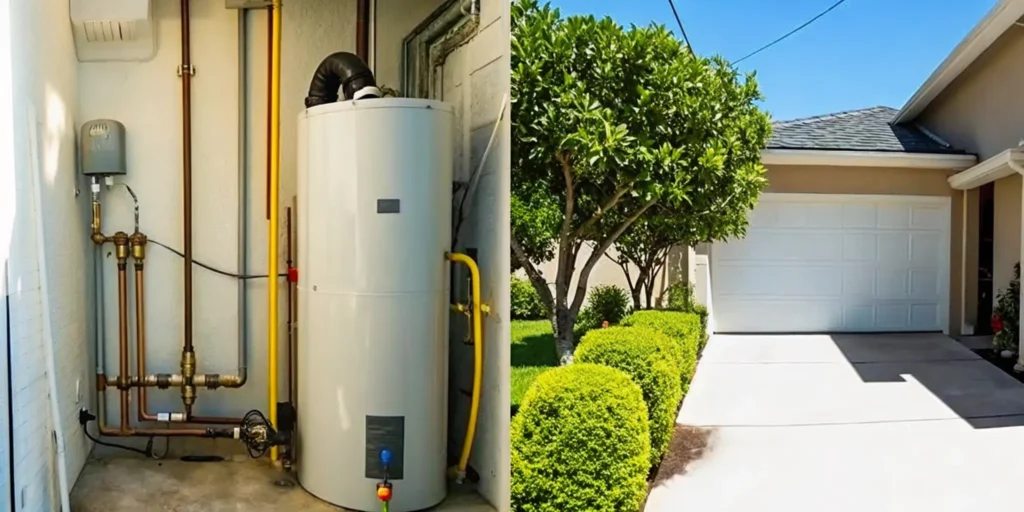
A puddle at the tank can turn a minor warning into major home damage. Changes in hot water, color, or sound often give you time to act before that happens.
Is your water heater showing warning signs? Schedule water heater service with Whiskey Creek Plumbing before a small problem becomes an emergency.
Signs water heater is failing include a leaking tank, rusty hot water, popping noises, uneven temperatures, and less hot water than your household normally gets. If you notice a leak, shut off the unit’s power or gas and close its water supply before requesting emergency service. Do not touch wet electrical equipment, relight a gas unit, or keep using a heater with soot or burn marks. Popping or cracking often points to sediment buildup, while rusty water can signal corrosion inside the tank over time. Age also matters: a standard tank-style heater averages 10 to 12 years, so repeated problems near that range can make replacement smarter than another repair.
Not every symptom means the tank is finished, but leaks, gas odors, soot, or burn marks set firm safety boundaries. Signs water heater is failing: the quick answer lays out what to watch for and which problems need prompt service. Here’s how.
Signs water heater is failing: the quick answer
The most common signs a water heater is failing are leaks, rusty hot water, odd sounds, and less hot water than usual. Frequent temperature changes, higher settings, visible corrosion, and soot near a gas unit’s vent also call for attention.
- Water collects around the tank or drips from its base.
- Hot water looks rusty or discolored, while cold water stays clear.
- The unit pops, cracks, rumbles, or makes sounds it did not make before.
- Showers turn cold sooner, or the water temperature changes without warning.
- Rust, deposits, soot, or burn marks appear on or near the unit.
The clearest warning signs
A leaking tank is the most urgent warning because escaping water can damage nearby floors, walls, and belongings. The Minnesota Department of Commerce water heater guide notes that tanks often get replaced only after they fail and begin leaking.
Noisy operation also deserves attention. The same guide links popping or cracking sounds with sediment buildup inside the tank. Soot or burn marks near an atmospheric unit’s vent hood may point to dangerous backdrafting.
What each symptom can mean
One symptom does not always mean the whole unit has failed. A loose connection may cause a small drip, while heavy hot-water use can leave a sound unit temporarily cool. Still, a lasting change calls for a professional check.
Look at where and when the problem happens. Rusty water only from hot taps can point toward the water heater. Hot water that runs out sooner may reflect sediment, a failing part, or a unit that no longer meets household demand.
- Act now: water around the tank, active dripping, soot, or burn marks.
- Schedule a check soon: repeated noise, rusty hot water, weak heating, or frequent temperature swings.
- Track the change: note when it began, how often it happens, and whether it is getting worse.
Why combinations matter
Several signs appearing together make failure more likely and raise the need for prompt action. An older tank that pops, produces rusty hot water, and leaks deserves more concern than one brief temperature change.
Age adds useful context. Standard tank-style units average 10 to 12 years, though some last longer with care. When age and several warning signs line up, discuss water heater replacement services before a tank leak causes damage.
Do not wait for several symptoms when water is actively leaking or a gas unit shows soot. Use emergency plumbing services for an urgent safety concern or uncontrolled leak.
Is water around the heater an emergency?
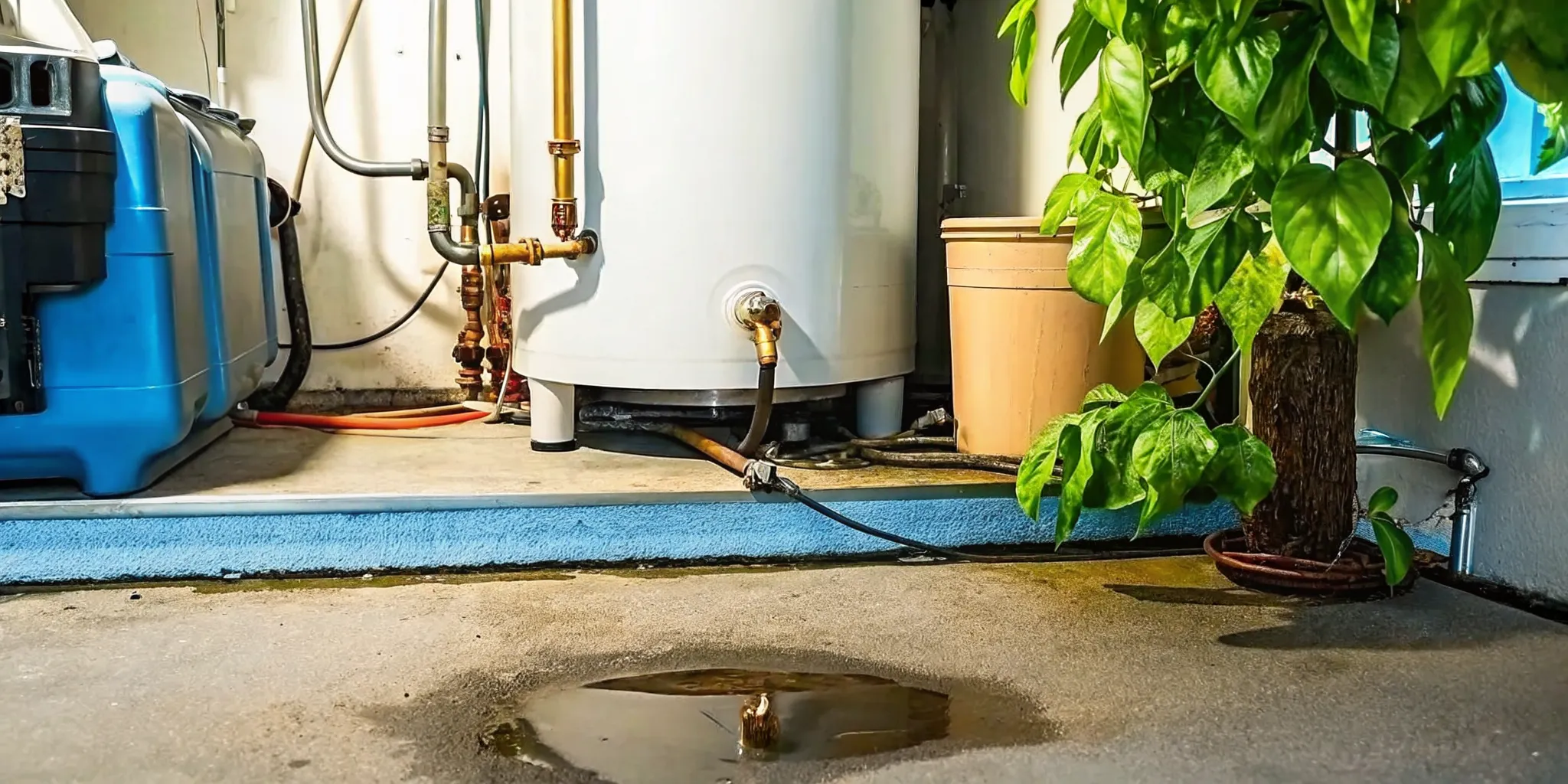
Water around a water heater is not normal, and you should never ignore it. A few drops may come from a loose fitting, while a growing puddle can point to a failed tank. Treat active flowing water, electrical contact, or a gas smell as an emergency.
Where is the water coming from?
Start by looking from a safe distance. Water near the top may come from a pipe connection, shutoff valve, or another nearby source. Moisture at the base can come from a fitting, a relief valve discharge, or the tank itself. Do not remove panels or reach through standing water to find the source.
A plumber may be able to repair a leaking fitting or valve after finding the exact fault. A leaking tank is different because the tank shell cannot be safely patched for continued use. A Minnesota Department of Commerce guide notes that many heaters are replaced after the tank fails and begins leaking, which can damage the home.
Tank leaks and corrosion clues
Water that keeps returning beneath the tank is one of the clearest signs a water heater is failing. Rust streaks, damp insulation, or corrosion around the base can add to that concern. Rust or deposits below a burner can also warn of tank trouble, but do not touch burner parts.
A small puddle can spread into nearby walls, flooring, or stored items. Move belongings only when you can do so without stepping into water near electrical equipment. Then request emergency plumbing service if the leak is active, spreading, or unsafe to approach.
Safe actions while help is coming
Keep children and pets away from the area. If water is near outlets, wiring, or the heater’s electrical parts, leave the area and call for help. If you smell gas, leave the building at once. Call the gas utility or emergency services from a safe place.
- Do not touch the heater, its controls, or a wet breaker panel.
- Do not try to seal a tank leak, open panels, or adjust the relief valve.
- If the main water shutoff is dry, easy to reach, and familiar, use it to limit further water flow.
- Take photos from a dry, safe spot for the plumber and your records.
If no electrical or gas hazard is present, stop using hot water until the unit is checked. A trained plumber can tell whether a connection needs repair or the tank needs replacement. Whiskey Creek Plumbing handles water heater repairs and replacements for tank, tankless, and hybrid units in Fort Myers and nearby communities.
What temperature problems reveal
Temperature trouble is often one of the first signs a water heater is failing. The pattern matters as much as the problem itself. Note whether every hot-water tap is affected, when the issue starts, and how long hot water lasts.
No hot water or only lukewarm water
No hot water often points to a loss of heat at the unit. An electric model may have a tripped breaker or failed heating part. A gas model may have an ignition, burner, fuel supply, or venting problem. These systems need different tests, so avoid guessing from the symptom alone.
Lukewarm water can also signal a heating part that no longer works as designed. The unit may still warm water, but it cannot reach or hold its normal setting. Check the thermostat setting, but do not keep raising it to mask the issue. State guidance notes that temperatures over 120 degrees can increase scalding risk.
Fluctuating temperatures
Water that shifts from hot to cold during use may point to an uneven heating cycle. Possible causes include a failing heating part, a thermostat fault, or sediment that affects tank performance. In some homes, a worn mixing valve or plumbing crossover may cause a similar pattern.
First, compare several fixtures. A problem at one faucet may come from that fixture rather than the water heater. If every shower and sink has the same swings, the unit or nearby plumbing is more likely involved. A plumber can test each part without replacing items that still work.
Reduced hot-water capacity
A tank may still make hot water yet run out much sooner than before. That change can point to sediment, a weak heating part, or a dip tube problem. It can also mean household demand has grown beyond the unit’s capacity. The unit’s first-hour rating shows how much hot water it can deliver in an hour.
Tankless systems can also fall short when several fixtures call for hot water at once. The U.S. Department of Energy explains that multiple tankless units can serve high-demand uses when one unit cannot keep up. This differs from a sudden loss of capacity, which may point to a fault or buildup.
Call for a professional diagnosis when the issue affects the whole home or keeps returning. Also call when leaks, strange sounds, or error codes appear. Do the same if the breaker trips again after one reset. Whiskey Creek Plumbing provides water heater repair and replacement services for tank, tankless, and hybrid units in Fort Myers and nearby areas.
Why is the water heater making unusual sounds?
A water heater is not silent, but a new or louder noise deserves attention. The sound, its timing, and its source can help separate routine operation from a possible fault. Rumbling, popping, banging, hissing, and knocking can have different causes.
What each sound may mean
Rumbling or popping often points to sediment inside a tank-style heater. Water trapped beneath the deposits heats and bubbles upward, which creates the noise. A Minnesota Department of Commerce guide says that popping or cracking can indicate sediment buildup in the tank.
Banging or knocking may come from nearby pipes rather than the heater itself. Pipes can move as hot water flows, and a sudden stop in flow can make them knock. A loose part can also rattle, so listen for where the sound starts.
Hissing needs a closer look. It may occur during normal heating, but it can also happen when water reaches a hot surface. A steady hiss paired with moisture, dripping, or a burning smell calls for prompt professional help.
Checks homeowners can make safely
Start without opening the unit. Note whether the noise begins when a hot tap opens, during heating, or after water use stops. From a safe distance, look for water on the floor, rust, soot, or signs of heat damage.
- Check whether the sound comes from the tank, pipes, or a nearby fixture.
- Note if hot water runs out sooner or changes temperature.
- Look for drips around visible pipe connections and beneath the unit.
- Keep children and pets away from a wet or damaged heater.
Do not remove access panels, touch wiring, adjust a gas burner, or open a relief valve to test a noise. Do not drain or flush the tank unless you know the correct process for that model. These steps can expose you to hot water, electricity, or gas.
When noise signals a larger problem
Noise alone does not always mean the water heater is failing. Yet repeated popping may show that deposits are affecting the tank. Sounds paired with leaks, rusty hot water, weak hot-water output, or soot deserve faster attention.
Turn the unit off only if you can follow its shutoff instructions safely. If there is a gas smell, leave the area and contact the gas utility or emergency services. For persistent sounds or any visible leak, request professional water heater repair instead of taking the unit apart.
A plumber can trace the sound, inspect the tank and connections, and decide whether maintenance or repair makes sense. If the tank is damaged or the problem keeps returning, ask about water heater replacement services and the options that fit the home.
Discolored water, odors, and corrosion
Compare the hot and cold water
Rusty, cloudy, or foul-smelling hot water deserves attention, but one odd glass does not prove the water heater is failing. Start by filling one clear glass from the cold tap and another from the hot tap. Use the same faucet and let each side run briefly before collecting the samples.
Compare the color, odor, and visible particles in good light. If only the hot sample looks or smells different, the water heater may be the source. If both samples have the same issue, the cause may lie elsewhere in the plumbing or water supply. A plumber can then trace the problem without relying on guesswork.
Check for signs around the unit
Look at the outside of the water heater without opening panels or touching pipes. Note rust streaks, damp spots, flaking metal, or crusty deposits around fittings and the tank base. The Minnesota Department of Commerce inspection guide also advises checking beneath the burner for rust or other deposits.
Visible corrosion does not show how much sound metal remains inside the tank. It does show that the unit needs a closer check. Take photos of the marks and note whether they change after normal hot-water use. This record can help a plumber judge whether repair or replacement makes sense.
Know when to stop checking
Do not taste discolored water or keep using hot water that smells unusual. Avoid draining the tank, removing covers, adjusting gas parts, or trying to scrape corrosion away. Those steps can expose you to hot water, electricity, gas, or sharp metal.
- Keep people and pets away if water is pooling near the unit.
- Leave the area if you smell gas or see soot near a gas water heater.
- Stop using the unit if corrosion appears with leaking, hissing, or burn marks.
Repeated hot-only discoloration, odor, or visible tank corrosion calls for a professional inspection. Whiskey Creek Plumbing can check the water heater and nearby plumbing to find the source. The comparison samples, photos, and notes give the plumber a useful starting point.
Should you repair or replace the water heater?
The right choice depends on the heater’s age, repair history, efficiency, and the type of failure. A small issue on a sound unit may justify repair. Repeat breakdowns, poor performance, or a leaking tank often point toward replacement.
Start with age and repair history
First, find the model and serial number on the unit’s label. These details can help a plumber confirm its age and check whether parts are still available. Standard tank-style heaters have an average life expectancy of 10 to 12 years, though care and water conditions affect service life.
Age alone does not mean a working heater must go. Yet an older unit with repeat repairs may be nearing the end of its useful life. Add up recent service calls, note which parts failed, and consider how often hot water problems disrupt the home.
Compare the condition and severity
Some signs water heater is failing come from parts that a plumber may be able to repair. These can include a bad heating element, thermostat, valve, or ignition part. The technician should also check for corrosion, sediment, venting trouble, and damage around the tank.
| Factor | Repair may fit | Replacement may fit |
|---|---|---|
| Age | Unit is younger and in sound condition | Unit is older and showing other warning signs |
| Repair history | First isolated fault | Repeat breakdowns or several worn parts |
| Hot water supply | One repair can restore normal output | Output stays poor or no longer meets demand |
| Tank condition | No tank leak or major corrosion | Tank leaks or has clear corrosion damage |
| Efficiency | Performance remains steady | Settings keep rising while hot water falls short |
A leaking tank is different from a loose fitting or a faulty valve. Once the tank itself has failed, replacement is usually the practical path. Soot or burn marks near a vent hood may signal dangerous backdrafting, so stop and call a plumber.
Look beyond the next repair
A repair can restore service without replacing a sound heater. Still, fixing one worn part may not solve aging, corrosion, poor capacity, or falling efficiency. Ask what failed, what else was inspected, and whether the repair is likely to provide dependable service.
If replacement makes more sense, proper sizing matters as much as the model type. A unit that is too small can run out of hot water. One that is too large can waste energy by heating unused water. Review household demand before choosing tank, tankless, or hybrid equipment.
A professional inspection gives homeowners a clear basis for the choice. Whiskey Creek Plumbing can explain the fault, review available options, and provide fixed pricing. Homeowners can also review its water heater replacement services before deciding how to proceed.
What to do when a water heater may be failing
Some signs your water heater is failing call for a calm, safety-first response. A serious leak, electrical danger, or gas odor should never become a do-it-yourself repair. Follow this order, and keep people away from the unit while you assess the risk.
Immediate safety steps
-
Move people away from danger. Keep children and pets out of the area. Do not step into standing water near an electric water heater, wiring, outlets, or the electrical panel.
-
Leave immediately if you smell gas. Do not use lights, switches, phones, flames, or appliances inside the building. Once everyone is outdoors and away from the odor, call 911 or your gas utility’s emergency line.
-
Limit a serious leak only when it is safe. If the path and electrical panel are dry, switch off power to an electric unit. Do not touch the unit, panel, or nearby controls when water creates an electrical risk.
-
Call for professional help. A leaking tank can damage nearby furnishings and the building, according to this state water heater guide. For active flooding or an unsafe unit, request emergency plumbing services and explain what you see or smell.
-
Wait for an inspection. Do not relight a pilot, reset a breaker, open panels, drain the tank, or attempt repairs. Keep the area clear until the utility, emergency crew, or plumber says it is safe.
When hot water stops
A loss of hot water without a leak, gas odor, smoke, sparks, or burning smell is less urgent. Check whether other fixtures have the same problem, then note any odd sounds or discolored water. Do not keep raising the temperature or repeatedly resetting a breaker.
Call a plumber if the problem continues or returns. Share the unit type, its rough age, and the warning signs you noticed. This information helps the plumber decide whether testing, repair, or replacement is the right next step.
What to tell the plumber
Clear details help the plumber plan a safe visit. From a safe distance, note where water appears, when hot water stopped, and whether you heard popping or cracking. Also report any soot or burn marks, but do not move closer to inspect them.
Photos can help only when the area is dry and there is no gas odor or electrical danger. Whiskey Creek Plumbing handles tank, tankless, and hybrid units through its water heater services. Never delay an emergency call to gather photos, model numbers, or other details.
How professional service helps prevent a surprise failure
A professional water heater inspection can reveal leaks, corrosion, venting concerns, and performance changes before they become a surprise failure. It gives homeowners time to compare repair and replacement options and plan the next step safely.
What a service visit can catch
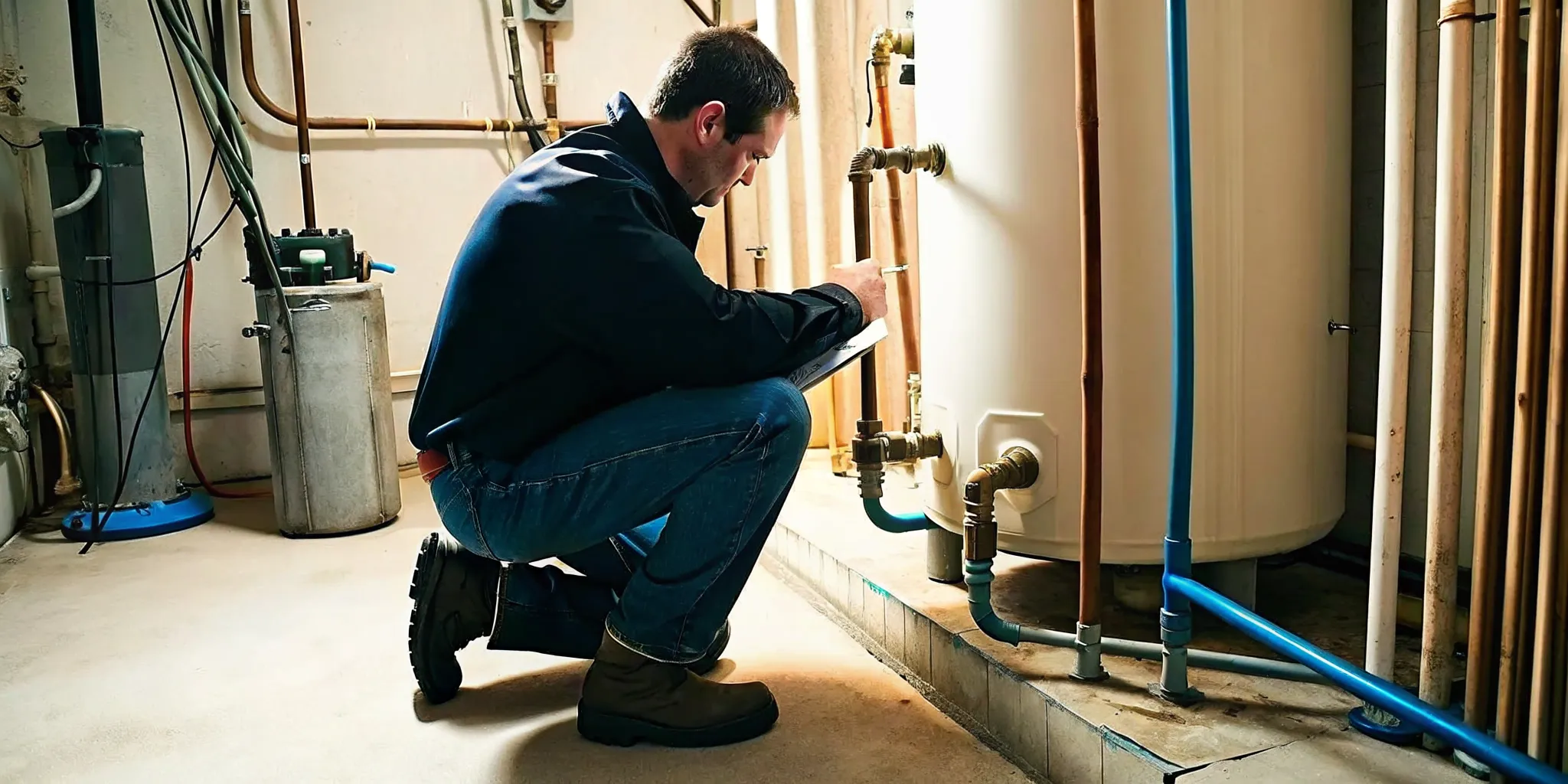
A plumber can review how the unit heats, sounds, vents, and handles your normal hot water demand. Popping or cracking noises may point to sediment buildup inside a tank. Rust or deposits under the burner may also warn of corrosion or tank trouble. A state water heater guide lists both conditions among signs worth checking.
The visit also gives you a chance to explain changes that may not appear during a quick test. Mention less hot water, a rising temperature setting, odd sounds, discolored water, or moisture near the base. These details help the plumber look past the symptom and find its likely source.
A simple inspection habit
Look at the area around your water heater from time to time. Keep stored items away so you can spot moisture, rust, or other changes without moving clutter. Listen when the burner or heating cycle starts, and note any new popping or cracking sounds.
- Check the floor and nearby walls for moisture.
- Watch for changes in hot water supply or color.
- Note new sounds, odors, soot, or burn marks.
- Keep the unit area clear and easy to inspect.
Do not remove covers or try to repair gas, electric, or vent parts yourself. Soot or burn marks near an atmospheric unit’s vent hood may signal dangerous backdrafting. If you find them, stop using the unit and arrange a professional check.
When to plan service or replacement
Age matters, but it is not the only factor. Standard tank water heaters have an average life expectancy of 10 to 12 years. Some last longer, while leaks, corrosion, or poor heating can make earlier replacement the safer choice.
Whiskey Creek Plumbing offers water heater services for Fort Myers and nearby Lee County homes. Its plumbers repair and install tank, tankless, and hybrid models. Homeowners planning ahead can also read what to know before buying a water heater and the guide to water heater installation costs. A professional can explain the current unit’s condition and discuss practical options with fixed pricing.
Schedule service soon when several signs water heater is failing appear together. If the tank begins leaking, act at once to limit damage. Use emergency plumbing services when prompt help is needed.
Frequently Asked Questions
How do I know if my water heater needs to be replaced?
Replacement may be appropriate when the tank leaks, corrosion is visible, or several problems keep returning after repairs. Age adds context but does not decide the issue alone. Standard tank-style heaters average 10 to 12 years of service. Ask a plumber to compare the tank’s condition, repair history, performance, and expected repair cost before deciding.
Why is my water heater leaking at the base?
Water at the base may come from a loose connection, a relief valve discharge, condensation, or a leaking tank. A plumber must identify the source because a failed tank generally requires replacement. Keep people away from standing water near electrical equipment. If water is actively flowing or spreading, request emergency service and avoid touching the heater or wet controls.
Is it normal for a water heater to make popping noises?
Occasional operating sounds can be normal, but repeated or growing popping noises deserve a professional check. Popping or cracking often indicates sediment buildup inside the tank. Note when the sound occurs and whether hot water output has changed. Do not open panels, drain the tank, or adjust gas parts to investigate the noise yourself.
Does rusty or discolored water mean the water heater is failing?
Rusty hot water can point to corrosion inside the water heater, but discoloration does not always prove tank failure. Compare clear samples from the hot and cold sides of the same faucet. If only the hot sample is discolored, the heater may be involved. Stop using unusually colored or foul-smelling hot water and arrange an inspection, especially if leaks or visible corrosion are also present.
Ready to Schedule Your Water Heater Service?
Waiting after you notice warning signs can turn a manageable water heater issue into a sudden loss of hot water. Leaks, unusual sounds, and unreliable temperatures rarely become easier to handle when they are ignored. Starting now gives a plumber time to assess the unit, explain your options, and help you plan the next step.
Ready to avoid a rushed decision and restore dependable hot water? Call (239) 785-9022 to schedule water heater service with Whiskey Creek Plumbing. Acting today can help you choose a practical repair or replacement path before the problem disrupts your household. You will know what comes next and can make the decision on your timeline instead of during an urgent plumbing problem.
