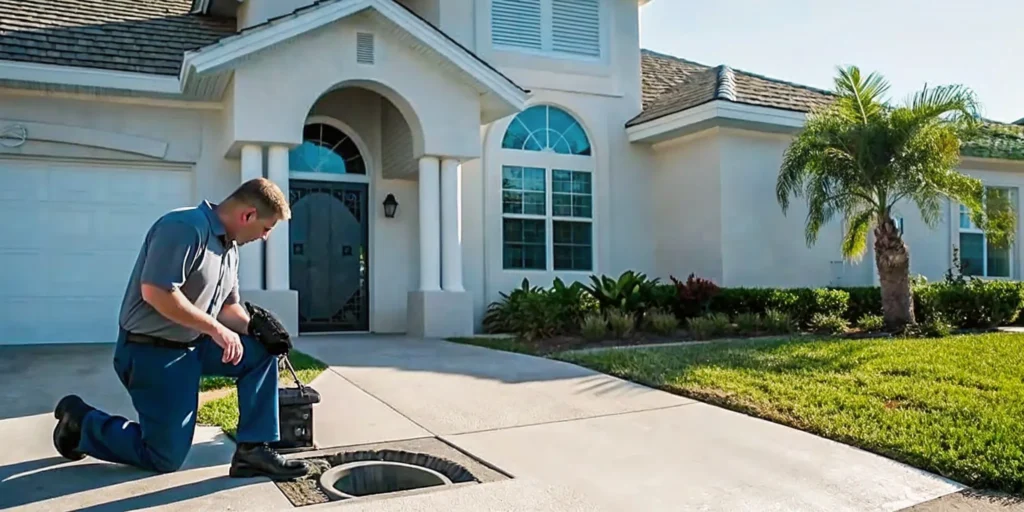
Several slow drains at once can signal trouble beyond a simple clog. Catching that warning early can help Fort Myers homeowners prevent sewage backups and damage around the home.
Sewer line repair in Fort Myers FL may be needed when several drains slow at once, toilets gurgle, sewage odors linger, or wastewater backs up. If only one fixture is slow, the trouble may be local; several affected fixtures suggest the home’s main sewer line needs prompt attention. The EPA lists water and sewage backing up into home plumbing as a major warning of system failure. Other clues include floor-drain overflow, sewage outside, recurring clogs, unusually green grass, soggy yard areas, and strong odors near plumbing fixtures. A professional video inspection can locate the blockage or damage, then show whether cleaning, sewer line repair, or full replacement is the right response.
The key question is whether you are seeing an isolated clog or the early signs of a main-line failure. Sewer line repair in Fort Myers FL starts with the right warning signs, which is the focus of the next section. Here’s how.
Sewer line repair in Fort Myers FL starts with the right warning signs
A clogged sink may point to a small problem near that fixture. Trouble across several drains often points deeper into the home’s main sewer line. Watch how many fixtures are affected, when symptoms appear, and whether they return after cleaning.
Signs that affect more than one drain
Several slow drains at once deserve attention, especially when they sit in different rooms. A slow shower alone may have hair in its trap. A slow shower, toilet, and kitchen sink together suggest that wastewater is meeting resistance farther down the system. The CDC lists slow sinks and toilets among signs that an onsite wastewater system may not work properly.
- Multiple sinks, tubs, or showers drain more slowly than usual.
- A toilet bubbles when someone runs a nearby sink or washing machine.
- Water rises in a tub or floor drain after another fixture empties.
- Several drains release a foul sewage odor.
Listen for gurgling after water goes down a drain. The sound can mean trapped air is moving around a blockage. Odors from several drains can also signal a shared line issue. If only one fixture smells or drains slowly, start by checking that fixture’s trap and branch drain.
Backups that demand quick action
A sewage backup is more urgent than a slow drain. Stop using water when waste rises through a toilet, tub, or floor drain. Continued flushing, washing, or showering can send more wastewater into the home. The EPA identifies sewage backing up into household plumbing as a major sign of system failure.
A low fixture often shows the problem first because wastewater follows the easiest path out. Check ground-floor tubs, showers, and floor drains after a backup. Avoid contact with sewage, and keep children and pets away from the affected area.
Symptoms that return after drain clearing
A cleared drain should stay open when the issue was a simple local clog. If backups, gurgling, or slow flow return soon, the first clearing may not have fixed the source. A damaged pipe or stubborn main-line blockage may need a closer look.
Note which fixtures act up and what was running at the time. This record helps a plumber trace the shared path and choose the right test. A video inspection can show whether the line needs cleaning or professional sewer line repair. It also helps avoid guessing based on symptoms alone.
The key difference is the pattern. One slow drain usually suggests a local clog. Several affected fixtures, recurring trouble, or sewage entering the home can point to a main-line problem.
What unusual yard symptoms can reveal a sewer problem?
A sewer line problem may first appear outdoors, far from a slow sink or backed-up toilet. Watch for a new pattern that stays in one area of the yard. One odd patch does not prove that a pipe failed. Still, several signs near the same path call for a closer look.
Soggy soil and greener grass
A soft or soggy strip can suggest that water is escaping below ground. Check whether the spot remains wet when nearby soil has dried. After rain, give the whole yard time to drain before judging the area. This simple comparison helps separate a lasting symptom from normal wet weather.
Grass growing faster, thicker, or greener in one narrow patch can also mark an underground leak. The pattern matters more than color alone. Compare it with irrigation zones, shaded areas, and recent lawn work. If wet soil and unusual growth overlap, keep people and pets away until the source is known.
Depressions and sudden holes
A shallow dip may form when soil shifts or washes into space around a damaged pipe. Mark the edge and check whether it spreads. Do not step into a sudden hole or try to fill it first. A deeper void may be hidden beneath the grass.
Small depressions can have many causes, including settling or yard work. That is why the yard sign should be checked against indoor symptoms. Slow drains, gurgling fixtures, or repeated backups make an underground sewer issue more likely. A plumber can use a camera to locate the fault without guessing.
Odors and safe next steps
A sewage odor outdoors is another warning, even when no wastewater is visible. Walk the yard from a safe distance and note where the smell is strongest. The CDC lists visible sewage outside as a sign that an onsite wastewater system is not working properly.
- Keep children and pets away from wet spots, dips, and holes.
- Avoid touching any water that may contain sewage.
- Stop adding water through fixtures if a backup also appears indoors.
- Note recent rain, irrigation use, odors, and changes in the ground.
- Arrange a camera inspection before approving excavation or repair.
For sewer line repair in Fort Myers, FL, an inspection should come before choosing a repair method. Whiskey Creek Plumbing explains how camera findings guide professional sewer line repair. The inspection can show whether a blockage, break, or another fault caused the yard symptoms.
Is it a clogged drain or a damaged sewer line?
One fixture or several?
A slow sink or shower often points to a clog near that fixture. If nearby fixtures work well, the problem may stay within one drain branch. A plunger may change how that single drain moves, but avoid taking pipes apart when sewage is present.
A main sewer line problem tends to affect more than one low drain or toilet. The CDC lists slow sinks, slow toilets, and overflowing floor drains as warning signs of a failing wastewater system. Watch for a pattern rather than relying on one slow drain.
| What you observe. | Localized drain clog. | Possible main sewer line problem. |
|---|---|---|
| Fixtures affected. | Usually one sink, tub, or toilet. | Several drains or toilets. |
| Where water returns. | Stays near the problem fixture. | Appears at a low drain or nearby fixture. |
| When symptoms appear. | During use of one fixture. | When another fixture sends water. |
| Outdoor signs. | No related change outdoors. | Possible wastewater or wet area. |
| Safe next move. | Stop using that fixture and arrange drain service. | Stop water use and request an inspection. |
Safe checks from inside the home
First, stop running the fixture that drained slowly. Without adding more water, note whether a toilet bubbles or water rises in a shower. Also check the lowest floor drain from a safe distance. These clues can show whether the issue reaches beyond one branch.
Do not keep flushing toilets to test the line. Avoid chemical drain cleaners and do not open a cleanout cap. A backed-up line can release wastewater when opened. A plumber can use a camera to find the blockage or damage before recommending professional sewer line repair.
When to stop using water
Stop all water use when sewage backs up, a floor drain overflows, or several fixtures react at once. That means pausing showers, laundry, dishwashing, flushing, and sink use. Ask everyone in the home to follow the same rule until the line is checked.
Keep children and pets away from the affected area. Do not touch wastewater or try to clean it without proper protection. The EPA identifies sewage backing into toilets, drains, or sinks as a major system failure sign. Prompt inspection can separate a removable clog from a cracked, shifted, or collapsed pipe.
What happens during a professional sewer line inspection?
A professional inspection follows a clear process, from reviewing symptoms to explaining the best next step. The goal is to find the cause and location of the problem. An inspection does not mean the sewer line needs replacement.
Symptom review and drain checks
The plumber first asks when the issue began, which fixtures are affected, and whether the problem keeps returning. These details help separate a local drain clog from a main sewer line issue. The CDC lists slow-draining sinks and toilets as signs that an onsite wastewater system may not work properly.
A plumber may also check for odors, wet soil, and signs of wastewater near the property. Inside, the plumber can test several fixtures and note unusual sounds. This early check helps set the camera inspection path.
-
Review the symptoms. The plumber asks about slow drains, odors, backups, wet areas, and recent plumbing work. A clear history helps guide the inspection.
-
Test the affected drains. The plumber checks fixtures and watches how water moves through the system. Testing several drains can show whether the issue is isolated or widespread.
-
Find a safe access point. The plumber locates a cleanout or another suitable entry to the sewer line. This access lets the camera enter the pipe without needless damage.
-
Inspect the line with a camera. A flexible camera moves through the pipe while the plumber reviews the live view. The footage can reveal a blockage, damaged section, or other concern.
-
Review the findings. The plumber explains what appeared on camera and where it appeared. You should also learn which repair choices fit the finding and why.
How camera results guide the next step
Camera footage helps the plumber recommend a response that matches the problem. A removable blockage may call for cleaning instead of pipe replacement. Damage may require professional sewer line repair, but the repair scope should reflect the affected area.
The plumber may also discuss whether access, pipe condition, and the location of damage affect the available methods. In some cases, trenchless sewer repair options can address serious damage without digging up the whole yard. Other cases may need a targeted repair or further testing.
Questions to ask after the inspection
Ask to see the footage and have the plumber point out the concern. Confirm whether the finding is a clog, break, offset, or another issue. Ask which options solve the cause instead of only easing the symptom. For sewer line repair in Fort Myers, FL, request a clear scope and fixed price before work begins.
Common sewer line problems and repair options
What an inspection may find
A sewer camera inspection shows the line from inside. This helps a plumber match the repair to the actual problem. The footage may reveal a blockage, roots entering a joint, an offset connection, cracks, corrosion, or a low spot called a belly.
Each finding means something different. A blockage restricts flow, while roots can return if an opening remains in the pipe. Offsets, cracks, and corrosion point to physical damage. A belly holds waste and water because part of the line has sunk.
Inspection matters because several problems can cause similar warning signs. The CDC notes that regular inspection helps ensure proper wastewater system function. Camera footage can show whether cleaning may restore flow or whether damaged pipe needs repair.
Cleaning and targeted repairs
Cleaning may be the right first step when the pipe is intact but grease, debris, or soft buildup blocks flow. A plumber may use a drain machine or hydro jetting based on the material and condition. Whiskey Creek Plumbing explains how drain cleaning can clear severe blockages and debris.
- Cleaning: Clears material from an intact line but does not seal cracks, offsets, or open joints.
- Spot repair: Replaces or repairs one damaged area when the rest of the line remains sound.
- Traditional repair: Exposes the pipe through digging, giving direct access to damaged or collapsed sections.
- Trenchless repair or replacement: Uses access points to line or replace a suitable pipe with less digging.
Root removal can reopen a blocked line, but it may not solve the entry point. If roots entered through a failed joint or crack, that damage may also need repair. The same rule applies after cleaning: restored flow does not always mean the pipe is sound.
Choosing between traditional and trenchless work
The best repair depends on the camera findings, pipe material, depth, access, and the length of damaged line. A small isolated crack may allow spot repair. Broad corrosion, several offsets, a severe belly, or collapse may call for more extensive work.
Traditional excavation may be needed when crews must reach a badly shifted, crushed, or sunken section. It also lets the plumber correct the pipe’s grade when a belly prevents proper flow. The tradeoff is more digging around the line.
Trenchless methods can reduce digging when the existing route and pipe condition make them a good fit. Pipe lining and pipe bursting are two possible approaches, but neither works for every finding. A severe belly or collapsed path may still require excavation.
For sewer line repair in Fort Myers, FL, ask the plumber to explain the footage and each reasonable option. The scope should state what will be cleaned, repaired, or replaced. You can also review trenchless sewer repair options before discussing whether one fits the inspected line.
When should you schedule sewer service?
Signs that need an urgent call
Call for urgent sewer service when wastewater backs up into a sink, shower, tub, toilet, or floor drain. The EPA lists sewage backing up into household plumbing as a major sign of system failure. Sewage visible outdoors also calls for quick action.
Stop using water when a backup appears. Do not flush toilets, run appliances, or send more water down any drain. Keep children and pets away from the affected space. Avoid touching wastewater, since it may carry germs that can make people sick.
- Stop showers, laundry, dishwashing, and toilet use.
- Move people and pets away from sewage.
- Do not open a cleanout or enter a flooded area.
- Call a plumber and explain where the backup appeared.
Problems that can wait for a scheduled visit
Some warning signs are not active emergencies, but they still deserve a prompt appointment. Watch for several slow drains, frequent clogs, sewer odors, or gurgling sounds. A single slow sink may have a local clog. Slow flow across several fixtures may point to a problem farther down the system.
Also note damp soil, an unusual odor outdoors, or a patch of grass that changes without a clear cause. Share each detail when scheduling professional sewer line repair in Fort Myers. These clues help the plumber plan the right checks before work starts.
Do not wait for a small warning to become an indoor backup. Early diagnosis gives you time to review the cause and choose a practical repair plan. It may also limit disruption by finding the problem before conditions get worse.
Why repeated DIY clearing falls short
A plunger or drain snake may restore flow for a short time. That result does not show why the clog formed or whether the pipe is damaged. Repeated clearing can hide a pattern while the same issue returns.
Track which fixtures slow down, when the problem starts, and how often it returns. Avoid adding more drain cleaner when the cause is unknown. Instead, ask for a sewer evaluation that can check the full line and locate the trouble.
A video inspection can help show whether the line needs cleaning, repair, or replacement. If replacement is needed, ask whether trenchless sewer repair options fit the pipe and site. The right choice depends on the condition and location of the damaged line.
Frequently Asked Questions
What causes sewer line damage in Fort Myers, FL?
Common causes include tree root intrusion, aging or corroded pipes, shifting soil, and grease or debris buildup. Heavy rain can also saturate the ground and affect wastewater systems. The CDC recommends regular inspection to help keep these systems working properly. A video inspection can identify the specific cause before repairs begin.
How do you know if your sewer line is broken?
A broken sewer line cannot be confirmed from one symptom alone. Repeated drain backups, sewage odors, wet yard areas, and several slow fixtures can indicate a serious problem. The EPA identifies sewage backing up into home plumbing as a major warning sign. A professional video inspection can distinguish pipe damage from a removable blockage.
What is trenchless sewer repair?
Trenchless sewer repair fixes or replaces a damaged sewer line with far less digging than traditional excavation. Depending on the pipe’s condition, a plumber may install a new lining or use pipe bursting to replace the line. Whiskey Creek Plumbing offers pipe lining and pipe bursting, which can avoid excavating large sections of the yard.
How often should you have your sewer line inspected?
There is no single inspection schedule that fits every property. Consider an inspection when several drains slow down, backups return, sewage odors appear, or the yard develops unexplained wet areas. An inspection is also useful before buying an older home or after major ground movement. Regular checks can find corrosion, root intrusion, or developing blockages before they cause a larger failure.
Ready to Address Your Sewer Line Concerns?
Ignoring recurring drain trouble can allow a manageable concern to disrupt more fixtures, limit repair options, and create stress when you least expect it. Starting now gives a plumber time to inspect the sewer line, explain what is happening, and help you choose the next step before conditions worsen. An early appointment also lets you plan around your schedule, protect your property, and avoid making rushed decisions during a messy plumbing backup.
Ready to get clear answers about your sewer line? Contact Whiskey Creek Plumbing today to schedule a sewer line inspection and request a straightforward plan for addressing the source of the problem. Take the first step while you still have time to review your options and prepare for any recommended work.