Here in Fort Myers, our homes deal with unique challenges, and our plumbing is no exception. From hard water buildup that can narrow pipes over time to the occasional toy taking an unexpected swim, there are many reasons you might be facing a clogged toilet. As a local, family-run business, we’ve seen it all. That’s why we’ve put together this practical guide to help our neighbors tackle this common issue. We’ll walk you through safe and effective DIY solutions to get your toilet flushing freely again. We’ll also help you recognize when a recurring ‘plumbing clogged toilet’ problem points to something more serious, ensuring you know exactly when it’s time to call for professional help.
Key Takeaways
- Practice Prevention and Know Your First Aid: Keep your toilet healthy by only flushing human waste and toilet paper. If water starts to rise, immediately stop a potential overflow by closing the flapper inside the tank and then turning off the water supply valve.
- Master Basic DIY Fixes: A flange plunger is your best friend for most clogs because it creates the necessary seal. For a gentler approach, try the dish soap and hot water trick, but always steer clear of harsh chemical drain cleaners that can damage your pipes.
- Recognize the Signs of a Deeper Problem: Don’t ignore major warning signs like recurring clogs, gurgling noises, or water backing up in other drains. These symptoms point to a larger issue, often in your main sewer line, that requires professional tools and expertise to resolve.
What Causes a Clogged Toilet?
A clogged toilet is one of those household problems that can instantly ruin your day. While your first instinct might be to reach for the plunger, understanding what caused the clog in the first place is the key to preventing it from happening again. Most clogs are caused by simple, everyday habits that are easy to change, like using too much toilet paper or flushing things you shouldn’t. These are usually easy to fix on your own with a little know-how.
However, some clogs can signal a more serious issue with your plumbing system, like mineral buildup in your pipes or even tree roots invading your sewer line. Knowing the difference can save you a lot of time, stress, and potential water damage. A recurring clog, for instance, is often a sign that the blockage is further down the line than a plunger can reach. Let’s walk through the most common culprits, from the simple to the severe. This will help you diagnose your current problem and figure out how to keep your drains flowing freely in the future.
Using Too Much Toilet Paper
We’ve all been there; you use a little extra toilet paper just to be safe. But using too much in a single flush is one of the top reasons toilets get clogged. Your toilet and pipes are designed to handle a certain amount of waste and paper at once. When you send a large wad down, it can struggle to dissolve quickly and get stuck in the S-trap or further down the drain line. It’s better to use less paper per wipe and flush more than once if you need to, rather than trying to force a giant bundle down the drain.
Flushing Non-Flushable Items
Your toilet is not a trash can. The only things that should ever be flushed are human waste and toilet paper, period. Many products marketed as “flushable,” like wet wipes and feminine hygiene products, do not break down the way toilet paper does. These items can snag in your pipes and create a stubborn blockage over time. Other common offenders include paper towels, cotton swabs, dental floss, and tissues. Keep a small trash bin in your bathroom to make it easy to dispose of these items properly and save yourself a major plumbing headache.
Dropping Foreign Objects Down the Drain
If you have small children, you already know that anything and everything can become a toy, including the toilet. Small toys, hair accessories, bottle caps, and even toothbrushes can accidentally find their way into the bowl and get flushed. These solid objects will almost certainly get stuck in the narrow pipes, creating an immediate and difficult-to-remove clog. It’s a good idea to keep the toilet lid closed when it’s not in use, especially in households with curious kids, to prevent accidental drops and the plumbing emergency that follows.
Dealing with Hard Water Buildup
This is a sneaky cause of clogs that you can’t see. Here in Florida, we have hard water, which is full of minerals like calcium and magnesium. Over the years, these minerals can build up on the inside of your pipes, creating a rough, scaled surface. This buildup narrows the diameter of the pipes, making it much easier for waste and toilet paper to get caught and form a clog. If you notice your drains are slowing down all over the house, hard water could be the problem. Investing in water treatment solutions can help protect your pipes from future buildup.
When Tree Roots Invade Your Pipes
Sometimes, the problem isn’t inside your house at all. Tree roots are naturally drawn to the moisture and nutrients in your sewer lines. They can work their way into tiny cracks in the pipes, growing larger over time until they create a massive, tangled blockage. If you’re experiencing recurring clogs, gurgling sounds from your drains, or slow drainage in multiple fixtures, you might be dealing with root intrusion. These types of sewer line issues require professional equipment to diagnose and clear, as they can cause serious damage to your plumbing system if left untreated.
First Things First: Stop the Overflow
Okay, the water in the toilet bowl is rising, and a little bit of panic is setting in. We’ve all been there. Before you grab a plunger or start worrying about a major plumbing disaster, your first job is to stop the water. Preventing an overflow is priority number one, and thankfully, it’s something you can do in seconds. A little quick thinking now can save you from a huge, messy cleanup and potential water damage later. As a family-run business that has seen it all, we know that staying calm and acting fast is the key to managing any plumbing hiccup.
This immediate response is crucial because it contains the problem before it gets worse. Once you stop the flow, you can assess the situation without the threat of water spilling onto your bathroom floor and causing damage to your subfloor or ceiling below. It’s the difference between a simple clog and a much more complicated repair. We’re going to walk through two simple actions you can take right away to get the situation under control. First, you’ll stop the water inside the tank, and then you’ll cut off the main supply line to the toilet. Mastering these two steps will give you the breathing room you need to tackle the clog itself.
Close the Flapper Valve
The fastest way to stop a potential overflow is to prevent the water in the tank from rushing into the bowl. Don’t be afraid to get your hands a little wet for this one. Quickly lift the lid off the toilet tank and set it aside carefully. Inside, you’ll see a rubber disc or ball at the bottom, which is the flapper valve. Simply reach in and press the flapper down firmly over the drain hole. This action creates a seal and immediately stops water from refilling the bowl, giving you a critical few moments to turn off the main water supply.
Shut Off the Water Supply
With the flapper held down or after the water level has stabilized, your next move is to cut off the water supply completely. Look for a small, oval-shaped handle or knob on the wall behind or near the base of your toilet. This is the shut-off valve. Turn the valve clockwise (remember: righty-tighty) until it stops. This will stop any new water from entering the tank, so you can let go of the flapper. Now, the threat of an overflow is gone, and you can safely move on to diagnosing and clearing the clog without any more water getting in your way.
Your Toilet-Unclogging Toolkit
A clogged toilet always seems to happen at the worst possible moment. Instead of panicking, you can feel prepared by having a simple toolkit ready to go. Having these items on hand can turn a major headache into a minor, fixable inconvenience. Most of the time, a simple clog is something you can handle yourself with the right equipment. If these tools don’t do the trick, it might be a sign of a deeper issue that requires professional plumbing services. Keeping these essentials in your home means you’re always ready to tackle the problem head-on.
Flange Plunger
Forget the classic red cup plunger you see in cartoons; for a toilet, you need a flange plunger. This type has an extra flap of rubber, the flange, that folds out from the bottom. This design is crucial because it creates a tight seal against the curved drain opening in your toilet bowl. A good seal is everything here. To use it, make sure the flange is extended and fits snugly into the drain. Push down gently for the first plunge to release any trapped air, then begin plunging vigorously. The pressure you create is what forces the blockage through the pipes, clearing the way.
Toilet Auger (Plumbing Snake)
When a plunger just isn’t cutting it, it’s time to bring in a toilet auger, also known as a plumbing snake. This tool is specifically designed for toilets, featuring a long, flexible cable that can reach clogs deep within the pipe. Unlike a standard drain snake, a toilet auger has a protective rubber sleeve to prevent the metal cable from scratching or cracking your porcelain bowl. You simply feed the cable into the drain until you feel resistance, then turn the handle to break up the clog or hook onto it to pull it out. It’s the perfect next step for stubborn blockages that are just out of a plunger’s reach.
Dish Soap and Hot Water
For a less aggressive approach, especially if you suspect the clog is from organic material, try this simple trick. Start by pouring about half a cup of liquid dish soap into the toilet bowl and let it sit for 20 to 30 minutes. The soap is slick and helps lubricate the clog and the pipes, making it easier for the blockage to move. Next, pour a gallon of very hot, but not boiling, water into the bowl from about waist height. The heat and force of the water, combined with the slippery soap, can often be enough to dislodge the blockage and send it on its way without any plunging required.
Baking Soda and Vinegar
If you prefer a natural, chemical-free solution, look no further than your kitchen pantry. The combination of baking soda and vinegar creates a fizzing reaction that can help break down and dissolve minor clogs. First, pour one cup of baking soda directly into the toilet bowl. Follow that by slowly pouring two cups of plain white vinegar. The mixture will bubble up immediately, so pour the vinegar slowly to avoid an overflow. Let it work its magic for about 30 minutes before trying to flush. This method is a great, gentle first step, especially for slow-draining toilets that haven’t completely stopped up yet.
Rubber Gloves and Old Towels
This last one might seem obvious, but in the heat of the moment, it’s easy to forget. Before you start any unclogging attempt, protect yourself and your bathroom. A sturdy pair of rubber gloves will keep your hands clean and protected from germs. It’s also smart to lay old towels or newspapers around the base of the toilet. This simple prep step will catch any splashes or spills, saving you from a bigger cleanup job later. Having these items ready makes the whole process a lot less stressful and ensures that once the clog is gone, your work is truly done.
5 DIY Methods to Unclog Your Toilet
When your toilet clogs, your first instinct might be to panic. But before you pick up the phone, take a deep breath. Many common clogs can be cleared with a few simple tools and household items you probably already have. These five DIY methods are your first line of defense against a stubborn toilet. They’re straightforward, effective for minor issues, and can save you the immediate stress of a plumbing emergency. From using a plunger the right way to trying a simple dish soap trick, we’ll walk you through each step so you can feel confident handling the situation.
Remember, these solutions are best for minor blockages caused by things like too much toilet paper. If you try a few methods without success or find yourself dealing with recurring clogs, it might be a sign of a deeper issue in your pipes. Persistent problems can point to anything from a blockage further down the sewer line to issues with your main drain. In that case, a professional plumber can provide the right plumbing services to diagnose and fix the root cause, getting things flowing smoothly again. For now, let’s roll up our sleeves and tackle that clog.
Method 1: Use a Plunger (The Right Way)
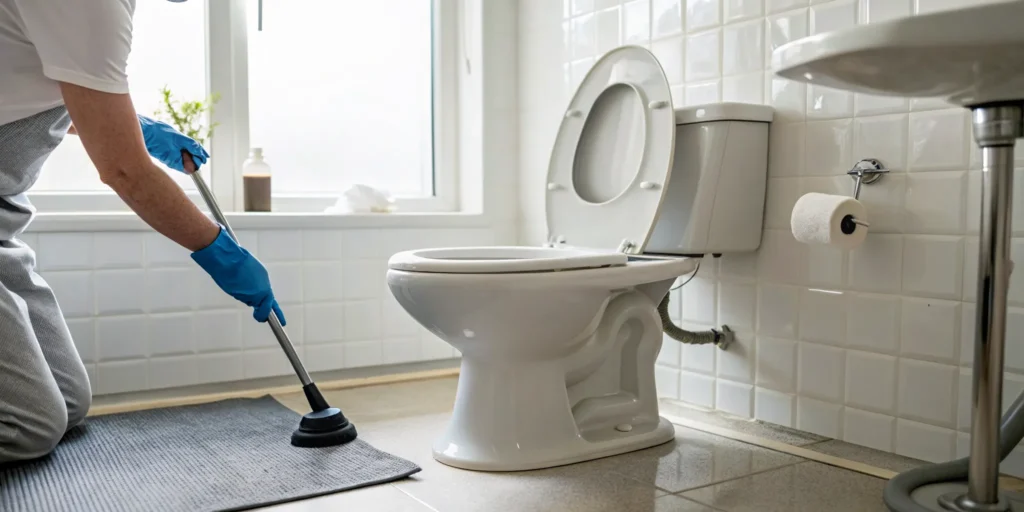
The plunger is a classic for a reason, but using it correctly is key. First, make sure you have a flange plunger (the kind with a smaller cup that extends from the bottom), as it’s designed to create a better seal in a toilet bowl. Place the plunger in the bowl and press down gently to form a tight seal over the drain opening. The first push should be soft; this expels air without splashing water everywhere.
After that, begin plunging vigorously in and out, maintaining the seal. The goal is to use water pressure to dislodge the clog, not just air. Alternate between steady and strong pushes for about 20 seconds. If the water level drops, you’ve likely cleared it.
Method 2: Try Dish Soap and Hot Water
If you don’t have a plunger or the thought of using one makes you squeamish, this method is a great alternative. The slickness of the dish soap helps lubricate the clog and the pipe, encouraging the blockage to slide down. Start by pouring about a half-cup of liquid dish soap into the toilet bowl. Let it sit for 15 to 20 minutes to allow the soap to sink and coat the clog.
Next, pour a gallon of very hot (but not boiling) water into the bowl from waist height. The heat helps break down waste, and the force of the water can help push everything through. Let it sit for another 20 to 30 minutes before you try flushing.
Method 3: Mix Baking Soda and Vinegar
This fizzy combination is a natural and effective way to break down organic blockages. Start by pouring one cup of baking soda directly into the toilet bowl. Follow it up by slowly and carefully pouring two cups of white vinegar into the bowl. The mixture will immediately start to fizz and bubble, so pour slowly to prevent it from overflowing.
Let this chemical reaction work its magic for about 30 minutes. The fizzing action helps break apart the debris causing the clog. To finish, pour a bucket of hot water into the bowl to help flush the loosened material down the drain. Then, give the toilet a flush to see if the clog has cleared.
Method 4: Break It Up with a Toilet Auger
When a plunger just won’t cut it, a toilet auger (also called a plumbing snake) is the next tool to try. This flexible tool can reach further into the drain to break up or pull out a tough obstruction. Gently insert the end of the auger into the toilet drain, making sure the protective rubber sleeve rests against the porcelain to prevent scratches.
Crank the handle clockwise while feeding the cable down the drain until you feel resistance. This means you’ve hit the clog. Continue to turn the handle to either break the clog apart or hook onto it. If you feel you’ve hooked it, gently pull the auger back out. For stubborn blockages that even an auger can’t fix, you may need professional drain cleaning.
Method 5: Create a Makeshift Wire Hanger Snake
If you’re in a bind without an auger, you can create a temporary one from a wire coat hanger. This method requires extra caution, as the wire can easily scratch your toilet bowl. Unwind the hanger until it’s straight, and wrap a small rag around the end you’ll be inserting into the drain, securing it with duct tape. This helps protect the porcelain from scratches.
Carefully push the wrapped end into the drain hole. Gently probe and push at the blockage to break it up. Be careful not to be too aggressive, as you don’t want to damage your toilet or push the clog further down the pipe. This is a last-resort option but can be effective for clogs that are just out of reach.
Does Baking Soda and Vinegar Really Work?
You’ve probably seen this trick pop up online: using baking soda and vinegar to clear a clog. But does it actually work, or is it just a science fair volcano in your toilet bowl? The short answer is: sometimes. This household remedy can be surprisingly effective for minor clogs, and since you likely have the ingredients in your pantry, it’s a great first step.
The power is in the chemical reaction. When you mix baking soda (a base) and vinegar (an acid), they create a fizzing action that can help break down and loosen soft blockages, like those caused by excess toilet paper or other organic waste. It’s a gentle alternative to harsh chemicals, which is always a plus for your pipes and the environment.
If you want to give it a try, here’s the method. Start by pouring about one cup of baking soda directly into the toilet bowl. Follow that with two cups of plain white vinegar. You’ll see it start to bubble right away. Let that mixture sit and do its thing for about 30 minutes. After the time is up, pour a bucket of hot (not boiling) water into the bowl from about waist height. The heat and force can help flush the loosened debris down the drain.
It’s important to remember that this method has its limits. While it can handle small, organic clogs, it won’t do much for a solid object accidentally flushed or a severe blockage deep in your pipes. If the baking soda and vinegar trick doesn’t solve the problem, it’s a sign that you’re dealing with a more stubborn issue. This is when you might need a stronger approach, like a toilet auger or professional drain cleaning to fully clear the line.
A Word of Caution on Chemical Drain Cleaners
When your toilet is clogged and the water is rising, I get it. Reaching for a bottle of chemical drain cleaner feels like the fastest and easiest solution. These products are marketed as a quick fix, but before you pour them down the drain, it’s important to understand the risks. While they might seem convenient, they can often create bigger, more expensive problems down the road for your home’s plumbing system.
The main issue is that these cleaners use harsh chemicals to dissolve clogs. This powerful chemical reaction doesn’t just stop at the blockage; it can also eat away at your pipes. This is especially true for older homes with metal pipes or even certain types of PVC. Repeated use can weaken your plumbing, leading to cracks and leaks that are much more serious than the original clog. Beyond the damage to your pipes, the toxic fumes released by these products can pose significant health risks when inhaled in a poorly ventilated bathroom.
On top of that, chemical cleaners aren’t always effective. They may struggle to dissolve clogs caused by solid objects, hard water buildup, or severe blockages deep in the line. In some cases, the chemicals can even make the problem worse by solidifying the clog or pushing it further down the pipe. Because these chemicals are so harsh, they also have a negative environmental impact once they enter the water system. The EPA actually recommends using safer alternatives to protect your plumbing and the environment. Instead of reaching for a bottle, try a mechanical tool like a plunger or auger first. For a clog that won’t quit, your safest bet is always to call a professional.
When to Call a Professional Plumber
You’ve given it your best shot with the plunger and maybe even tried the dish soap trick. While it’s great to have some DIY skills, there are times when a clogged toilet is more than just a minor inconvenience. It can be a symptom of a much larger issue that a plunger simply can’t fix. Knowing when to put down the tools and pick up the phone can save you from a major headache, water damage, and costly repairs down the road. If you run into any of the following situations, it’s time to call in a professional.
The Clog Keeps Coming Back
If you feel like you and your plunger are in a never-ending battle with the same toilet, you’re not just unlucky. A clog that repeatedly returns, even after you’ve successfully cleared it, is a clear sign of a deeper problem. This could be a partial blockage further down the drain line or an issue with your main sewer line. A professional plumber has the tools, like cameras and augers, to find the true source of the clog and provide a lasting solution. Our drain cleaning services are designed to handle these stubborn, recurring issues for good.
Water Is Backing Up Elsewhere
This is a major red flag. If flushing your toilet causes water to bubble up or back up in your shower, bathtub, or sinks, stop what you’re doing and call a plumber. This almost always indicates a blockage in your main sewer line. All the drains in your home rely on this single line to carry wastewater away, so a clog there will affect your entire plumbing system. This isn’t a DIY job; it requires specialized equipment to clear safely and effectively. Ignoring it can lead to a messy and unsanitary sewage backup inside your home.
You Suspect a Foreign Object Is Stuck
It happens to the best of us, especially in homes with curious toddlers. A toy, a shampoo bottle cap, or even a tube of lipstick can accidentally find its way into the toilet bowl. If you know or suspect an object is lodged in the drain, resist the urge to keep flushing or try to retrieve it yourself. You could accidentally push the object deeper, making it harder to remove, or even damage the porcelain of your toilet. A professional has specific tools to retrieve foreign objects without causing further harm to your plumbing system.
You Hear Gurgling Sounds or Have Multiple Clogs
Is your toilet gurgling when you run the sink? Are multiple drains in your house backing up at the same time? These are classic signs of a problem with your main sewer line. The gurgling sound is caused by trapped air in your plumbing system trying to escape past a blockage. When several fixtures are clogged at once, it points to a single, shared obstruction deep in your pipes. This could be anything from a buildup of grease and debris to invasive tree roots. Our experts can diagnose and resolve these complex sewer service issues.
The Toilet Is Still Overflowing
An overflowing toilet is a plumbing emergency. If you’ve shut off the water supply at the wall valve but water continues to rise or spill onto the floor, you need help immediately. This situation suggests a severe blockage that is preventing any water from draining away. The priority is to prevent water damage to your floors, subfloors, and surrounding areas. Don’t hesitate; an overflowing toilet requires immediate professional attention. As a family-run business, we understand the urgency and are here to help you protect your Fort Myers home.
How to Prevent Future Toilet Clogs
Dealing with a clog is no fun, so once you’ve cleared the blockage, the last thing you want is a repeat performance. The good news is that most toilet clogs are preventable. By adopting a few simple habits, you can keep your plumbing flowing freely and avoid another messy situation. Think of it as a little TLC for your toilet that pays off in a big way. These preventative steps are easy to follow and can save you from the headache of future clogs.
Only Flush What Belongs
Your toilet is designed for a very specific job: to flush away human waste and toilet paper. That’s it. Flushing anything else is asking for trouble. So-called “flushable” wipes are one of the biggest culprits behind stubborn clogs because they don’t break down the way toilet paper does. The same goes for paper towels, cotton balls, dental floss, and feminine hygiene products. These items can easily snag in your pipes and create a blockage. A good rule of thumb is to keep a small trash can in your bathroom for everything that isn’t toilet paper. This simple change can prevent most common clogs and help keep your drain lines clear.
Keep the Toilet Area Clear
We’ve all seen it in movies: someone accidentally knocks something into the toilet, and chaos ensues. It happens in real life, too. Small objects stored on the tank lid or on shelves above the toilet can easily fall in and get flushed by accident. Items like toothbrushes, combs, soap bars, and especially small children’s toys can create an instant, serious clog that a plunger can’t fix. To avoid this, try to keep the area around your toilet clear of small items. If you have curious kids, keeping the toilet lid closed is always a smart move. If an object does go for a swim, it’s best to call for professional plumbing services to retrieve it without damaging your toilet or pipes.
Act Fast on Slow Drains
A slow-draining toilet is more than just an annoyance; it’s a warning sign. It’s your plumbing system’s way of telling you that a clog is forming. Instead of waiting for it to become a full-blown blockage, take action right away. Often, a few good pumps with a plunger at the first sign of trouble is all it takes to clear the partial clog and restore normal flow. Ignoring a slow drain only allows the blockage to get bigger and more compacted, making it much harder to clear later on. Paying attention to these early signals can help you stop a major plumbing headache before it even starts.
Schedule Routine Plumbing Maintenance
Just like your car needs regular oil changes, your home’s plumbing system benefits from routine check-ups. Scheduling periodic maintenance with a professional can help you catch potential problems before they turn into emergencies. A plumber can identify issues like hard water mineral buildup, early signs of tree root intrusion in your sewer line, or hidden leaks that could be causing recurring clogs. As a family-run business, we believe in proactive care to save you stress and money down the road. Having a trusted plumber from a company like Whiskey Creek Plumbing inspect your system gives you peace of mind and ensures everything is working exactly as it should.
Stubborn Clog in Fort Myers? We Can Help
You’ve tried the plunger, maybe even wrestled with a toilet auger, but that clog just won’t budge. While tackling minor plumbing issues yourself is empowering, some problems are simply beyond the scope of a DIY fix. Knowing when to throw in the towel (the old one you put on the floor, of course) and call a professional can save you a lot of time, stress, and potential water damage. If you’re in the Fort Myers area and facing a toilet that refuses to cooperate, we’re here to help.
Sometimes, a stubborn clog is a symptom of a much larger issue lurking deeper in your pipes. If you flush the toilet and notice water backing up into your shower or sink, stop what you’re doing. This is a classic sign of a main sewer line clog, a problem that a simple plunger can’t reach. Continuing to try and force it could make the situation worse. Similarly, if you’ve exhausted all your DIY tricks and the water level still isn’t going down, it’s time to call for backup. The blockage might be caused by something that requires specialized tools to remove safely.
An overflowing toilet is another clear signal that you need professional help, and fast. An uncontrolled overflow can quickly lead to significant water damage to your floors and home structure. And if you find yourself dealing with the same slow-draining or frequently clogging toilet week after week, it’s a sign of an underlying problem that needs a proper diagnosis. Our team at Whiskey Creek Plumbing has seen it all, and we have the tools and expertise to handle any tough clog. We offer a range of plumbing services to get your system flowing smoothly again.
Frequently Asked Questions
Are “flushable” wipes actually safe to flush? This is a great question, and the short answer is no. Despite what the packaging says, most wipes do not break down in water the way toilet paper does. They can stay intact long after you flush, snagging in your pipes and creating stubborn blockages over time. To be safe, the only things that should ever go down your toilet are human waste and toilet paper. Everything else, including wipes, belongs in the trash can.
My plunger isn’t working. What should I try next? If a good plunging session doesn’t clear the clog, don’t lose hope. A great next step is the dish soap and hot water method. The soap helps lubricate the blockage, and the hot water can help break it down. If that doesn’t work, it’s time to try a toilet auger. This tool is specifically designed to reach further into the pipe to break up or retrieve whatever is causing the obstruction without scratching your toilet.
Why should I avoid using chemical drain cleaners on my toilet? It’s tempting to reach for a chemical cleaner for a quick fix, but they can cause more harm than good. The harsh chemicals used to dissolve clogs can also eat away at your pipes, leading to corrosion and leaks over time. Plus, if the cleaner fails to clear the blockage, you’re left with a toilet bowl full of toxic chemicals, which is dangerous to you and makes the plumber’s job much more difficult.
My toilet clogs all the time. What could be causing this? A toilet that clogs frequently is usually signaling a deeper problem than just using too much toilet paper. This could be caused by a partial blockage further down the drain line that never fully clears. Here in Florida, it can also be a sign of mineral buildup from hard water narrowing your pipes. In some cases, it might even be tree roots that have grown into your sewer line, which requires professional equipment to resolve.
What are the biggest signs that I need to call a plumber right away? You should call a professional immediately if you notice water backing up into your shower or sinks when you flush the toilet. This is a classic sign of a main sewer line clog, which affects your entire home. Other urgent signs include loud gurgling sounds coming from your pipes or multiple drains in your house being clogged at once. These symptoms point to a serious issue that a plunger just can’t fix.
