Living in Fort Myers means dealing with unique environmental challenges that can be tough on a home’s plumbing. Our hard water can lead to mineral buildup in pipes, and the humid climate creates conditions where leaks can quickly become a much bigger problem. That’s why choosing the right plumbing material is so important. PEX plumbing has become a popular choice here in Florida, specifically because it stands up to these local issues. Its smooth interior resists the scale that clogs pipes and lowers water pressure, and it’s completely immune to the corrosion that degrades metal over time. This guide explains why PEX plumbing is often the most practical and durable solution for protecting your home from common water-related headaches.
Need a Plumber in Fort Myers?
Whiskey Creek Plumbing has delivered five-star, fixed-price plumbing services to Southwest Florida homeowners and businesses since 2006. No surprises — just guaranteed work.
Locally owned & operated · Fixed-price guarantee · Serving Fort Myers since 2006
Key Takeaways
- Recognize PEX’s main advantages: Its flexibility allows for faster installation with fewer connections, which reduces the chance of leaks. Plus, it won’t corrode or burst from freezing like metal pipes can, giving you a more reliable system.
- Choose the right type of PEX for the job: PEX-A offers maximum flexibility, PEX-B provides a great balance of performance and cost, and PEX-C is a budget option for specific uses. Knowing the difference empowers you to make an informed decision with your plumber.
- Hire a professional for a worry-free installation: PEX has specific vulnerabilities, like damage from UV light and pests, and requires special tools for a secure connection. Trusting a pro ensures your plumbing is installed correctly and protected from potential issues.
What Exactly Is PEX Plumbing?
If you’re planning a plumbing upgrade, you’ve likely heard about PEX. It’s a modern material that has become a favorite for plumbers and homeowners alike, but it’s natural to have questions. What exactly is it, and how does it stack up against traditional pipes? Let’s break down what PEX plumbing is, how it works, and where it shines.
How PEX Piping Works
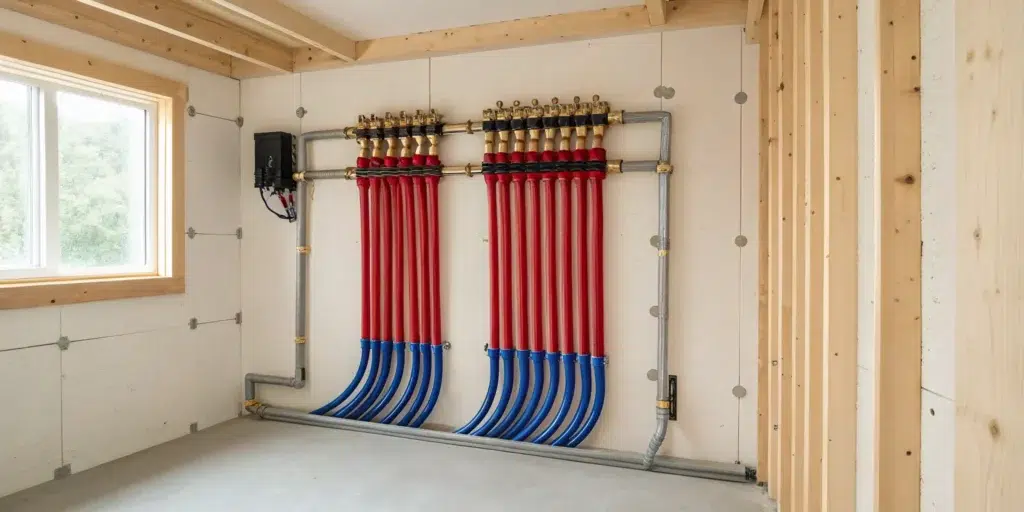
PEX is short for crosslinked polyethylene, a flexible plastic tubing made for plumbing. Think of it as a strong, bendable hose designed to handle the demands of your home’s water system. It’s engineered to safely transport both hot and cold water without breaking down. While there are a few different manufacturing methods, all PEX pipes must meet the same strict quality and performance standards. This ensures that no matter the specific type, the material is reliable for your home’s plumbing needs, giving you peace of mind.
Common Places to Use PEX
Because of its versatility, you’ll find PEX used in many different plumbing applications. Its most common job is carrying hot and cold water to faucets, showers, and appliances throughout a house. Its flexibility and heat resistance also make it an excellent choice for radiant floor heating systems, where the pipes are installed under the floor to warm a room. You might also see PEX used for residential fire sprinkler systems and in various other parts of a home’s plumbing network. It’s a true workhorse material for modern plumbing services.
PEX’s Edge Over Traditional Pipes
PEX holds several key advantages over traditional metal pipes like copper or galvanized steel. Its most significant benefit is flexibility. PEX can bend around corners and snake through walls with ease, which means plumbers need fewer fittings to connect pipes. Fewer connection points reduce the chances of leaks and make installation quicker and more efficient. Unlike metal, PEX is also resistant to rust, corrosion, and mineral buildup, known as scale. This helps maintain strong water pressure and better water quality over the life of your plumbing system.
PEX-A vs. PEX-B vs. PEX-C: What’s the Difference?
When you start looking into PEX, you’ll quickly notice there isn’t just one kind. You’ll see letters like A, B, and C attached, and it can feel a bit like you’re back in science class. Don’t worry, it’s simpler than it looks. The main difference between these types comes down to how they’re made. This manufacturing process affects everything from the pipe’s flexibility and cost to the best way to connect it.
Choosing the right type is important for a successful plumbing project. While all three are a form of cross-linked polyethylene, their unique properties make them suitable for different jobs. Understanding these distinctions will help you have a more informed conversation with your plumber about what’s going into your home’s walls. Let’s break down what makes each type of PEX unique.
PEX-A
Think of PEX-A as the premium, most flexible option in the PEX family. It’s manufactured in a way that gives it a “shape memory,” meaning if you accidentally kink the pipe during installation, you can often fix it with a little heat. This incredible flexibility also makes it highly resistant to bursting in freezing temperatures, as the pipe can expand and then contract back to its original size. This is a huge plus for any homeowner.
PEX-A uses a special cold-expansion connection method that creates a strong, reliable seal. Because of these top-tier features, it’s usually the most expensive of the three, but its durability often makes it worth the investment for a long-term plumbing solution.
PEX-B
PEX-B is the most common type of PEX you’ll find, and for good reason. It strikes a great balance between performance and affordability. While it’s a bit stiffer than PEX-A, it’s still flexible enough for most residential plumbing jobs. This is the PEX you’re most likely to see on the shelves at your local home improvement store.
Instead of expansion fittings, PEX-B typically uses a crimp or clamp ring system for connections. This method is straightforward and reliable, making it a popular choice for both DIY enthusiasts and professional plumbers. Because it’s more cost-effective and widely available, PEX-B is a versatile workhorse used in countless homes for everything from water supply lines to radiant floor heating.
PEX-C
PEX-C is the most budget-friendly of the bunch, but that lower cost comes with some trade-offs. It’s the stiffest of the three types, which can make it more difficult to work with and more prone to kinking if you’re not careful. A sharp bend can create a weak spot, so installation requires a gentle touch.
Because of its rigidity, PEX-C isn’t typically used for a whole-home piping and repiping project. Instead, it’s often reserved for specific, short-run applications where flexibility isn’t a major concern, like connecting a faucet or for certain heating systems. If your main goal is to keep costs as low as possible for a small repair, PEX-C might be an option, but for most plumbing needs, PEX-A or PEX-B offer better all-around performance.
The Pros of PEX Plumbing
If you’re considering a plumbing upgrade, you’ve likely heard about PEX. It has become a go-to material for plumbers and homeowners alike, and for good reason. PEX offers a combination of reliability, affordability, and performance that’s hard to beat. Unlike rigid metal pipes that require soldering and numerous fittings, PEX brings a modern flexibility to plumbing systems. This makes it an excellent choice for a wide range of applications, from replacing old, corroded pipes to plumbing a brand-new home from scratch.
The advantages go beyond just an easier installation. PEX is engineered to solve many of the common problems that have plagued traditional plumbing materials for decades, like corrosion, mineral buildup, and burst pipes from freezing temperatures. When you weigh the benefits, it’s clear why PEX is often the top recommendation for modern piping and repiping projects. It’s a practical, long-lasting solution that provides real peace of mind. Let’s look at some of the specific reasons why PEX might be the perfect fit for your home.
Flexible Pipes Mean Fewer Fittings
One of the standout features of PEX is its incredible flexibility. Think of it like a garden hose for your walls. PEX tubing can easily bend and curve around corners and through tight spaces without needing a joint at every turn. This is a huge advantage over rigid pipes like copper, which require a fitting for every change in direction.
Fewer fittings means fewer potential points of failure. Since connections are the most common source of leaks in any plumbing system, minimizing them makes your entire system more secure. This flexibility also makes the installation process much faster and less disruptive. Our team can often run long, continuous lines of PEX through walls and ceilings with minimal cutting, saving you time, money, and mess.
A More Budget-Friendly Option
Home improvement projects always come with a budget, and plumbing is no exception. PEX offers significant cost savings compared to traditional copper piping. The material itself is generally less expensive to purchase. On top of that, the faster and simpler installation process usually translates to lower labor costs. You’re not just saving money on materials; you’re also saving on the time it takes to get the job done.
This affordability doesn’t mean you’re sacrificing quality. PEX is a durable material that provides excellent long-term value. When you consider its resistance to common plumbing issues and its long lifespan, choosing PEX is a smart financial decision that pays off for years to come. It’s an investment in your home’s infrastructure that won’t break the bank.
Resists Corrosion, Scale, and Freezing
PEX is a synthetic polymer, which means it’s immune to the rust and corrosion that can degrade metal pipes over time. This is especially important here in Florida, where water chemistry can be tough on plumbing. PEX also has a smooth interior surface that resists scale buildup, which is the accumulation of mineral deposits. This helps maintain strong water pressure and keeps your water quality pure.
Even better, PEX is remarkably resilient against freezing temperatures. While copper pipes will split and burst when water freezes inside them, PEX can expand to accommodate the ice and then return to its original shape as it thaws. This unique ability to expand means PEX pipe and tubing is much less likely to burst, protecting your home from one of the most destructive types of plumbing failures.
Designed to Last for Decades
When you invest in new plumbing, you want it to last. PEX delivers on that front with an impressive lifespan. When installed correctly and used within its specified temperature and pressure limits, PEX tubing is designed to last for 50 years or more. That’s half a century of reliable performance without worrying about corrosion or leaks.
This durability gives you incredible peace of mind. A professional PEX installation means you can feel confident that your home’s plumbing system is secure for the long haul. It’s a set-it-and-forget-it solution that allows you to focus on enjoying your home, not worrying about what’s happening inside the walls. This longevity makes PEX a dependable foundation for your home’s water supply system.
The Cons of PEX Plumbing
As much as I love the flexibility and cost-effectiveness of PEX, it’s only fair to talk about the other side of the coin. No plumbing material is perfect, and PEX has a few characteristics you’ll want to consider before committing to it for your home. Understanding these potential downsides helps you make a fully informed decision and ensures you’re choosing the absolute best material for your specific needs and environment.
For instance, its flexibility comes with a trade-off in durability against certain elements, like sunlight and determined pests. There are also ongoing discussions about its environmental impact and potential effects on water quality that are worth knowing about. These aren’t necessarily deal-breakers, but they are important factors to weigh. Thinking through these points now can save you from potential headaches down the road, whether it’s a surprise leak or a concern about your drinking water. Let’s walk through the main drawbacks so you have the complete picture.
Not for Outdoor or Sunlit Areas
If you’re dreaming of using PEX for an outdoor shower or a project that gets a lot of Florida sunshine, you’ll need to take extra precautions. PEX piping is not designed for direct exposure to UV rays. Over time, sunlight will break down the plastic, making it brittle and prone to cracks and failure. While it’s a fantastic choice for plumbing inside your walls, you cannot use PEX outdoors without protecting it. If you must run it outside, the pipe needs to be fully insulated or buried. This is a critical detail for any exposed piping, including lines running to your pool equipment or an outdoor kitchen sink.
Vulnerable to Damage from Pests
This is a concern I hear from homeowners fairly often, and it’s a valid one. While PEX isn’t something rodents seek out for a snack, its softer material makes it much easier for them to chew through compared to copper or galvanized steel. A curious mouse or rat in your attic or crawlspace can cause a significant leak. The real trouble is that these leaks can go unnoticed for a while, leading to serious water damage and mold growth. If you’re installing PEX in areas where pests might be present, it’s wise to also have a good pest control plan in place to protect your plumbing investment from unwelcome critters. If you ever suspect a hidden leak, it’s best to call for professional leak detection.
Potential for Leaching and Water Odor
While PEX is certified for potable water systems, some homeowners have raised concerns about its long-term reliability and whether it might affect the taste or smell of their water. Some studies have noted that new PEX installations can sometimes impart a plastic-like taste or odor to the water, though this often fades over time. There are also questions about the potential for chemicals from the pipe to leach into the water. While these issues are not widely reported and PEX meets safety standards, it’s a point of consideration for those who are particularly sensitive to water quality. Installing a whole-home water treatment system can give you extra peace of mind.
It’s Not Easily Recyclable
For homeowners who prioritize sustainability, the environmental impact of PEX is a significant drawback. Unlike copper, which can be recycled indefinitely, PEX is a thermoset plastic. This means it cannot be melted down and reformed into new products. Because of this, PEX is not easily recyclable through conventional means, and old or scrap piping almost always ends up in a landfill. If reducing construction waste and choosing green materials is a top priority for your project, the end-of-life journey for PEX is something you’ll want to factor into your decision.
A Look at PEX Installation Methods
One of the reasons PEX is so popular is its straightforward installation process, but it’s not a one-size-fits-all situation. Different methods require different tools and fittings, and each has its place. Understanding these techniques can help you know what to expect, whether you’re a hands-on homeowner or you’re hiring a professional for a piping and repiping project. Let’s walk through the most common ways PEX pipes are connected.
Crimping and Clamping
Crimping and clamping are two of the most traditional and reliable ways to install PEX. The process involves sliding a metal ring, either copper or stainless steel, over the end of the pipe. A fitting is then inserted into the pipe, and a special tool is used to squeeze the ring, creating a watertight seal. While the concept is simple, it requires a specific crimping or clamping tool for the job. This method is trusted by plumbers for its durability and has been a go-to for years, providing a strong, long-lasting connection when done correctly.
Expansion Connections
The expansion method is another popular choice, especially valued for its performance in tight spaces where a crimping tool might be hard to manage. For this technique, a special expansion tool is used to stretch the end of the PEX pipe and a plastic reinforcement ring. A slightly oversized fitting is then inserted into the expanded pipe. As the PEX material’s memory kicks in, it shrinks back down around the fitting, forming an incredibly secure and full-flow connection without restricting water movement. This method is primarily used with PEX-A tubing.
Push-Fit Connections
If you’re looking for the simplest installation method, push-fit connections are your answer. These fittings are a dream for quick repairs because they don’t require any special tools for installation. You simply push the PEX pipe firmly into the fitting until it clicks into place. An internal O-ring and metal teeth create the seal and hold the pipe fast. While they are easy to put on, removing them does require a small, inexpensive disconnect clip. Their convenience makes them a favorite for DIY projects and professional jobs alike.
Essential Tips for a Smooth Installation
Regardless of the connection method, a successful PEX installation follows a few key rules. First, it’s crucial to check local building codes, especially for jobs like burying pipes. Some areas have specific requirements, such as needing the pipe to be placed inside a protective sleeve. Second, if you are burying PEX, make sure the backfill soil is completely free of rocks, sharp objects, or debris that could puncture or damage the pipe over time. Following these essential PEX facts ensures your plumbing system remains safe and functional for years to come.
Is PEX the Right Choice for Your Home?
Deciding on the right plumbing material can feel like a big commitment, but understanding the key factors makes the choice much clearer. PEX has become a go-to for many modern homes, and for good reason. It offers a compelling mix of affordability, durability, and safety. When you weigh its performance against other materials and consider your specific needs, you can feel confident about whether it’s the best fit for your plumbing system. Let’s walk through some of the most common questions homeowners have when considering a switch to PEX.
PEX vs. Copper: How to Decide
The choice between PEX and copper often comes down to cost and water quality. PEX pipes and fittings are significantly less expensive than their copper counterparts, making them a budget-friendly option for both new builds and repiping projects. Beyond the price tag, PEX has a distinct advantage in areas with corrosive water. If your home uses well water, for example, you might find that copper pipes degrade over time. PEX is made from a cross-linked polymer that resists corrosion and scale buildup, which helps maintain strong water flow and extends the life of your plumbing system.
Is PEX Safe for Your Drinking Water?
Absolutely. This is a top concern for any homeowner, and you can rest easy knowing that PEX is safe for potable water. PEX pipes must meet strict health and safety standards, including NSF/ANSI/CAN 61, to be certified for use in drinking water systems. This certification ensures the material is lead-free and does not leach harmful chemicals into your water supply. Both PEX-A and PEX-B types carry these certifications, so you can trust that the water flowing through them is clean and safe for your family to drink, cook with, and use every day.
Can You Bury PEX Pipes Underground?
Yes, you can bury PEX pipes. PEX is approved for direct burial, making it a versatile choice for underground water lines, such as the main supply line to your home or connections to outdoor spigots. Its plastic composition means it won’t corrode from contact with soil or moisture, which is a common problem for buried metal pipes. The flexibility of PEX also helps it withstand shifting soil and ground movement better than rigid pipes. For any underground work, it’s crucial to have a professional handle the plumbing services to ensure everything is installed correctly and to code.
How Does PEX Handle High Heat and Pressure?
PEX is engineered to perform reliably under the typical demands of a residential plumbing system. It can safely handle water temperatures up to 210°F and pressure up to 150 psi, making it suitable for both hot and cold water lines. This durability is why it’s a popular choice for connecting to fixtures and appliances like your water heater. When installed and used within these temperature and pressure limits, PEX tubing has an expected lifespan of around 50 years. Its ability to expand also helps it resist bursting if the water inside freezes, giving you extra peace of mind during a cold snap.
Know When to Call a Plumbing Pro
While PEX might seem more DIY-friendly than copper, a proper installation requires specific tools and techniques to prevent leaks. Each connection method, whether crimping, clamping, or expansion, needs a specialized tool to create a secure, watertight seal. Using the wrong tool or technique can easily lead to a failed connection and costly water damage down the road. To ensure your new PEX plumbing is installed correctly and reliably, it’s always best to call a professional. Our team has the right equipment and expertise to get the job done right, giving you a plumbing system you can depend on for years.
Need a Plumber in Fort Myers?
Whiskey Creek Plumbing has delivered five-star, fixed-price plumbing services to Southwest Florida homeowners and businesses since 2006. No surprises — just guaranteed work.
Locally owned & operated · Fixed-price guarantee · Serving Fort Myers since 2006
Frequently Asked Questions
Which type of PEX is the best choice for my home? For most whole-home plumbing projects, PEX-A or PEX-B are your best bets. PEX-A is the most flexible and durable, especially against freezing, but it comes at a higher price. PEX-B offers a fantastic balance of performance and affordability, which is why it’s so common. PEX-C is the most rigid and is usually only considered for small, specific repairs where cost is the absolute top priority. A professional can help you decide which material makes the most sense for your specific project and budget.
I’ve heard PEX can make my water taste funny. Is that true? Some people notice a slight plastic-like taste or odor right after a new PEX installation. This is not uncommon and typically disappears after a short period of flushing the system. All PEX used for drinking water must meet strict safety standards to ensure it doesn’t leach harmful chemicals. If you’re particularly sensitive or concerned about water quality, we can always discuss installing a water filtration system for extra peace of mind.
Can I use PEX for outdoor plumbing, like for my pool or a garden hose spigot? PEX is not designed to be exposed to direct sunlight, as UV rays will cause the material to become brittle and fail over time. For this reason, it’s not a great choice for exposed outdoor plumbing. However, it can be used for underground water lines running to an outdoor spigot or pool equipment, as long as it is properly buried and protected from sharp rocks or debris.
Is it really cheaper to use PEX instead of copper? Yes, in almost every case, choosing PEX will be more budget-friendly than copper. The PEX tubing itself costs less per foot, and because it’s flexible, installation is much faster. A quicker installation means lower labor costs. When you combine the material and labor savings, PEX provides a high-quality, long-lasting plumbing system for a fraction of the cost of a full copper repipe.
Since it seems easier to install, can I just do it myself? While PEX is more forgiving than copper, a proper installation still requires specialized tools and knowledge. Each connection method, whether crimping, clamping, or expansion, needs a specific tool to create a secure, leak-proof seal. A faulty connection can lead to slow leaks or a major pipe burst, causing significant water damage. For a job this important, it’s always wisest to rely on a professional to ensure it’s done right the first time.
