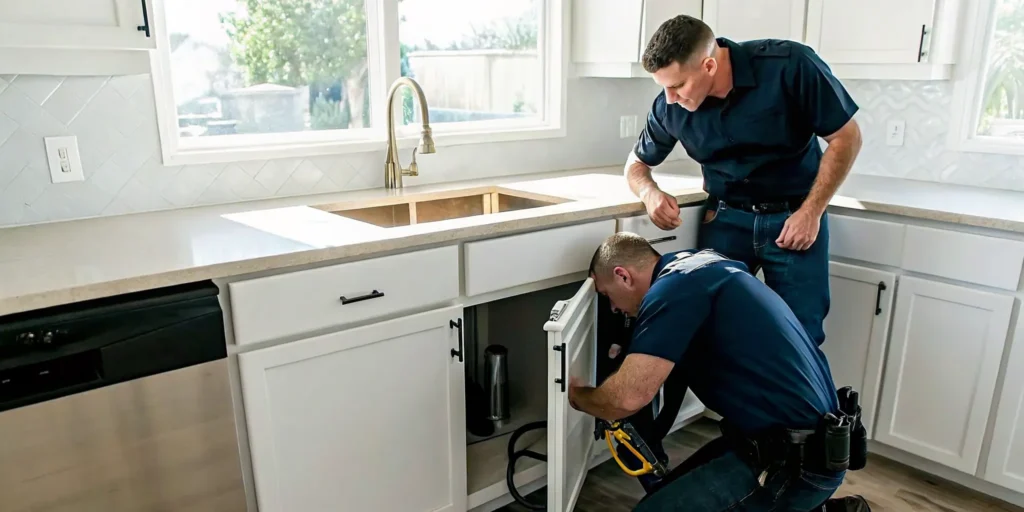
A slow drain can become standing water before the next load of dishes. Start with a safe fix, not the strongest product under the sink.
Schedule drain cleaning with Whiskey Creek Plumbing if a safe first step does not clear the clog.
How to unclog a drain safely starts with the least aggressive fix: remove standing water and pull visible hair or debris near the drain opening. Next, try a plunger or plastic drain snake; for minor organic buildup, baking soda and vinegar followed by hot water may help without an aggressive product. Skip harsh chemical cleaners because sodium hydroxide drain cleaner can cause severe caustic injury during brief contact, as a published medical case shows. Stop DIY work and call a plumber if the clog persists, several fixtures back up, sewage appears, or pipes are older or corroded inside your home. A professional can diagnose a deeper blockage and clear it with the proper equipment before the problem spreads or returns.
Your next move should match the type of clog, the fixture, and any warning signs nearby. Next, we cover How to unclog a drain safely: start with the right method so you can choose a sensible first step. Here’s how.
How to unclog a drain safely: start with the right method
To unclog a drain safely, start with the least forceful method and work one step at a time. A simple DIY attempt is reasonable when one sink, tub, or shower drains slowly. Stop if water starts backing up elsewhere, the clog returns, or you notice sewage odors.
Skip harsh drain cleaners. Some products contain sodium hydroxide, which can cause severe burns after contact. A published medical case report shows this risk. A plunger and hand auger give you more control over a small blockage.
Signs of a localized clog
A localized clog affects one fixture while nearby drains still work as usual. Bathroom sinks and tubs often collect visible hair, soap residue, or grime near the stopper. A kitchen sink may slow after food debris or grease builds up in the line.
Do not treat several slow fixtures as a basic DIY project. Gurgling, standing water in another drain, or wastewater coming back up can point to a deeper issue. Those signs call for a professional inspection instead of more force.
A safe DIY sequence
Gather gloves, a bucket, a flashlight, a drain plunger, and a small hand auger. Keep the process simple. Do not mix drain products, and do not push a tool deeper when you meet hard resistance.
-
Remove the drain cover or stopper if it lifts out easily. Put on gloves, then pull out visible hair and debris by hand or with pliers.
-
Run a small amount of water to check the flow. If the drain is still slow, stop the water before the basin fills.
-
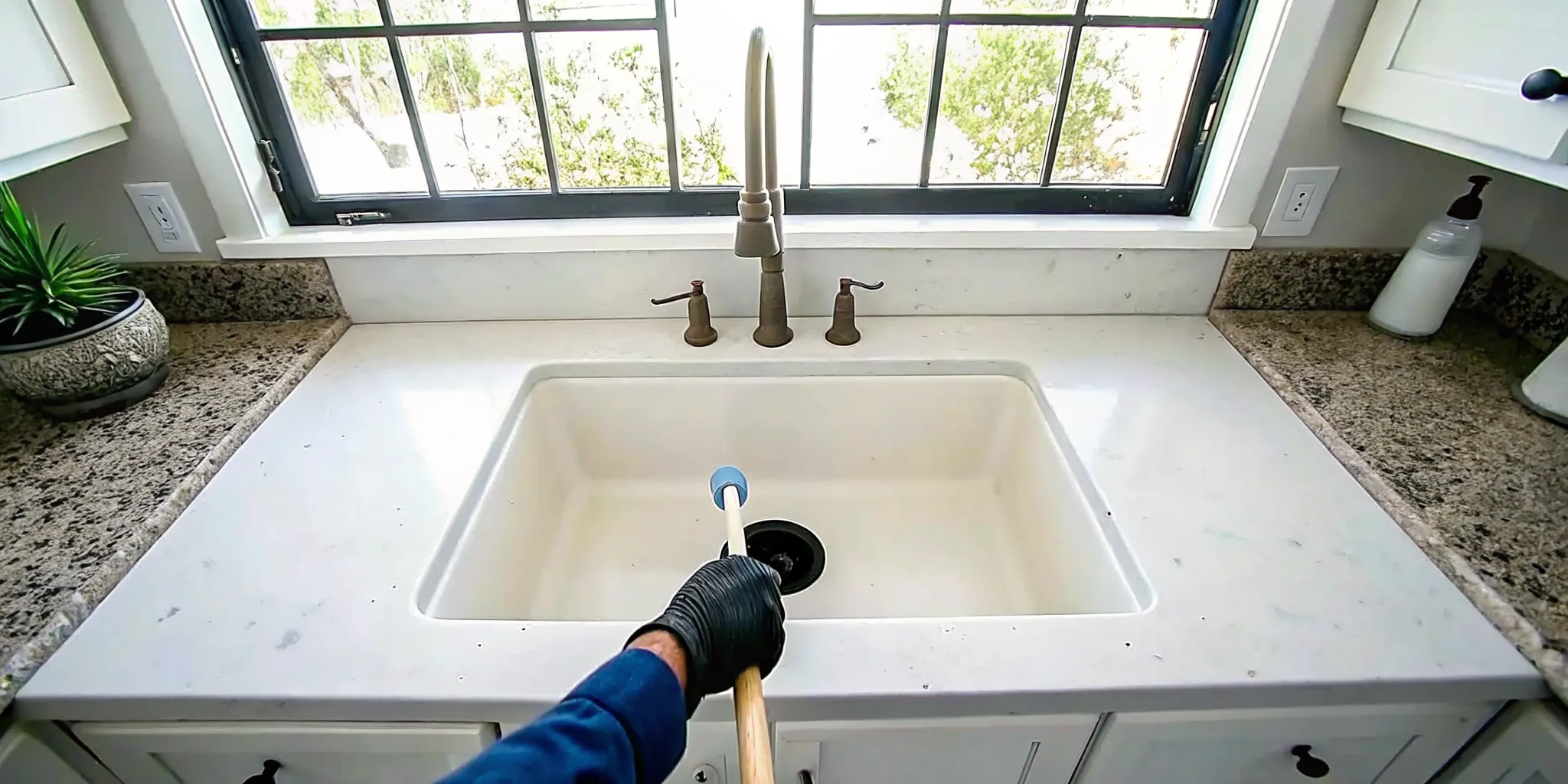
Place a drain plunger over the opening and add enough water to cover its rim. Seal the overflow opening with a damp cloth when the fixture has one.
-
Press and pull the plunger with steady strokes. Keep the seal in place, then test the drain with a small amount of water.
-
Try a hand auger only if plunging does not clear the line. Feed it in slowly, turn the handle gently, and pull out loosened debris.
-
Test the flow again with a small amount of water. Stop if drainage gets worse, the auger sticks, or water appears in another fixture.
When to stop the DIY attempt
One careful pass is enough. Repeated force can turn a minor clog into a harder repair. If the drain remains slow, schedule professional drain cleaning services. A plumber can check the cause without guesswork.
Call for help sooner when several fixtures are affected, wastewater backs up, or a bad odor persists. A plumber can check for a blockage farther down the line and choose the right cleaning method.
Match the drain-clearing method to the fixture
The right first step depends on where the water is backing up. A kitchen drain does not collect the same debris as a shower drain. Start with the least forceful method, then stop if the clog stays in place. A failed DIY attempt is a signal to reassess, not to keep adding products.
Kitchen sinks
Kitchen sinks often slow down as grease and food debris build up. Remove standing water and visible scraps first. For a light clog, try baking soda and vinegar, then flush with hot water. If your home has a septic system, the EPA also advises homeowners to dispose of waste properly.
A sink plunger may help when water still moves slowly. Block the second basin or overflow opening so the plunger can build pressure. If the drain stays slow, the blockage may be deeper than a basic home method can reach.
Bathroom sinks, tubs, and showers
Hair and soap residue are common trouble spots in bathroom drains. On a bathroom sink, lift or remove the stopper and pull out visible debris. A plastic drain snake can help reach hair just below the opening. Use a gentle hand so you do not force debris farther down the pipe.
For tubs and showers, begin at the drain cover or stopper. Hair often catches near the top of a tub drain, so removal may restore flow. If the same drain keeps slowing down, professional drain cleaning services can address a clog beyond the opening.
Toilets and warning signs
Use a toilet plunger for a toilet clog. Stop flushing if the bowl rises, since another flush can send water onto the floor. Do not pour a chemical drain cleaner into the toilet. Some drain cleaners contain sodium hydroxide, and contact can cause severe caustic injury.
A single slow fixture may be a small local clog. Several backed-up fixtures, a sewer odor, or a clog that returns point to a larger issue. Stop DIY work and call a plumber for a safe diagnosis.
What should you avoid putting down a clogged drain?
Mixed or repeated chemical cleaners
Do not pour one drain cleaner on top of another. Treat every product as incompatible unless its label says otherwise. A blocked pipe can hold the first product in place. Adding another cleaner may create a risk of heat, fumes, or splashes.
Harsh chemical drain cleaner is not a good first step. Some products contain sodium hydroxide. A published case report documents a severe caustic injury after short contact with a sodium hydroxide drain cleaner. Keep the product away from skin and eyes, and follow its label.
Avoid sending grease or extra waste down the drain while you work on the clog. The EPA advises homeowners to dispose of waste properly to care for a septic system. Even if your home uses a sewer, a drain is not a trash chute.
Boiling water and blind tool use
Hot tap water may be useful for a light clog. Do not pour boiling water into a fixture unless you know the pipe material. Check that the product directions allow it too. An unknown plumbing setup does not need a sudden dose of extreme heat.
Use a small drain tool only where you can control it, such as near a stopper. Do not force a sharp wire or large tool deep into a drain. If the tool meets firm resistance, stop. Pushing blindly can move the blockage farther away or leave a tool stuck in the pipe.
What to do after using a chemical cleaner
If you already poured in a chemical cleaner, do not add another product. Skip plunging, snaking, and taking apart the trap. Those steps can bring trapped cleaner back toward your hands or face. Keep people and pets away from the fixture.
When you call a plumber, say which product you used and when you used it. Keep the container nearby so you can share its label directions. For a clog that persists or affects more than one fixture, schedule professional drain cleaning services. Do not try another chemical or tool.
DIY drain clearing vs. professional drain cleaning
A minor, localized clog may be a reasonable DIY project. If one sink or tub drains slowly, start with a simple method and watch the result. Stop if the problem persists, returns, or affects more than one fixture.
Skip harsh chemical cleaners. A published medical case shows that sodium hydroxide drain cleaner can cause severe caustic injury after contact. Safer first steps help you avoid adding a hazardous chemical to a drain that may still need professional work.
Choosing the next step
The right response depends on where the clog appears and how it behaves. Use this comparison when deciding how to unclog a drain without making the problem worse.
| Situation. | Safe next step. | Why. |
|---|---|---|
| One bathroom drain is slow, with visible hair near the opening. | Remove the stopper and pull out reachable debris with a plastic drain snake. | The clog may be shallow and easy to reach. |
| One sink or tub has a minor localized clog. | Try a plunger, then test the flow. | A simple attempt may clear a small blockage. |
| The drain stays slow or clogs again. | Schedule professional drain cleaning. | A deeper blockage or root issue may need proper equipment. |
| Several fixtures back up at once. | Stop using the affected drains and call a plumber. | The issue may extend beyond one fixture. |
| There is a sewer backup or major clog. | Call for professional help promptly. | This is not a safe DIY job. |
When professional cleaning makes sense
Whiskey Creek Plumbing provides professional drain cleaning services for kitchen, bathroom, and all-area drains. The team uses equipment meant for thorough blockage removal. A video camera inspection can also help find the root cause of a stubborn or recurring clog.
Professional service is the better path when a DIY attempt does not work or the clog comes back. It is also safer when several backed-up fixtures point to a larger drain issue.
Hydro jetting for stubborn clogs
Some tough clogs need more than a basic drain-clearing attempt. Whiskey Creek Plumbing offers hydro jetting for stubborn clogs. This service uses high-pressure water for a more thorough cleaning and can help prevent future clogs.
The goal is not to turn every slow drain into a major project. Start small when the clog is minor and isolated. Step up to professional help when the signs show that a deeper problem may be present.
When should you call a plumber for a clogged drain?
A minor clog may clear with a safe home method. Stop troubleshooting when the drain keeps slowing down or the problem starts to spread. A plumber can check what is blocking the line instead of treating the same symptom again.
Signs that need prompt attention
Call a plumber if wastewater backs up into a sink, tub, shower, or floor drain. Keep children and pets away from the area. Avoid running more water until a plumber has checked the system.
A slow drain can also point to a larger issue when it does not stay clear. Watch for these signs:
- The same drain clogs again after a safe home attempt.
- Standing water drains slowly, then returns.
- Two or more fixtures slow down or back up at the same time.
- A drain gurgles when you use a nearby sink, tub, or toilet.
- You notice a sewer odor near a drain or backed-up fixture.
Multiple affected fixtures are not a good DIY project. The same is true for a sewer odor or visible wastewater backup. These problems call for prompt help, even if one drain still seems to work.
When to stop DIY attempts
If a plunger or another safe method does not work, do not keep forcing the blockage. Avoid adding a harsh chemical cleaner. A published case report describes a severe caustic injury after short contact with a sodium hydroxide drain cleaner. The report is available through PubMed.
Tell the plumber what you already tried, including any product added to the drain. That detail helps the plumber plan the next step safely. Stop sooner if water rises, returns, or appears in another fixture.
Professional diagnosis and cleaning
Recurring clogs may need more than a quick clearing. Whiskey Creek Plumbing offers video camera inspection to check the root cause of stubborn or repeat problems. Its professional drain cleaning services cover kitchen, bathroom, and other household drains.
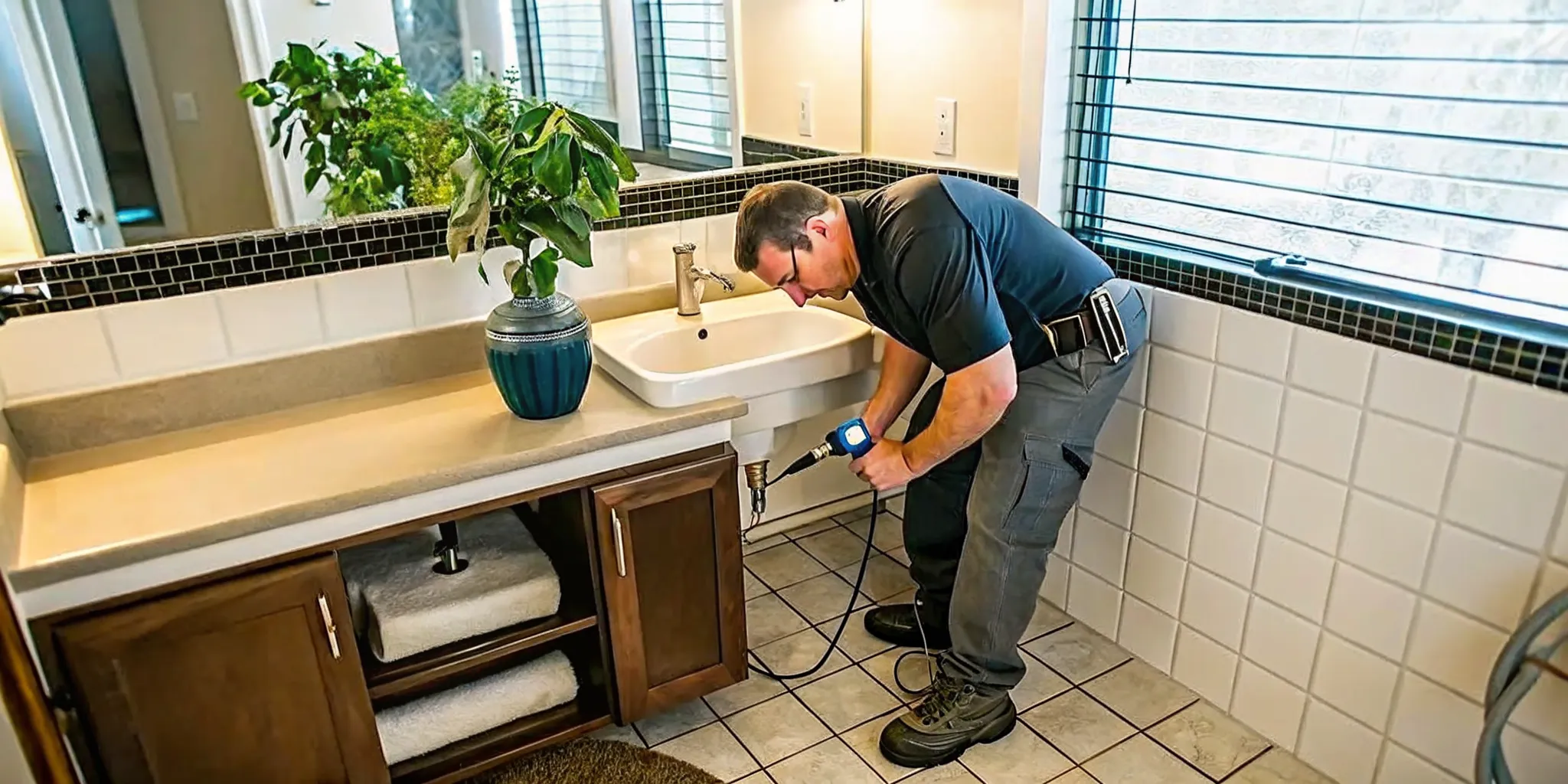
Some tough buildup may call for a stronger cleaning method after the line is checked. In the right case, hydro jetting for stubborn clogs uses high-pressure water for a deeper clean. The right method depends on the cause and the condition of the line.
How can you prevent future drain clogs?
Kitchen drain habits
Keep cooking grease, oil, coffee grounds, and food scraps out of the kitchen sink. Let grease cool in a container, then place it in the trash. The EPA advises homeowners to dispose of waste properly to help care for septic systems. A simple sink screen can also catch scraps before they enter the drain.
Empty the screen into the trash after washing dishes. This small habit is easier than learning how to unclog a drain after the sink starts holding water. If your disposal has trouble clearing food, stop adding scraps and check for a growing blockage.
Bathroom clog control
Use a hair catcher in shower, tub, and bathroom sink drains. Clean it often so water can pass through without carrying hair and soap residue into the pipe. Brush hair before showering when possible. Keep cotton swabs, dental floss, wipes, and personal care items out of toilets and drains.
Pay attention to what goes down the toilet. Use it only for human waste and toilet paper. Place a small trash can near the toilet so guests have an easy choice for other items. These basic steps help protect bathroom drains from avoidable blockages.
Whole-home warning signs
Watch for slow drains, gurgling sounds, odors, and clogs that return after a basic fix. One slow fixture may point to a local issue. Several slow or backed-up fixtures need prompt attention because the problem may be farther along the drain system.
Do not wait for a full backup if the same drain keeps slowing down. Homeowners who need maintenance support can schedule professional drain cleaning services. A plumber can assess a recurring issue and discuss the right next step for the home.
Frequently Asked Questions
Can I use baking soda and vinegar to unclog a drain?
Yes, baking soda and vinegar may help with a light organic clog or soap scum. The recommended method is to add baking soda and a vinegar solution, cover the drain, wait 5 to 10 minutes, then flush carefully with hot water. If the clog remains, try a mechanical method or call a plumber.
What should I do if my bathtub drain is draining slow?
Remove the stopper and inspect the drain opening first. A slow bathtub drain is often caused by hair caught around the stopper or drain crosshairs. Use needle-nose pliers or a plastic hair snake to pull out reachable debris. If water still drains slowly after cleaning the opening, the blockage may be deeper in the line and need professional attention.
Is it safe to use chemical drain cleaners?
Use caution with chemical drain cleaners. Products containing sodium hydroxide can cause serious caustic injuries on contact, as documented in a published case report. Harsh cleaners can also damage pipe joints and seals over time. Read the product label, wear the required safety gear, and never combine products. Call a plumber for an uncertain or recurring clog.
When should I clean the P-trap?
Clean a sink P-trap after removing reachable debris and trying a drain snake, if the clog remains. Place a bucket beneath the curved pipe before loosening it, since trapped water and debris can spill out. If you already poured chemical cleaner into the drain, avoid opening the trap yourself. Residual cleaner may remain inside, so call a plumber instead.
When should I call a plumber for a clogged drain?
Call a plumber when simple methods do not clear the clog, the problem keeps returning, or several fixtures back up at once. A sewer backup also needs professional attention. A plumber can inspect the cause and choose the right equipment for the blockage. Whiskey Creek Plumbing provides professional drain cleaning services for clogs that are beyond a minor DIY fix.
Ready to Stop Dealing With a Stubborn Drain Clog?
A lingering clog can leave standing water, unpleasant odors, and a fixture your household cannot use comfortably. Waiting may also leave the cause hidden until the disruption becomes harder to ignore. Starting now gives a plumber time to clear the blockage and explain the next practical step before another busy day gets interrupted.
Ready to get your drain moving again? Schedule professional drain cleaning to replace repeated DIY attempts with a clear plan. Choose a convenient time now, so the issue is handled before it adds more frustration to your routine. A professional visit can help you move forward with a drain that works as expected and keep your household schedule on track.