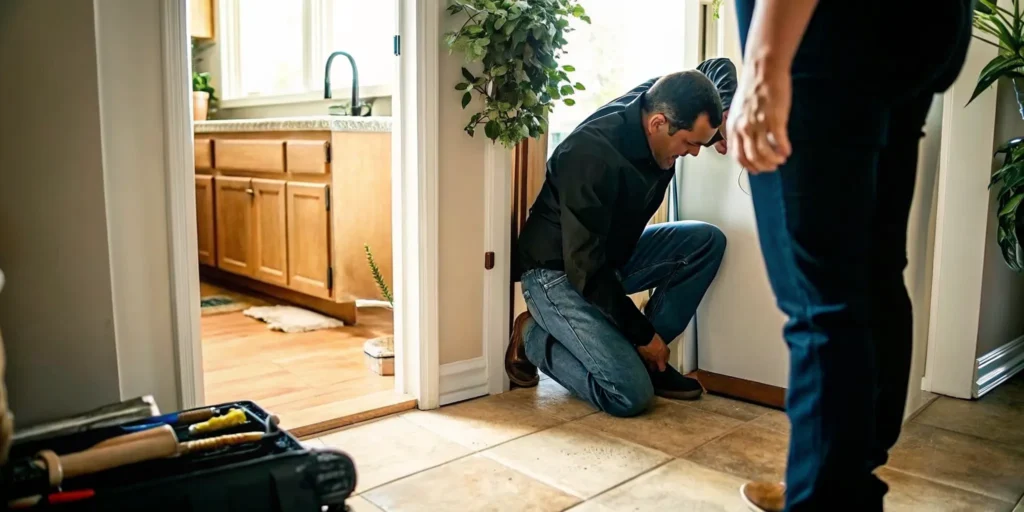
A burst pipe can dump gallons of water into your home in minutes. Shut off the water, avoid electrical hazards, and call for emergency plumbing repair before the damage spreads.
Call Whiskey Creek Plumbing now at (239) 785-9022 for emergency plumbing repair.
The safest first steps are to shut off the main water valve, open faucets to drain the pipes, move belongings away from water, and call a local plumber. Never enter standing water near outlets, wiring, or appliances. Fast action limits damage while professional help is on the way.
While you wait for help, put your well-being first. Do not attempt a risky repair around electricity, gas, sewage, or rapidly moving water.
Emergency plumbing repair starts with safety
When you face a burst pipe or a sudden leak, your first urge is often to grab a wrench. But before you touch any tools, you must make sure the area is safe for you to work. An emergency plumbing repair can quickly become dangerous if you ignore hazards like wet wires or gas leaks. Taking a moment to check the scene keeps you and your family safe while you wait for a pro to arrive.
Check for electrical and gas hazards
Water and power are a deadly mix. If you see standing water near outlets or machines, do not step into it. You should never turn power on or off while standing in water because of the risk of electric shock. If the main power switch is in a wet area, you must call a pro to handle it. It is always safer to wait for an expert than to risk your life with live wires.
Gas leaks are another major concern during some plumbing crises. If you smell gas or think there is a leak, you must act fast to protect your home. Turn off the main gas valve right away and open your windows to let fresh air in. Leave the house at once and stay far away until the gas company or a plumber says it is safe to go back inside. This step is vital for preventing fires or blasts in your living space.
Avoid contact with sewage
A sewer backup is more than just a mess. It is a health hazard that can lead to serious illness if not handled the right way. Sewage may contain harmful germs, mold, or viruses that can make you sick through touch or breath. If your emergency involves a drain backup, keep children and pets away from the site. You should wear rubber boots and gloves if you must be near the water to protect your skin from harm.
It is vital to air out any room that has been closed up with standing water. Open doors and windows for at least 30 minutes before you stay in the room for any length of time. This helps clear out smells and reduces your risk from mold spores that grow fast in damp spots. Once the water is gone, drying the area fast is the best way to stop mold from taking root in your floors and walls.
Know when to call a pro
Some repairs are too big or risky for a home owner to tackle alone. While you can turn off a water valve to stop a leak, fixing a slab leak or a broken main line needs special tools. Our team provides expert emergency plumbing services to help you get your home back in order. We have the training to find and fix hidden issues that could lead to more damage if left alone.
If you are unsure about the safety of a case, do not guess. It is always better to be safe than sorry when dealing with home systems. You can contact our plumbing experts at (239) 785-9022 for advice or to book a service visit. We arrive fast to secure your home and give you a fixed price for the work so you know exactly what to expect.
What should you do during a plumbing emergency?
During a plumbing emergency, shut off the nearest safe water valve, keep everyone away from electrical hazards or sewage, and call a plumber immediately. These first actions limit damage without putting your safety at risk.
Your actions in the first few minutes matter. Focus on safety and simple ways to protect your property while you wait for professional emergency plumbing services.
Safety first for your home
Your first goal is to stay safe. If you see deep water near any power source, do not go inside. Never use tools or appliances while you are standing in water. If you must get to a main power switch in a wet area, call an electrician instead of trying to do it yourself. This safety guide from the CDC warns that water and power are a deadly mix.
You should also be aware of gas risks. If you smell gas or think there is a leak, turn off the gas valve and leave the house right away. Open the windows as you go to let fresh air inside. High water can also lead to issues like sewage back-up or mold growth. Stay out of the water if you can to avoid germs that might make you sick.
Quick steps to stop damage
If it is safe to do so, follow these steps to manage an emergency plumbing repair situation. These quick moves can save you money and prevent long-term harm to your floors and walls. Most homeowners can handle these tasks without special tools.
- Shut off the water. Find your main water valve and turn it to the off position. This stops more water from flowing into your home and is the best way to stop water damage during a crisis.
- Call for help. Once the water is off, call a local pro. A tech can usually get to your door in 45 to 60 minutes to find the cause of the leak.
- Turn off the heat. If your water heater is the source of the leak, turn off its power or gas. This prevents the unit from heating up with no water inside, which can cause it to break.
- Drain the lines. Open the lowest faucets in your home to let the last of the water run out of the pipes. This moves the water away from the leak site and into your drains.
- Clear the area. Move rugs, furniture, and electronics away from the wet spots. Use a wet-dry vacuum or towels to soak up what you can, but make sure to wear rubber boots for protection.
- Document the scene. Take photos and notes of the leak and any damage you see. This info will help both your plumber and your insurance company later on.
Prepare for the technician
While you wait for immediate leak repair assistance, make sure the tech can get to the problem area. Clear a path to the leak and to your main water shut-off valve. If the issue is in a crawl space or behind a heavy shelf. Try to move what you can so the pro can start work as soon as they arrive.
Check for other signs of trouble while you walk through the house. Note any odd smells or damp spots on your ceilings. Giving the plumber a full list of what you saw helps them work faster. Remember to stay calm and keep your pets and kids away from the work zone for their own safety.
How to shut off the water safely
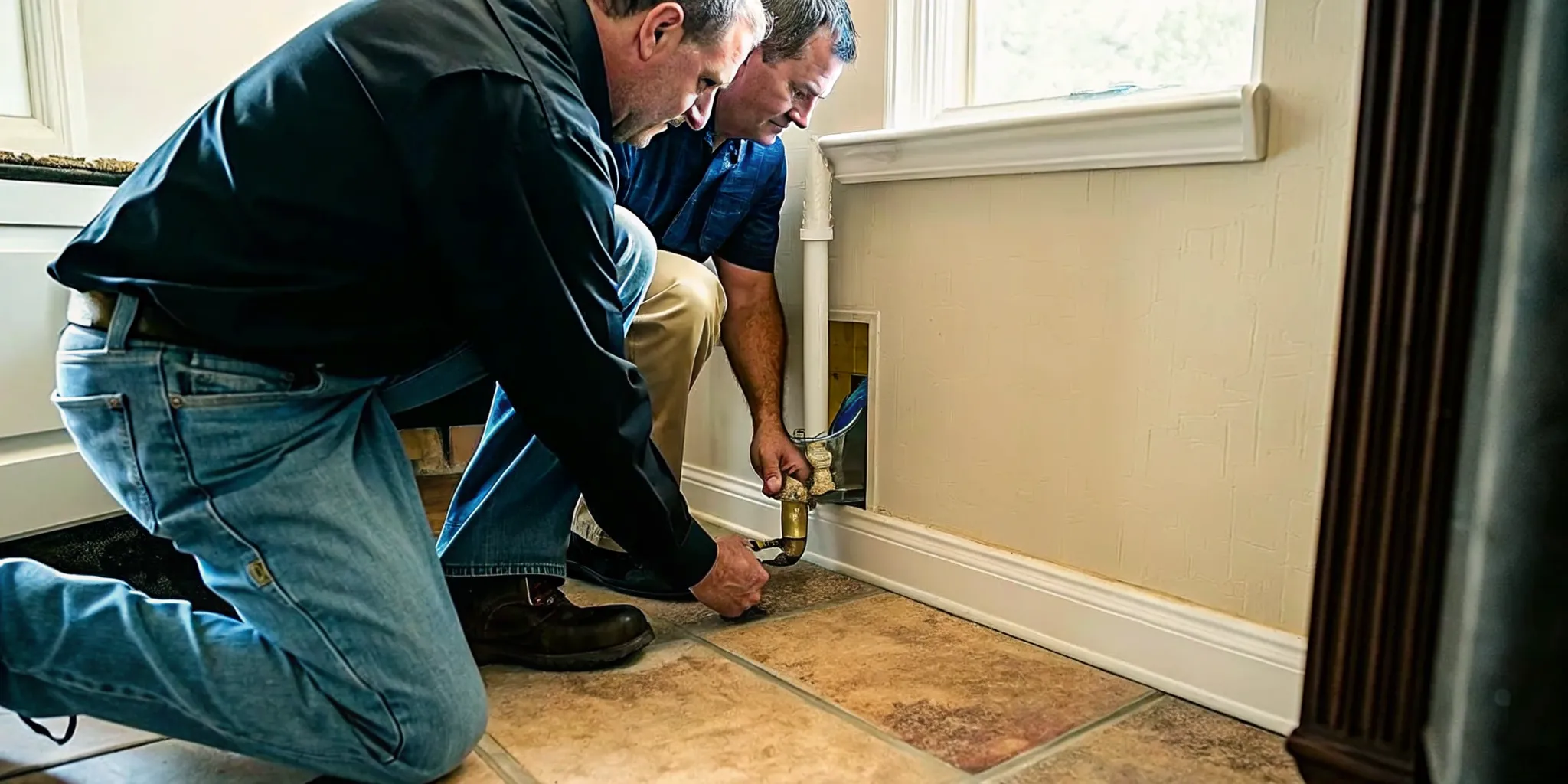
When you face a burst pipe or a major leak, every second counts. Finding and closing the right valve is the first step in any emergency plumbing repair. This simple act stops the flow and limits damage to your floors and walls. You should learn where these valves are before a crisis happens.
Fix local valves first
Most sinks, toilets, and water heaters have their own valves. These are called fixture shutoff valves. They let you stop water to one spot without drying out the whole house. For a leaky toilet, look for a small knob on the wall behind the tank. For a sink, check in the space below the basin. These valves are small handles that you can turn by hand. Turn the handle to the right until it stops. If you need immediate leak repair assistance, closing these local valves can buy you time while you wait for a pro.
Water heaters also have a valve on the cold water inlet pipe. This is most often at the top of the unit. Closing this valve stops hot water from leaking if the tank fails. Always move slowly and use a firm grip when you turn these handles. Be sure not to pull or tug on the pipes. Sudden force can cause a weak pipe to snap or leak more.
Locate your main water shutoff
If a pipe bursts inside a wall, you must shut off the main water line. In Southwest Florida, the main valve is often in one of two places. Check near the front of your yard for a plastic or metal box in the ground. This box holds your water meter and the main shutoff. You may need a long tool called a meter key to reach it. If it is not in the yard, look on the outside wall of your home. It is most often near an outdoor faucet or close to the garage.
Sometimes the valve is hidden behind bushes or near the pool pump. Take a moment to walk around your home today to find it. Once you find the valve, turn it clockwise to stop the flow. Some homes use a gate valve, which looks like a round wheel. Others use a ball valve with a straight lever. For a ball valve, turn the lever until it is across the pipe. Turning off the main water valve is the best way to keep a small leak from turning into a flood. This keeps your home safe and dry.
If a valve is stuck
Old valves can get stuck if they are not used often. If a valve will not budge, do not force it with a wrench or hammer. Too much pressure can break the stem and cause a massive leak. Instead, try to spray it with a bit of penetrating oil. Let the oil sit for a few minutes before you try again. If it still does not move, call a plumber to replace the part safely.
Never try to take a valve apart while the water is still on. Taking a valve apart under pressure will cause water to spray all over. If your home is already flooded, stay safe and avoid power tools while standing in water. The CDC warns about electric shocks in wet areas during a plumbing crisis. If you cannot reach the valve safely, wait for a licensed plumber to handle the job.
Which plumbing problems need immediate help?
Burst pipes, uncontrolled leaks, sewage backups, suspected gas leaks, and water near electrical systems need immediate professional help. Call for emergency plumbing repair rather than trying a dangerous fix yourself.
Some problems can wait for a scheduled visit, but active flooding or a safety hazard cannot. Knowing the difference helps you protect your home and avoid greater repair costs.
Problems that need a fast fix
A burst pipe is a top need for any homeowner. If water is rushing out of a wall or ceiling, you must act now. First, turn off your main water valve to stop the flow. This step is key to stopping big water damage in your home. Burst pipes can dump many gallons of water into your house fast. This can ruin your floors and walls in just a few minutes. You need a fast fix to stop the flood and start the drying process.
Sewage backups are also urgent. If waste is coming up through your drains, it is a big health risk. The CDC warns that sewage carries germs that can make you sick. You should not try to clean this up on your own. Call a pro right away to clear the line and clean the place. Foul smells often come with these backups, making your home hard to live in. We can find the clog and clear it out so your home stays safe.
Other urgent issues include a water heater leaking from the tank. If the tank cracks, it can spill 50 gallons of hot water on your floor. This can cause mold and rot if you do not catch it early. Also, if you have no water at all, it is hard to cook or clean. This makes it a main need for your family. Large leaks in your pipes lead to big water loss and high bills. We treat these calls with the highest care.
| Plumbing Issue | Urgency Level | Action to Take |
|---|---|---|
| Burst Pipe | Immediate | Shut off main valve |
| Sewage Backup | Immediate | Avoid area and call |
| Water Heater Leak | Immediate | Turn off water and power |
| Slow Sink Drain | Low | Book during the week |
| Dripping Faucet | Low | Fix during next visit |
| Running Toilet | Medium | Shut off toilet valve |
Issues that can wait for morning
Not every drip is a crisis. If you have a slow drain in one sink, you can usually wait a day or two. A faucet that drips into a basin is annoying, but it will not flood your room. You can place a bucket under a small leak to catch the water for a few hours. This lets you set a visit during normal hours when it is more easy for you. It also gives you time to plan for the repair without rushing.
A running toilet is another common issue. It wastes water, but it usually stays inside the bowl. You can turn off the water at the small valve behind the toilet to stop the noise. This lets you wait until the next day to call us. Our team at Whiskey Creek Plumbing uses a fixed-price model for our work. This means you know the cost before we start. You do not have to worry about hidden fees during a stressful time. We give you a clear price so you can make a good choice.
Protect your home from water damage
When a crisis hits, stay calm and focus on safety. Do not touch any electrical tools if you are standing in water. If you see a major leak, turn off the water at the source. This simple move can save you thousands of dollars in repairs. It is the best way to stop more damage while you wait for a pro. Our experts can be at your door in 45 to 60 minutes for most emergency calls in Lee County. We know that every minute counts when your home is at risk.
We are ready to help with commercial repairs and home fixes alike. Our goal is to give you peace of mind with fast and honest service. We are licensed and insured to handle even the toughest leaks. Our team treats every job with care and respect. If you are not sure if your issue is a crisis, call us at (239) 785-9022 for help. We are happy to talk you through the steps to keep your home dry and safe.
What should you never attempt yourself?
You may feel the urge to fix a pipe or clear a drain to save money. But some plumbing tasks are too risky for a homeowner to handle alone. A small mistake can turn a simple fix into a costly professional emergency plumbing services call. Knowing when to stop can save your home from deep water damage and keep your family safe from harm.
Dangerous gas and water heater work
Working on gas lines or water heaters is very risky. If you smell gas or think there is a leak, you must act fast. You should turn off the main gas valve and leave your house right away. The Centers for Disease Control and Prevention advises opening all windows as you exit. Do not try to find or fix the leak yourself because gas can catch fire easily.
Water heaters also need expert care. These tanks hold high pressure and very hot water. Dealing with these issues is a core part of an emergency plumbing repair. Fixing a valve or a tank leak without the right tools can lead to bursts or burns. It is best to wait for a pro to handle these complex parts. Trying to force a stuck valve can break the whole unit.
Electrical risks in flooded areas
Standing water and power are a deadly mix. Never use tools or turn on lights if you are standing in water. Even a thin layer of water can carry a strong current. If you must enter a wet area to reach the main power switch, you should stop. The CDC suggests you call an electrician to turn the power off for you. This step keeps you safe from shocks while you wait for help.
DIY repairs near wires can lead to fires or sparks. A wet pipe next to an outlet is a big hazard. You should use a battery light instead of a candle to see in dark, wet spots. Do not try to dry out power parts with a shop vac if the area is still wet. Proper safety gear like rubber boots can help, but avoid the risk if you can. Your life is worth more than a quick DIY win.
Sewage and structural damage
Backups that involve sewage carry serious health risks. Raw waste contains germs that can make you very sick. You should not try to clean a big sewage spill without the right gear. Exposure to mold or waste can happen fast in a flooded home. If you need immediate leak repair assistance, call a team that has the tools to keep things clean.
Opening walls to find a leak is another job for pros. You might cut a wire or hit a gas line by mistake. This can weaken the frame of your house or cause a fire. Pro plumbers use special tools to see through walls without breaking them. This keeps your home strong and prevents extra costs. Let the experts find the source of the leak so your house stays safe and dry.
How to prepare before the plumber arrives
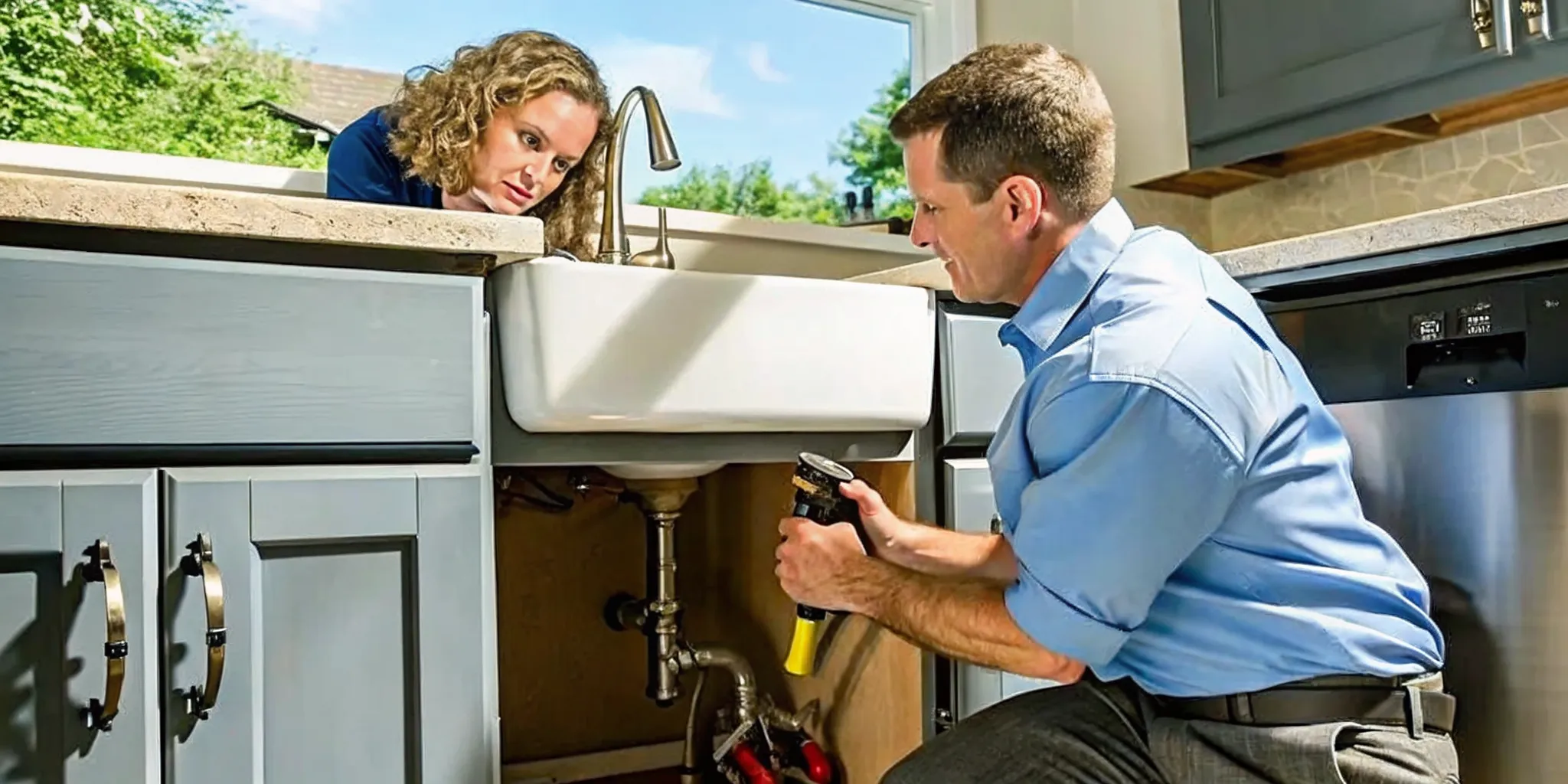
A quick response helps limit water damage during a plumbing crisis. You can take a few simple steps while you wait for your technician to arrive. These actions help the pros work faster once they get to your home.
Secure the area and clear access
The most vital step is to turn off the main water valve. This stops the flow of water and prevents more damage to your floors and walls. You should also clear the path to the repair site by moving rugs, boxes, or furniture. If you face a major leak, keep children and pets in a separate room for their safety.
You must also watch out for risks with power. The CDC warns that you should never use electric tools or appliances while standing in water. If water has reached your outlets, wait for a pro to tell you it is safe to enter the area. If you smell gas, leave the house and turn off the main gas valve at once.
Note symptoms and prior repairs
Our team at Whiskey Creek Plumbing can find issues fast, but your input is very helpful. Write down exactly when you first saw the problem and what symptoms occurred. Clear photos of the leak or the broken fixture can also help us plan the right immediate leak repair assistance.
Think back to any past work done on the same pipes or fixtures. Sharing this history helps us spot patterns and avoid repeat issues. When you contact our plumbing professionals, let us know if you have tried any DIY fixes like drain cleaners or hand tools. This info keeps our team safe and helps us pick the best tools for your emergency plumbing repair.
Frequently Asked Questions
What is considered an emergency plumbing issue?
An emergency plumbing issue is a problem that threatens safety or can cause major damage, such as burst pipes, sewage backups, or a total loss of water. Suspected gas leaks require the gas utility or emergency services. Water heater failures can also be urgent when there is active leaking, electrical danger, gas odor, soot, or loss of hot water.
How much does a plumber charge for an emergency call out?
Most experts charge a higher rate for visits outside of normal work hours. You can expect to pay between 1.5 and 3 times the usual hourly cost for an urgent visit. Based on data from Angi, the common hourly rate for an emergency call is about 170 dollars. Prices vary based on the time of day, where you live, and how hard the fix is.
What is the 135 rule in plumbing?
The 135 rule means drain pipes cannot make sharp 90 degree turns. Instead, turns must be made using two 45 degree parts which total 135 degrees. Sharp turns cause waste to settle and lead to slow drains or bad clogs. Using long sweeps helps water and waste flow through the pipes without buildup. This rule is a core part of building codes to keep drains working well for years.
How long does it take for an emergency plumber to arrive?
Response times vary by location, time of day, emergency conditions, and technician availability. Whiskey Creek Plumbing answers emergency calls 24/7; after-hours service and dispatch depend on availability and scheduling. No on-site arrival time is guaranteed.
Ready to schedule plumbing service for your home in Lee County?
Leaving a leaking pipe alone for even just a few hours can lead to very costly water damage in your wood and your drywall. If you take fast action right now, you can stop the flow and keep your home safe while our local pros head your way. Our team usually arrives in less than an hour to handle the hard work, so you can stop worrying and get back to your life. Taking this step helps you avoid risks like mold and rot that often grow when you let a wet spot sit for too long. We help you get your home back to normal today with our fair and fixed price work that is backed by our guarantee.
Ready to schedule plumbing service? Call (239) 785-9022 to schedule plumbing service. Our team is ready to help you now.